Briefly
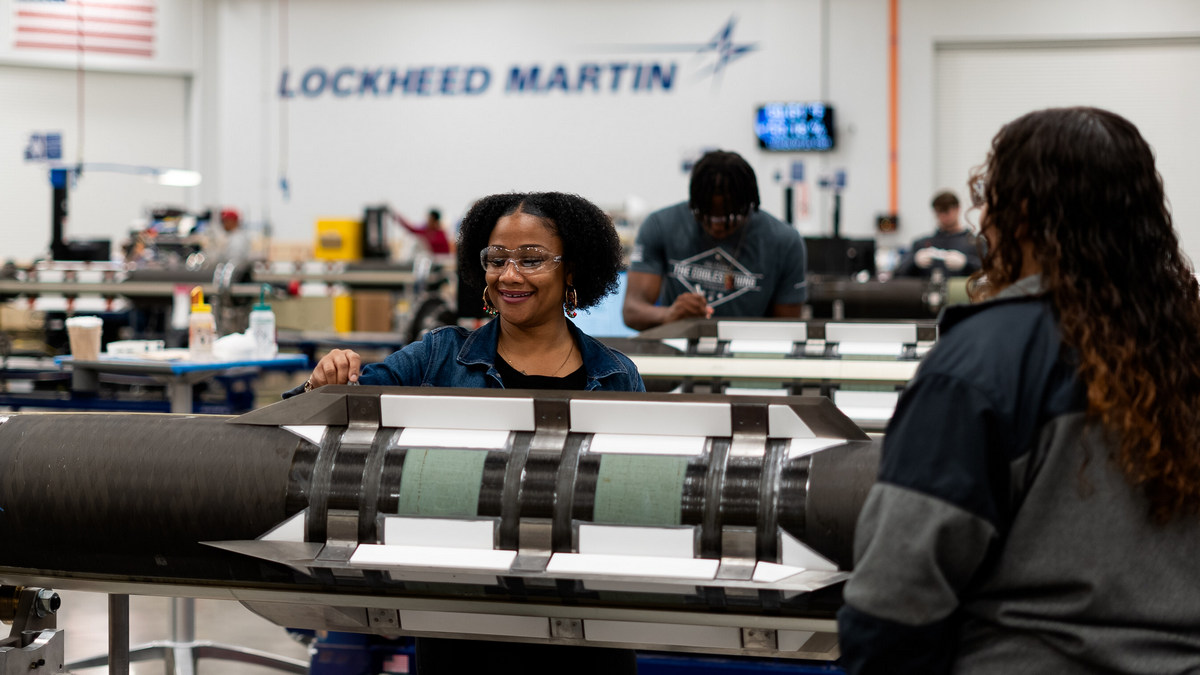
Lockheed Martin has signed a seven-year frame agreement with the U.S. Department of Defense that will allow it to increase production threefold of PAC-3 MSE interceptors — from about 620 units in 2025 to approximately 2,000 per year. The manufacturer says this is a direct result of rising demand following their combat use.
Contract details
The contract spans seven years and is intended to expand the production capacity of the U.S. supply chain. The goal is to meet the needs of the U.S. Armed Forces, allies and partner nations, and to support jobs in industry.
"After recent combat use in real conditions, global demand for PAC-3 MSE missiles is rapidly increasing. This agreement will allow production capacity to be increased by more than three times to meet the needs of the U.S. Armed Forces, allies and partner nations. As a result, the PAC-3 program will support the creation of thousands of additional jobs across the U.S. supply chain."
— Lockheed Martin, press release
Supply and geopolitical context
According to Reuters, Lockheed Martin already supplies PAC-3 to 16 countries, including Sweden, Qatar, Japan and Poland. Patriot systems are among those Ukraine has received from Western partners — so increased production potentially boosts reserves for allies.
What this means for Ukraine
Higher production creates a real opportunity to accelerate deliveries of munitions for Patriot systems that are already operating or could be integrated into Ukraine's air defense. This matters to the reader for two reasons: first, more interceptors means a greater chance to protect critical infrastructure; second, increased supply reduces the risk of delays due to component shortages.
Risks and limitations
However, this does not automatically mean an immediate strengthening of the front. Important factors include allocation priorities between the U.S. and allies, logistics, production lead times and operator training. In addition, the Financial Times reported in October 2025 assessments that Russia is working on modernizing ballistic missiles that could partly defeat the effectiveness of some elements of the Patriot system — underscoring the need for a multi-layered air defense system and integration of data from various sensors and systems.
Conclusion
Growth in PAC-3 MSE production is an important step that increases allies' defensive potential and offers a chance to support Ukraine. But the effect will depend on whether that production capacity is turned into rapid, coordinated deliveries, integration into Ukraine's air defenses and personnel training. In other words: additional missiles are a significant resource, but not the only condition for a resilient response to modern missile threats. Whether potential will be turned into results is a question for politicians, the military and partners.
Sources: Lockheed Martin (press release), Reuters, Financial Times.







