What happened
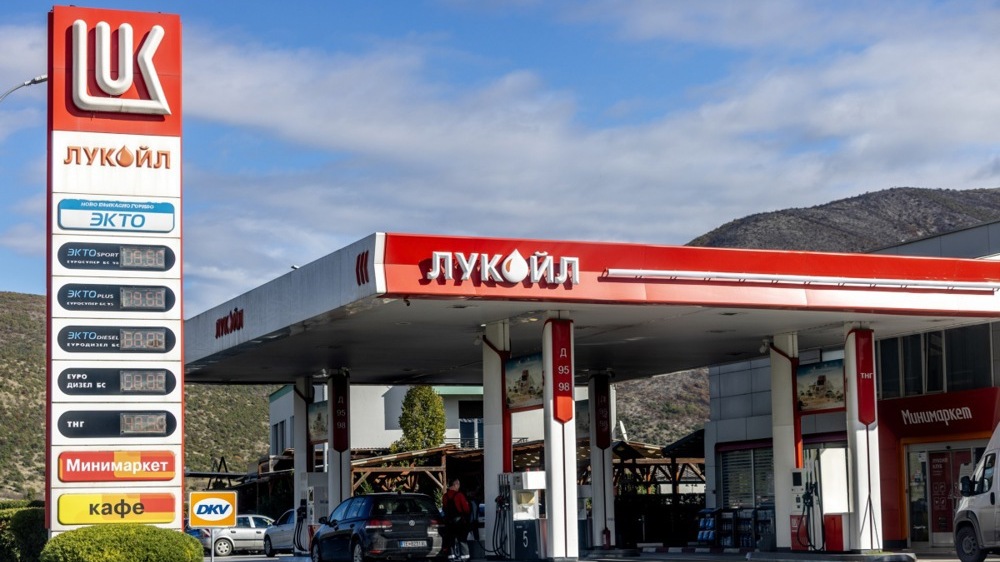
Russian energy company Lukoil said in its annual report that it has fully written off its investments in foreign assets after US sanctions were imposed. The company recorded an impairment of 1.67 trillion rubles ($19.8 billion) and a net loss of 1.06 trillion rubles ($12.6 billion), whereas it reported a profit the previous year.
"Lukoil has fully written off its foreign investments after the imposition of US sanctions"
— Bloomberg
Why it matters
This is not just an accounting adjustment. Sanctions cut the company off from managing and monetizing assets abroad — from stakes in European refineries to oil fields and retail fuel networks. In practical terms, this means that even if assets are formally sold, proceeds will likely end up in a special account and become available only after sanctions are lifted.
For Ukraine and its partners this process has a double significance: first, it limits the Kremlin's financial channels; second, it creates a chance that strategic assets will pass under the control of Western companies and investors — or at least end up in a situation where Russian control over them is impossible.
Who can buy and what the risks are
Potential bidders for the portfolio include American Chevron, Texas-based Quantum Capital Group, the Carlyle fund and Saudi investor Midad Energy. At the same time, Bloomberg's report emphasizes that in the event of a sale, proceeds are likely to be credited to an account with restricted access to funds until sanctions are lifted, which reduces the attractiveness of the deal for some buyers.
The company must complete the sale by April 1, which creates time pressure and may affect asset prices. Market analysts note that buyers will be weighing not only the business logic but also regulatory and reputational risks.
Consequences for Ukraine
First, weakening Lukoil's ability to generate income abroad limits the financial cushion the Kremlin can use to sustain the war. Second, a possible redistribution of assets in Europe and the US reduces the long-term strategic presence of Russian business in key segments of the energy sector.
It is also a test for sanctions policy: if assets move to Western players or remain frozen, it will send a stronger signal to other Russian corporations about the risks of global expansion amid prolonged aggression.
Conclusion
The write-down of $19.8 billion is more than an accounting year-end figure. It is a tool of pressure that marks real limits to the Kremlin's economic mobility. It is now important to watch who will buy the assets and on what terms — that will determine how effectively Western markets can strip Russia of levers of influence for the long term.
"This decision has been overdue: sanctions not only strike at reputation, but also take away the regime's ability to use foreign assets as a source of financing"
— energy market expert (comprehensive assessment based on Bloomberg and market analysts)







