What was adopted
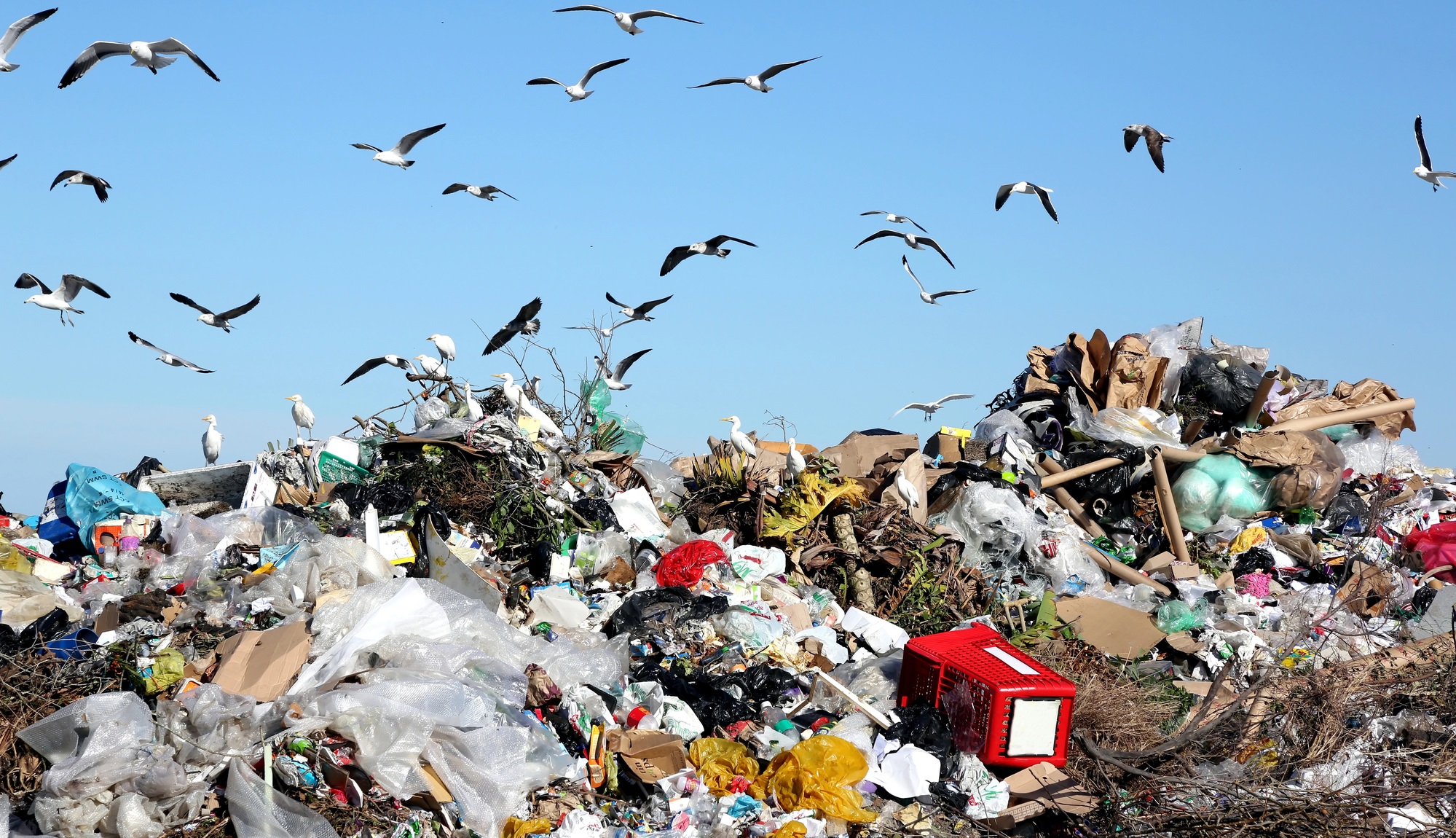
The Cabinet of Ministers approved a draft resolution that changes approaches to household waste management. Among the key innovations are the introduction of a container-free collection system, the option of collection on the consumer's request, requirements for bag labeling, and clearer mechanisms for informing citizens. The document also regulates handling of green waste and the procedure for collecting hazardous components contained in household waste.
What this means for citizens
First, a right to a recalculation of the fee appears in case of temporary absence for more than 30 days — provided a request is submitted to the service provider. This is a consumer protection mechanism that until now was often only declarative. Second, harmonizing approaches to consumption norms and accounting of actual volumes should reduce disputes between residents and operators and increase bill transparency.
"The draft establishes modern collection mechanisms and protection of consumers' rights, taking into account different service delivery models — from container-free collection to on-request systems."
— Ministry for Communities and Territories Development
Economy, ecology and energy
The rule updates are not only about convenience: they create prerequisites for better sorting and accounting of waste, which is important for the transition to a circular economy. Against the backdrop of projects such as the Posco International initiative to build a CHP plant in Odesa fueled by household waste, this gives local communities the opportunity to obtain energy and additional revenue sources with adequate infrastructure.
"This is a chance for communities to finally align service fees with actual volumes and to interest local businesses in recycling and energy recovery from waste."
— Waste Management Expert
Advantages and risks of implementation
Advantages — greater transparency, protection of consumer rights, the possibility of integration with projects for energy recovery from waste. Main risks — uneven readiness of communities, weak material and technical base in some OTGs (amalgamated territorial communities), and the risk of formal implementation without proper oversight.
What’s next
Now the initiative needs two things for real effect: prompt adoption of the resolution and practical preparation of local authorities and operators. If communities use the new tools, this will strengthen local responsibility for service quality and create preconditions for economic projects based on waste.
In short: the rule — simpler, more transparent, more EU-integrated. The next step is up to local authorities and operators: will they turn the changes into real benefits for people and the environment?







