What happened
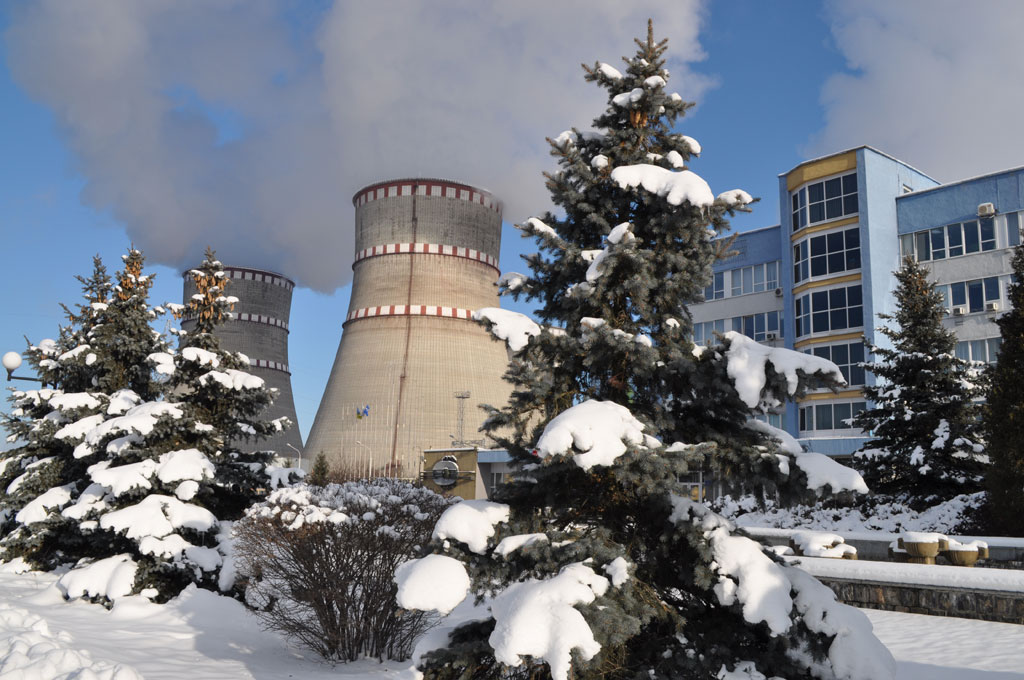
After a massive Russian strike on February 7, some of Ukraine's nuclear power units have been operating at reduced capacity for the third day in a row. This was reported by the transmission system operator — Ukrenergo. Due to damage to key network elements, one power unit completely disconnected, while others are operating in limited modes.
"Restoration of equipment is underway around the clock after two consecutive massive attacks on the power system. Thanks to the persistent work of energy crews, it was possible to move from emergency to planned hourly outage schedules in most regions. Due to damage to key high‑voltage substations, some nuclear power units are still not operating at full capacity"
— Ukrenergo, transmission system operator
"The targets of the strike were substations on which the operation of nuclear power plants depends"
— Volodymyr Zelenskyy, President of Ukraine
Details of the attack
According to operational reports, the enemy used a combination of cruise missiles, hypersonic missiles and hundreds of strike UAVs. Among those recorded: 2 Zircon missiles, 21 Kh‑101 cruise missiles, 16 Kalibr missiles and 408 attack UAVs of the Shahed, "Gerbera" and "Italmas" types. The main directions of the strike were Lviv, Ivano‑Frankivsk, Rivne and Vinnytsia regions.
- There were 13 missile impacts and 21 strike UAV impacts across 19 locations.
- Substations and 750 kV and 330 kV overhead lines — key for transmitting generation, including from NPPs — were damaged.
- The enemy also struck generation at thermal power plants (Burshtyn, Dobrotvir TPPs).
Consequences for the power system and citizens
By striking high‑voltage substations and lines, the adversary sought not only to reduce overall generation, but also to complicate the transmission of power from NPPs and TPPs to consumers. Ukrenergo was able to shift most regions from emergency to planned hourly outage schedules, but the need for energy savings remains around the clock.
This means short‑term power restrictions in certain regions may recur until key substations and lines are restored. At the same time, the work of energy crews and the shift to planned schedules minimize the risk of chaotic blackouts.
What’s next
Restoration is technically complex and resource‑intensive: repairing transformers, supports and high‑voltage lines requires time and materials. Experts emphasize that alongside rebuilding infrastructure, preventive measures are important — diversifying power sources, strengthening substation protection, and international assistance in the form of spare parts and equipment.
While energy crews work on restoration, the resilience of the system depends on everyone: conscious electricity consumption and readiness for hourly schedules make it possible to withstand peak loads and speed up the return to normal grid operation. Whether there will be enough resources and time to fully return NPPs to full generation before the next challenges is the key question in the coming days.







