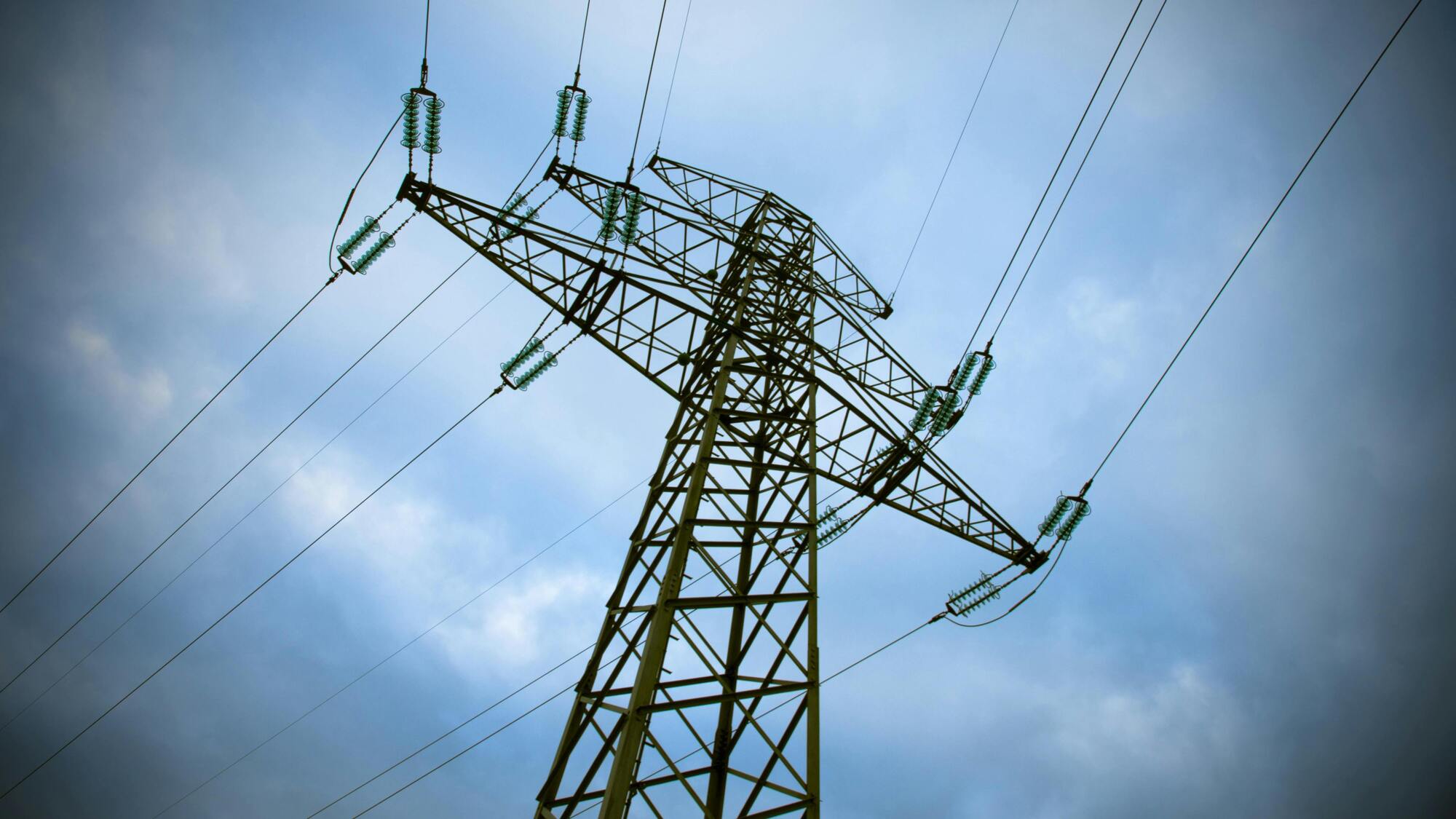
During the night and morning of December 27, Russia delivered one of the heaviest strikes on Kyiv's energy system since the full-scale invasion began. Five key power generation facilities came under attack — Kyiv Hydroelectric Power Station, Heat and Power Plants 5 and 6, Darnytskyy and Trypilska TPPs — which supply the lion's share of electricity production for the capital and the region.
What and how they attacked
According to the Air Force, Russia used 731 air attack weapons: 3 Kh-47 Kinzhal aeroballistic missiles, 18 Iskander-M/S-400 ballistic missiles, 35 Kh-101 cruise missiles, and 675 strike drones — Shaheds, Gerbera, Italmas, as well as loitering munitions Banderol and Parody decoy drones. Launches were carried out from Lipetsk, Bryansk, Kursk, and Vologda regions of the Russian Federation, as well as from occupied Crimea. Air defense shot down 693 targets — 41 missiles and 652 drones. 15 missiles and at least 23 strike drones hit 24 locations.
DTEK's press service reported damage to a transformer substation, high-voltage line, production site, special equipment, and 29 company vehicles. According to Ukrenergo, substations were attacked throughout the chain — both the national grid NEC Ukrenergo, regional energy companies, and DTEK distribution facilities.
"Russia today attacked substations of both Ukrenergo, regional energy companies, and city networks. Stabilization will take 2–3 days"
Serhiy Nahornyak, Ministry of Energy
Scale of blackouts
As of the evening of December 27, approximately 500,000 families in Kyiv remained without electricity. In Kyiv region, an additional 320,000 consumers were de-energized, according to Kyiv Regional Military Administration head Mykola Kalashnik. Hourly shutdown schedules have been cancelled — emergency shutdowns are in effect without a schedule. 2,600 residential buildings, 187 kindergartens, 138 schools, and 22 social institutions were left without heating. Hospitals and water supply systems were switched to backup power.
Ukrenergo confirmed power cuts affecting consumers in 11 regions and Kyiv. The Kyiv and Chernihiv regions were hit hardest.
Casualties and destruction
In Kyiv region, a woman was killed in Bilotserkva district, with casualties reported in six districts of the region. Children were among the injured. The attack caused large-scale fires and damaged residential buildings, enterprises, and critical infrastructure facilities.
Tactical context
A strike on five generation facilities simultaneously — rather than only on distribution networks — distinguishes this attack from most previous ones in 2025. As Reuters noted, throughout this year Russia had been increasingly switching to drone strikes on small substations. On December 27, a combination of cruise missiles and a massive drone swarm was aimed at generation sources, which complicates recovery: replacing a substation is faster than repairing a turbine or hydroelectric unit.
The Ministry of Energy expects system stabilization to take 2–3 days — provided there are no repeat attacks.
If the next attacks are again directed at generation rather than networks, Kyiv will enter January facing a power shortage that cannot be covered by EU imports even at maximum transmission capacity.







