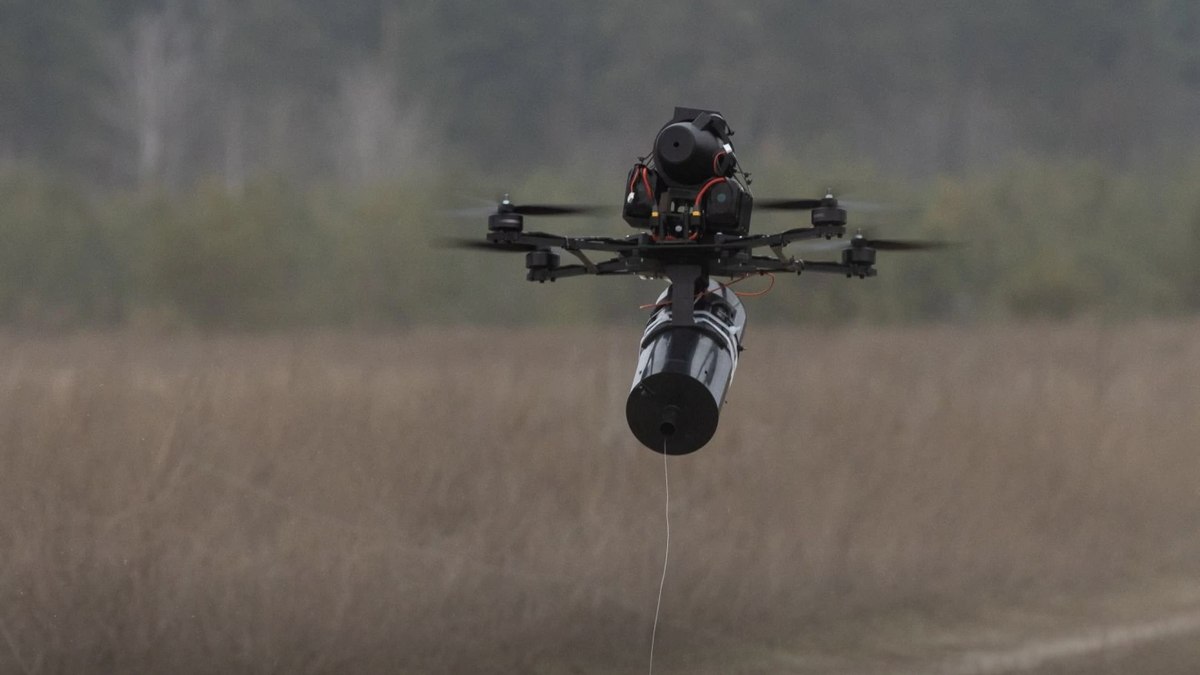
Systematic work instead of a "zoo": what the order changed
Defense Minister Mykhailo Fedorov signed an order that shifts centralized UAV procurements to a model driven by combat data. Instead of lists organized by names or suppliers, the General Staff will now generate requirements based on technical specifications — without naming a specific manufacturer. This should remove from circulation equipment that fighters are forced to "finish" or adapt in the trenches.
"The state will purchase only what actually flies, strikes targets and has proven its effectiveness at the front."
— Mykhailo Fedorov, Minister of Defense
How the rating will work
Needs will be generated automatically on the basis of data from digital systems: єБали (statistics of real effectiveness), DOT-Chain, Brave1 Market (indicator of real demand), DELTA and Mission Control (battle application analytics). The system will not create a requirement for something that is not confirmed by flight or by an effect on targets — "if a drone does not fly or does not strike targets, the system simply will not generate a need for it," Fedorov explained.
"If a drone does not fly or does not strike targets – the system simply will not generate a need for it."
— Mykhailo Fedorov, Minister of Defense
Budget and innovation: balancing risk and need
The new model also embeds financial discipline: 80% of the procurement budget will go to systems proven in combat, and 20% to innovation and testing new developments under combat conditions. That ratio is intended to reduce costly experiments at the front while preserving space for technological renewal.
The effect of the new model is not only a reduction in "manual finishing" at the front, but also increased transparency in the process and lower corruption risks: needs are formed on the basis of evidence-based indicators, not personal preferences or supply networks.
Context and challenges
This approach coincides with the ambitions of the defense industry: in January, Deputy Defense Minister Serhii Boiev spoke about plans to mass-produce hundreds of thousands — even millions — of UAVs in the coming years. The rating will make it possible to direct production volumes toward what the front actually needs, rather than a wide assortment of doubtful combat value.
At the same time, it is important to remember that changing procurement instruments is only part of the issue. Supporting supply chains, repair infrastructure, personnel training and integration of systems into combat procedures remain key to the rapid deployment of effective solutions.
Conclusion
The UAV rating is a pragmatic step toward more rational procurement: a focus on evidence should speed the arrival of effective systems at the front and cut the time and resources spent on field modifications. But whether the new model can quickly turn data into steady supplies and unit training is a question for management and industry. The ball is now in the court of those who must turn declarations into contracts and logistics that run without hiccups.







