Industrial and port infrastructure back in the crosshairs
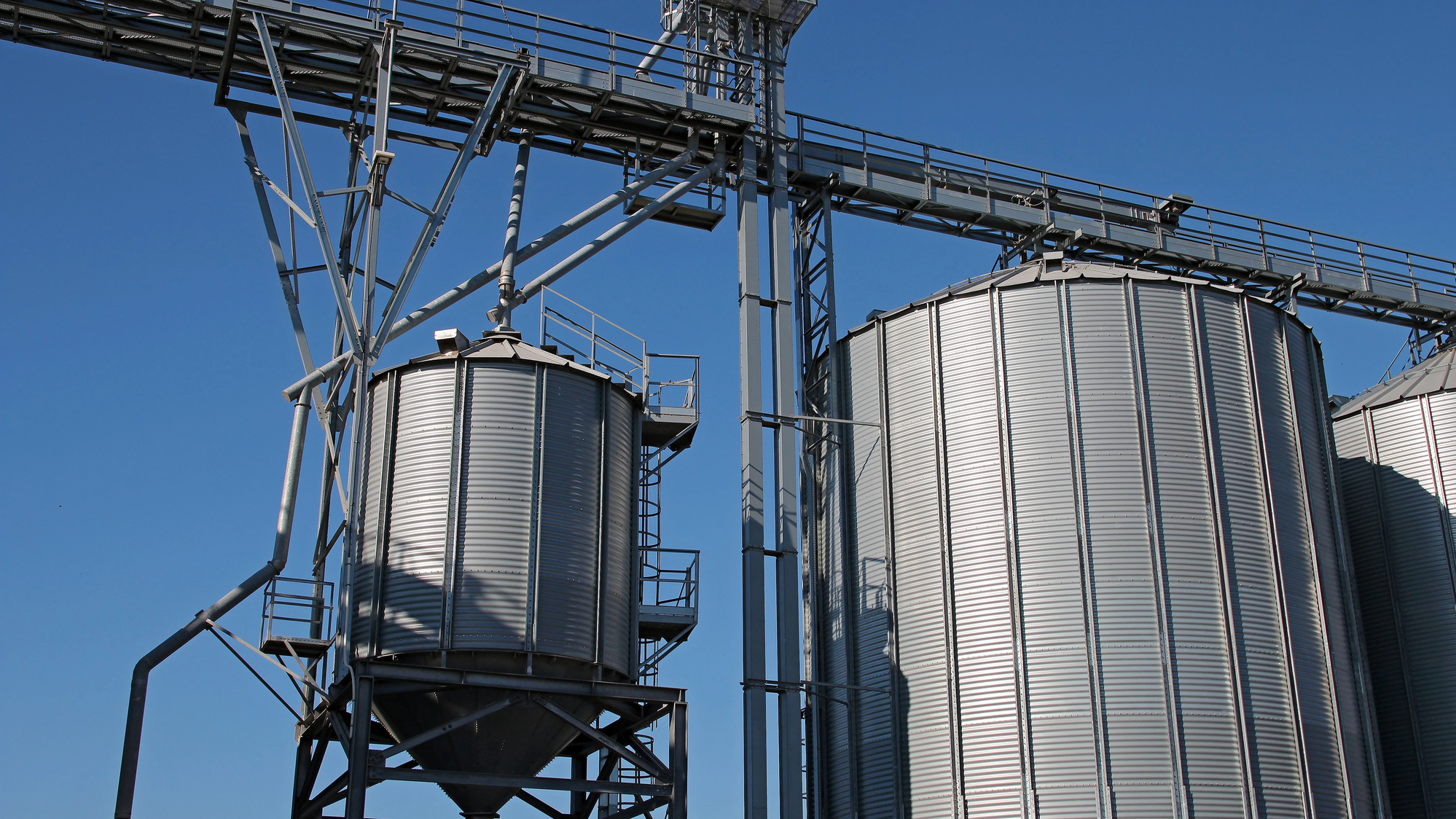
Over the past day, Russian strikes affected industrial and port facilities in the Odesa region. Head of the Odesa Regional Military Administration Oleg Kiper reported that equipment for transporting grain was damaged on the grounds of a grain elevator, but there were no deaths or injuries. A drone also fell on an oil-production enterprise — "without negative consequences," according to the OVA.
"Despite our air defense forces destroying most enemy targets, as a result of the strikes equipment for transporting grain on the elevator's premises was damaged"
— Oleg Kiper, head of the Odesa Regional Military Administration
Consequences for exports and regional logistics
Damage to elevator equipment is not just a local accident. It is a blow to the chain linking the agricultural producer, the port and the external market. Even small interruptions in grain transport create queues for intake, increase storage costs and raise logistics expenses for exporters.
Ukrainian ports and berths have already endured a series of attacks: on the night of December 22, in one of the ports north of Odesa, 30 storage tanks containing flour and oil caught fire, and on the night of December 26 there were arson incidents and power outages in parts of Izmail. Oil slicks and dead birds have been found along the coasts — adding an environmental dimension to the economic risks.
Why this is happening and what to do
The aim of such attacks is to create systemic obstacles to exports, undermine state revenues and force spending on infrastructure restoration. However, it is important to note: Ukrainian air defenses shot down most enemy targets, which reduces human losses and the scale of destruction, but does not eliminate risks to supply chains.
Analysts point to three priority steps: 1) rapid repair and replacement of critical equipment; 2) diversification of export routes (alternative ports, rail corridors); 3) international assistance in the form of machinery, spare parts and insurance mechanisms that will soften the financial blow for farmers.
In short: damage to the grain elevator is not a catastrophe by itself, but a signal that logistical hubs remain vulnerable. While the air defense system lowers human risk, only quick repairs and external support protect the economy and the environment.
Now it's up to partners: will there be enough resources and pace of recovery to avoid losses in the next export cycle?







