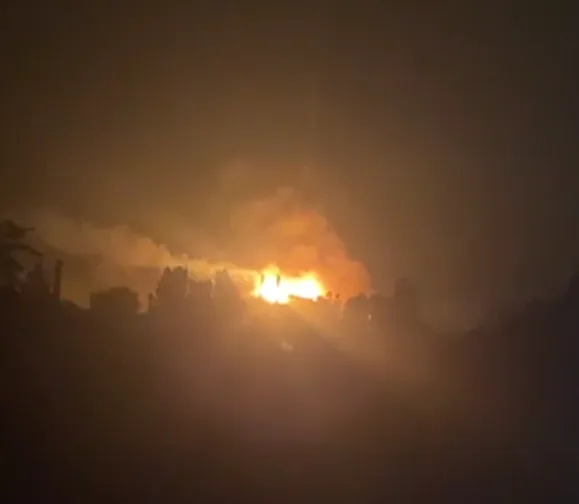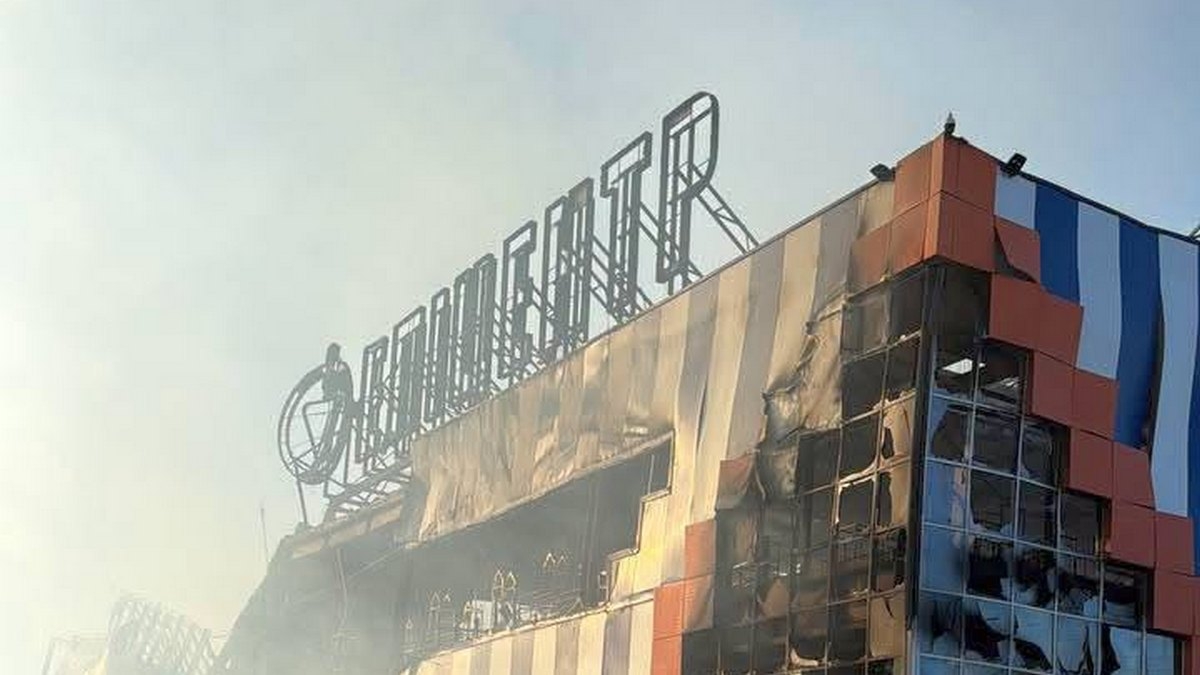
On Friday, September 4, and during the night of September 5, Russian drones destroyed a hypermarket of the "Epicenter" chain in Mykolaiv. However, it was not a single strike – the attack lasted almost a day, and this is precisely the main difference from typical shelling of civilian targets.
Why six hits on one building is not a mistake
According to rescuers, work at the scene took place under extremely difficult conditions: due to the constant threat of repeated attacks, emergency services personnel had to be continuously moved to a safe distance. As soon as the situation allowed, firefighters returned to dealing with the consequences of the strike – and received a new hit.
This is not chaotic bombing logic, but a tactic of repeated strikes on a single target that the Russian army systematically employs to maximize destruction and complicate the work of rescue services. As a result of this cyclical destruction, the shopping halls of the building suffered extensive damage, and a large-scale fire broke out.
"This was again an object of civilian infrastructure. A place where ordinary people came just yesterday," emphasized the State Emergency Service.
Two people were injured – a 72-year-old man and a 17-year-old girl.
520 people and repeated job loss
Epicenter's communications director Yulia Chudnovets said that 520 people worked in the destroyed shopping center. Part of the workforce had been transferred there earlier from war-destroyed facilities in Kherson, Zaporizhzhia, and Odesa – meaning for these employees this was not the first hypermarket they lost due to military operations.
For the retailer, this means not only material losses, the amount of which has not yet been reported, but also a logistical problem: where to transfer personnel who have already experienced similar relocation one or two times before.
- During the night of September 5, Russian forces also struck a metallurgical plant in the city of Kamyanske in Dnipropetrovsk region, killing four people.
If the tactic of repeated strikes on a single target becomes established as a standard, the next challenge for the emergency services will be not so much extinguishing fires as the physical safety of the rescuers themselves during their work.