On Saturday, September 5, Steve Witkoff and Jared Kushner arrive in Moscow with a document that Donald Trump called a "proposal to end the war." On Sunday, they travel to Kyiv. Formally, this looks like a diplomatic breakthrough after months of stagnation. In reality, it is the delivery of a piece of paper that so far bears no signature and no execution date.
A Visit Is Not a Deal
The distinction here is key. The arrival of special envoys with the text of a proposal is a procedural action. A deal is a document with obligations of the parties, a control mechanism, and consequences for violation. Between these two things lies a negotiation process which, according to Bloomberg sources close to the Kremlin, does not promise quick results: Witkoff and Kushner's previous trips to Russia did not lead to progress, and there is no reason to believe that they will bring acceptable proposals now.
The Kremlin itself publicly maintains distance from commitments. Putin's spokesman Dmitry Peskov refused even to confirm the very fact of the visit, telling journalists only the day before that "when these contacts take place, we will inform you." This is not the behavior of a side preparing to sign something.
The Kremlin's Position Has Not Changed
According to the publication, Kremlin chief Vladimir Putin is willing to stop the war only on his terms, and Russia's demands are becoming harsher because it believes it has military advantage. This is the point where the declaration of "ending the war" diverges from a commitment: Putin has shown no signs of willingness to back down from the demand to transfer the rest of Donetsk region, which Kyiv consistently rejects.
That is, the mechanism for implementing the proposal runs up against a condition that one of the conflict parties has publicly and repeatedly acknowledged as unacceptable. Without a change in this position, any "ending of the war" remains a formulation in a press release, not a plan of action.
A One-Sided Gesture Without a Reciprocal Response
Zelenskyy on Friday evening confirmed that the special envoys will visit Kyiv on Sunday, and said that Ukraine's goal is to make the visit "as constructive and substantive as possible." But here another gap appears between declaration and commitment: Ukraine announced that it will not carry out air strikes during the period of the visit, and expects reciprocity from Russia. This is a request, not an agreement — there is no mechanism that would force Moscow to respond symmetrically.
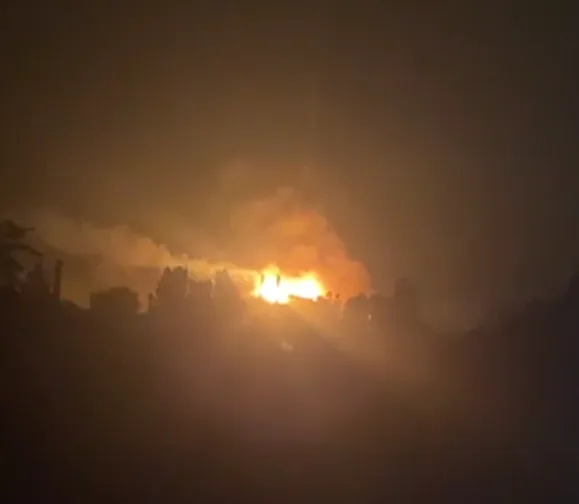
Russia responded with action: on the night of September 5, it continued strikes on Ukraine, including ballistic and drone strikes. A formal proposal for peace coexists with actual strikes on the same day — this is the most accurate measure of what a declaration without an enforcement mechanism is worth.
What Exactly Are the Negotiators Bringing
Bloomberg notes that it is unclear whether U.S. officials are proposing any new ideas capable of breaking the stalemate that has existed since February, when Trump's attention shifted to the conflict with Iran. Witkoff and Kushner's last visit to Moscow occurred in January — at that time there was talk of a 20-point plan, which also did not lead to a binding agreement.
The White House, representatives of Kushner and Witkoff, and the Kremlin's press service did not immediately respond to requests for comment — another sign that the details of the proposal simply do not exist in the public space yet, only its name.
What This Means for the Coming Days
If after meetings in Moscow and Kyiv the sides do not publicize specific conditions — timelines, demarcation lines, verification mechanism — this will confirm that it was another round of consultations, not a deal. If, however, the Kremlin softens its public rhetoric regarding Donetsk after the visit, this will be the first real signal that the declaration is moving toward a commitment. For now, the balance of evidence — night-time strikes against the backdrop of a peace proposal — suggests the former.