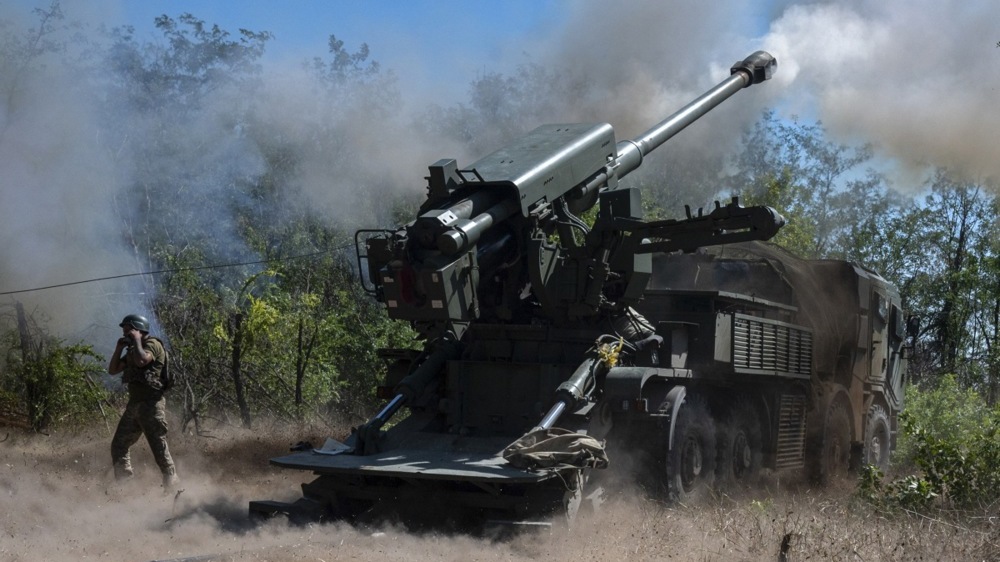
The Defense Procurement Agency of the Ministry of Defense of Ukraine has completed the largest tender in its history for long-range 155mm artillery ammunition. The figures announced by Defense Minister Mykhailo Fedorov deserve attention not only for their scale, but also for the mechanism behind them.
Competition as a buyer's weapon
Six manufacturers became the winners of the tender. This is no coincidence — the agency deliberately structured the procedure so that suppliers would compete against each other.
"Competition and transparent conditions made it possible to save 16% from the initial amount — this is billions of hryvnias. As a result, we managed to additionally contract tens of thousands more rounds."
Mykhailo Fedorov, Minister of Defense of Ukraine
In other words, the army will receive more ammunition for the same money — not through additional funding, but because suppliers reduced prices in a competitive environment. The very fact that six manufacturers simultaneously competed for the contract already suggests: the 155mm market in Ukraine exists — and it is alive.
Where these manufacturers come from
The names of the winners are not publicly disclosed — standard practice for defense procurement during wartime. However, context is important: since 2024, several Ukrainian state enterprises have launched or are preparing their own production of 155mm ammunition, which previously did not exist in Ukraine at all. In parallel, Ukraine is attracting foreign manufacturers through direct contracts. The six winners are likely a mixed pool: domestic and foreign suppliers.
Why 155mm is a special caliber
NATO standard 155mm rounds became the central ammunition of artillery warfare in Ukraine after the transition to Western weapons. Their shortage has been a chronic problem since 2022: the EU consistently overestimated its own production capacity and broke promised supply volumes. This is why internal procurement through a competitive tender is not just a logistical solution, but an attempt to reduce dependence on external obligations that are regularly broken.
- 155mm — NATO standard, compatible with M777, Caesar, PzH 2000, Krab howitzers
- One of the greatest demands from the front, according to Fedorov
- Production of this caliber is technologically complex; Ukraine did not have it before 2024
- Saving 16% means that with the saved funds, additional tens of thousands of rounds were purchased
What remains unanswered
Fedorov announced the signing of contracts — but delivery timelines, shipment schedules, and quality control mechanisms have not been publicly disclosed. Previously, when the procedure was still ongoing, the Defense Procurement Agency initiated an official investigation due to possible attempts to influence the tender by individual participants — which in itself indicates that competition was real, not formal.
The key question now is not in signed papers, but in logistics: if at least some of the six manufacturers are domestic, will they have enough production capacity to fulfill a record contract on time while the front needs ammunition right now?







