What happened
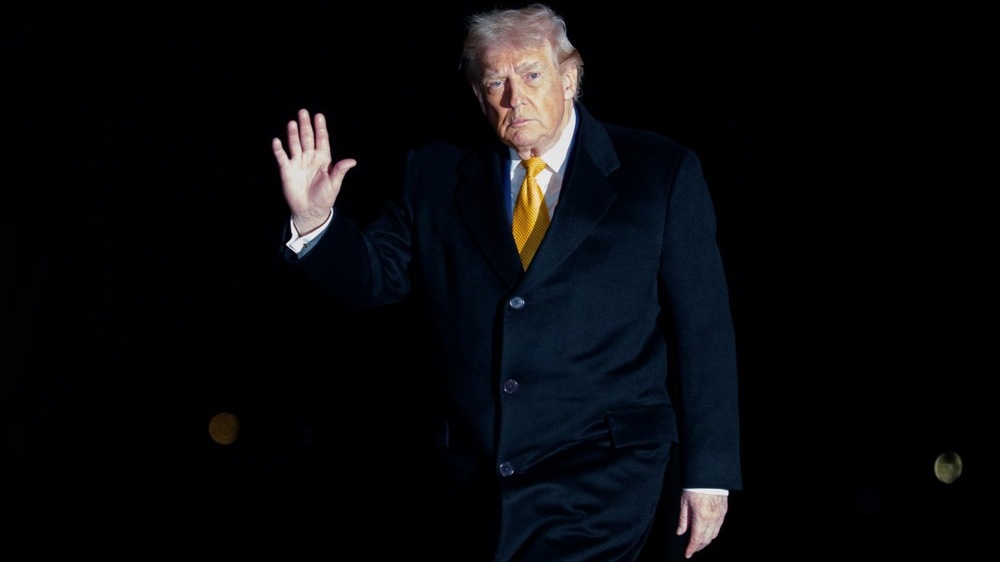
U.S. President Donald Trump said that Washington could impose new tariff restrictions on India if it does not cut purchases of Russian oil. The agency Reuters published his remarks, and the markets reacted quickly: on January 5 the Indian information-technology stock index fell by about 2.5%, to its lowest level in more than a month.
"[Prime Minister of India Narendra] Modi is a good guy. He knew I was unhappy, and it was important for him to make me happy. They trade, and we can very quickly raise tariffs on them"
— Donald Trump, U.S. President
Market picture and context
The market reaction does not come out of nowhere: trade tensions between the U.S. and India have already had practical consequences. On August 27 the U.S. previously imposed a 50% tariff on Indian goods over India's purchases of Russian oil. In addition, U.S. sanctions against Lukoil and Rosneft, which took effect on November 21, lowered the price of the Urals grade for India while at the same time raising freight rates for supertankers on key routes.
As a result, imports of Russian oil into India in December fell to around 1.2 million barrels per day compared with 1.84 million barrels per day in November — a factor that changes logistics and price dynamics in the market.
Why this matters for Ukraine
First, any additional tool to pressure buyers of Russian oil weakens the Kremlin's financial sources — this is a direct interest of Ukraine. Second, such statements increase market volatility: rising freight rates and price spreads can complicate energy logistics for countries supporting sanction pressure.
Finally, it is a signal that trade in energy resources remains a geopolitical tool. For Ukraine it is important that partners coordinate such steps and minimize risks to civilian energy supplies and global supply chains.
Expected consequences
If the tariff threat turns into concrete steps, it could delay or complicate negotiations over a broad trade package between the U.S. and India, force investors to reassess position risks in India's technology sector, and strengthen regional energy flows in other directions. Economic analysts and markets are already factoring some of these scenarios into short-term assessments.
Conclusion
Trump's assertion is not just diplomatic rhetoric: behind it are real instruments of influence that markets have already felt. For Ukraine this means a new wave of international politics around energy, where success depends on coordination of sanctions and on how willing partners are to pay the political price for reducing the Kremlin's revenues. Whether words will turn into actions is a question for the coming weeks.







