Brief — why it’s worth paying attention
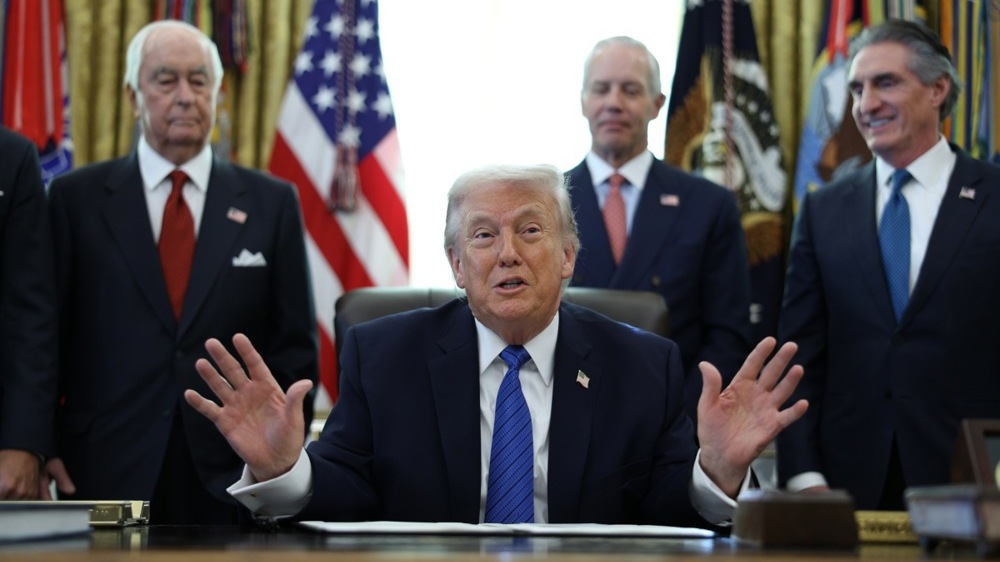
U.S. President Donald Trump signed an executive order canceling the additional 25% tariff on goods from India, introduced in August 2025 in response to Indian companies’ purchases of Russian oil. The White House’s decision cites a number of India’s political steps — from energy commitments to a 10-year framework agreement on defense cooperation. This is an important diplomatic reshuffle that will also have economic and geopolitical consequences.
What the White House announced
"India has committed to stop direct and indirect imports of oil from the Russian Federation, has declared its intention to buy U.S. energy products, and has recently agreed to a framework agreement with the United States to expand defense cooperation for the next 10 years."
— Donald Trump, President of the United States (executive order)
According to the White House press office, the order will take effect on Saturday, February 7. In addition to canceling the additional 25% tariff, the U.S. and India agreed to lower the so‑called "reciprocal" tariff — bringing the effective tariff rate to 18%.
Political context and motivation
This decision is an example of how trade tools are used to quickly achieve foreign policy goals: on one hand, the U.S. demonstrates a willingness to reward instrumental progress by a partner; on the other, it seeks to redirect energy flows toward its economic interests by incentivizing the purchase of American fuel. For India, the package of incentives includes not only economic benefit but also deeper defense cooperation.
Practical constraints: transitional contracts and Russian discounts
Official and media sources (Reuters, NDTV, Bloomberg) emphasize market realities: Indian refiners already have contracted cargoes for shipment in February and delivery in March — a sign that an immediate halt to supplies is unlikely. Moscow has also increased discounts on its oil for India, testing New Delhi’s readiness to strictly adhere to the agreement with the U.S.
What this means for Ukraine
A reduction in the number of buyers of Russian oil is a positive step for sanctions pressure on the Kremlin, since revenues from energy exports fund Russia’s military and political expenditures. At the same time, the effect will be delayed: there are contractual obligations, price competition (Russian discounts), and the possibility of rerouting supplies through other markets. In other words, this is an important geopolitical advantage, but not an immediate breakthrough.
Summary — why this matters and what to watch
Trump’s decision is an example of pragmatic diplomacy: tariff policy has become an instrument of high politics. For Ukraine the key question is whether these agreements will translate into a real reduction of cash flows to Moscow, rather than mere declarations. The coming weeks will show how quickly India can fulfill its commitments and how Russia will respond with its pricing policy.
Sources: White House press office, Reuters, Bloomberg, NDTV.







