What happened
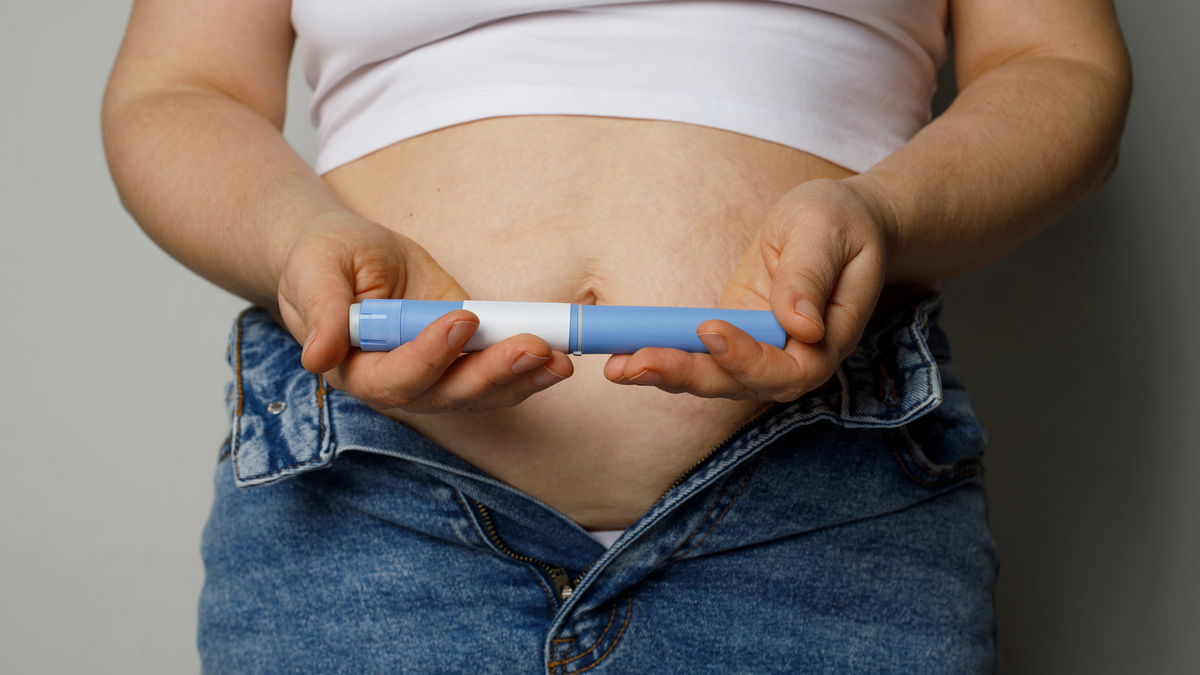
On March 20 the patent protection for the active ingredient semaglutide expires — and at least 12 Indian companies have already announced plans to produce their own versions of the drug, Bloomberg reports. This is the first major market where affordable generics could appear in significant volumes.
Price and competition
Natco Pharma published a notice of plans to sell semaglutide injections at a price starting from $14 per month. Other manufacturers are targeting price points in the range of $32–55 per month. For comparison, a single-use Wegovy injection pen in India currently costs about $113 (equivalent), and in the U.S. — roughly $199.
"We will begin selling semaglutide injections at prices starting from $14 per month"
— Natco Pharma, official statement
The list of manufacturers includes Sun Pharmaceutical Industries, Dr. Reddy’s Laboratories, Lupin and dozens of smaller players. An estimate by analysts at Pharmarack points to competition from around four dozen companies — enough to expect significant downward pressure on price.
Why it matters
First, affordable generics can make drugs for weight control and related conditions more accessible to broader segments of the population. Second, India often acts as a catalyst: when cheap copies appear here, they create commodity flows, price pressure and an example for regulators in other countries.
The patent on semaglutide also expires in a number of major markets in 2026 (Canada, China, Brazil, Turkey), covering about 40% of the world’s population and roughly 33% of adults with obesity. Not coincidentally, analysts note that India could become the first mass supplier, since in Canada the patent has already lapsed but regulators have not yet approved any generics.
What this means for Ukraine
The direct effect on the Ukrainian market will depend on regulatory decisions, logistics and procurement policy. But the general logic is simple: a large price drop in India creates pressure on suppliers in Europe and gives governments and purchasers leverage to reduce costs. For Ukraine this is not only a question of "comfortable" access to medicines: cheaper drugs mean less pressure on healthcare budgets and more resources for treating comorbidities that are exacerbated by obesity.
Conclusion
Indian generics of semaglutide are an example of how the pharmaceutical market is changing: from patent protection to mass production and sharp price declines. The ball is now in the regulators’, suppliers’ and public procurement systems’ courts: whether the announced prices will translate into real affordability in different countries remains an open question. For Ukraine it is an opportunity to take advantage of global shifts, if the state and the market are ready to act quickly and transparently.







