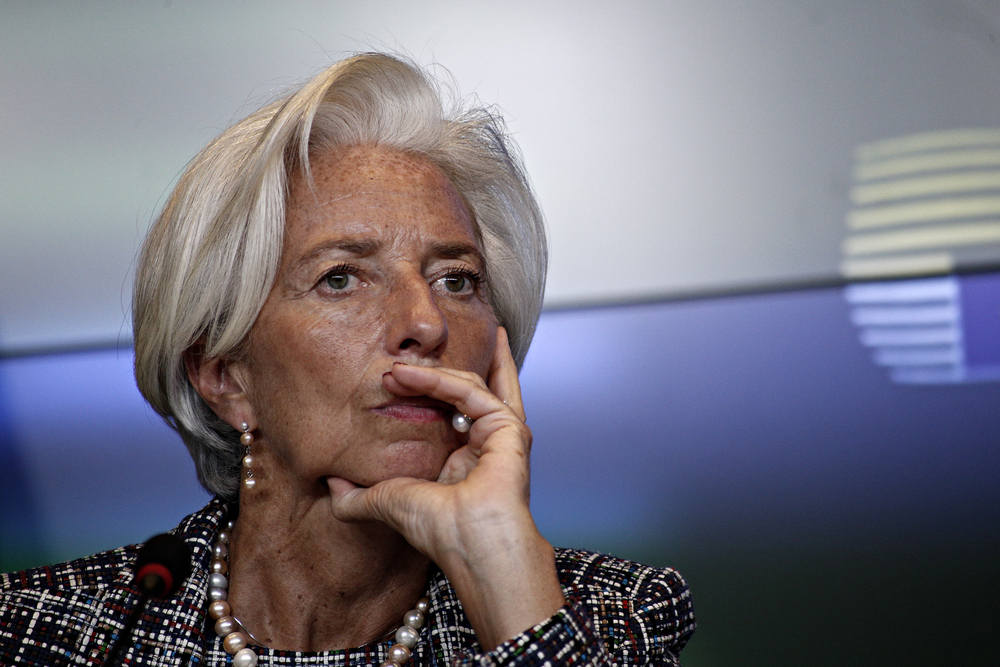
Lagarde and the "baseline scenario"
Christine Lagarde said she plans to work until the end of her term in October 2027, reports The Wall Street Journal. This stance corresponds to her previous assurances and contradicts a Financial Times piece that suggested a possible early resignation.
"Looking back over all these years, I believe we have achieved a great deal and that I have achieved a great deal. We need to consolidate these results and make sure they are truly strong and reliable. So my baseline scenario is to work until the end of my mandate."
— Christine Lagarde, President of the ECB (interview WSJ)
Political context
Rumors about a possible resignation intensified against the backdrop of the French presidential race: an unexpected move by the head of the Bank of France in February 2026 created assumptions about a broader rotation in European institutions, which could give Paris an operational advantage in appointing a successor.
Formally, the President of the ECB is chosen by the 27 leaders of the EU, but large countries—such as France and Germany—have traditionally carried weight in informal arrangements. Lagarde's appointment in 2019 also took place in that context.
What this means for Ukraine
Stable leadership at the ECB is not only a European domestic matter. For Ukraine, a predictable EU monetary policy means less market volatility, more stable borrowing conditions and more predictable decisions on sanctions and financial cooperation. At a time when every guarantee for investment and assistance matters, such signals have practical significance.
"I believe that the ECB is a very respected and authoritative institution, and I hope that I have contributed to that."
— Christine Lagarde, President of the ECB (WSJ)
Broader background
At the same time in the United States, President Donald Trump nominated Kevin Warsh to head the Federal Reserve System, adding another dimension of uncertainty to global monetary governance. Analysts note that synchronous changes in the leadership of major central banks increase the role of leaders' personal characteristics and political agreements in shaping policy.
Briefly — implications
If Lagarde serves out her mandate: a higher probability of greater predictability in monetary decisions and fewer political risks for markets. If the question of rotation returns: the risk of political influence on the institution's independence ahead of the French elections would increase.
Now it's up to European leaders: will they choose institutional stability over short-term political gains? For Ukraine, the answer has a direct economic and security dimension.