NBU completes replacement: the essence of the decision
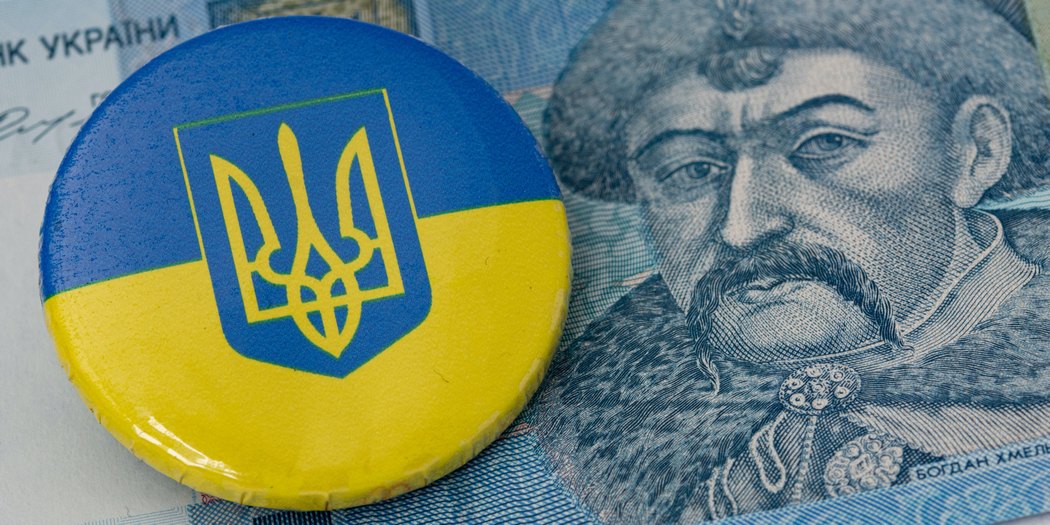
From March 2 paper banknotes of 1, 2, 5 and 10 hryvnias (specimens 2003–2007, with portraits on the right) are no longer legal tender — they have been fully replaced by coins pursuant to the decision of the National Bank of Ukraine. This means that retail chains, service providers and banks have the right to refuse these notes when accepting cash payments.
Who it affects and how to exchange
If you still have such banknotes — don’t panic, but act: exchanges are possible for one year at any bank; for three years at Oschadbank, PrivatBank, Raiffeisen Bank and PUMB; and indefinitely at the National Bank. After these deadlines lapse, these notes will stop being accepted at most commercial points of sale.
"Their average service life is about 2.5 years. In other words, the banknotes of these denominations that remained in circulation were worn out."
— National Bank of Ukraine
Why coins were chosen: the economic logic
The main reason is durability and savings. Coins last 20–25 years, whereas small-denomination paper notes wear out in 1–2.5 years. Against the backdrop of a rapid increase in cashless payments, the need for frequent reissuance of small banknotes is decreasing, so switching to coins reduces the system’s costs.
According to the NBU, in 2025 Ukrainians made 9.5 billion card transactions totaling UAH 7.2 trillion — 10% more by number and 9% more by amount compared with the previous year. The average in-store transaction rose to UAH 354, and online to UAH 608. This underscores that small banknotes are used less often, and their replacement is a logical step.
Consequences for citizens and businesses
Short term: some sellers may refuse to accept the old notes — so exchanging them at a bank is advisable. Businesses should update cash-handling instructions and cash reserves. Long term: lower operating costs for banks and the state, a more convenient cash infrastructure and a reduced need to reissue money.
Summary
The NBU’s decision is not an emotional gesture but a pragmatic move: lower reissue and logistics costs, longer service life of currency in circulation and better alignment with the trend toward cashless payments. But it’s also a reminder: exchange old notes in time and check cash procedures at your point of sale. Will every Ukrainian feel this now? Unlikely — but in the medium term the system will become more resilient and cheaper for the state and businesses.