In brief — why this matters
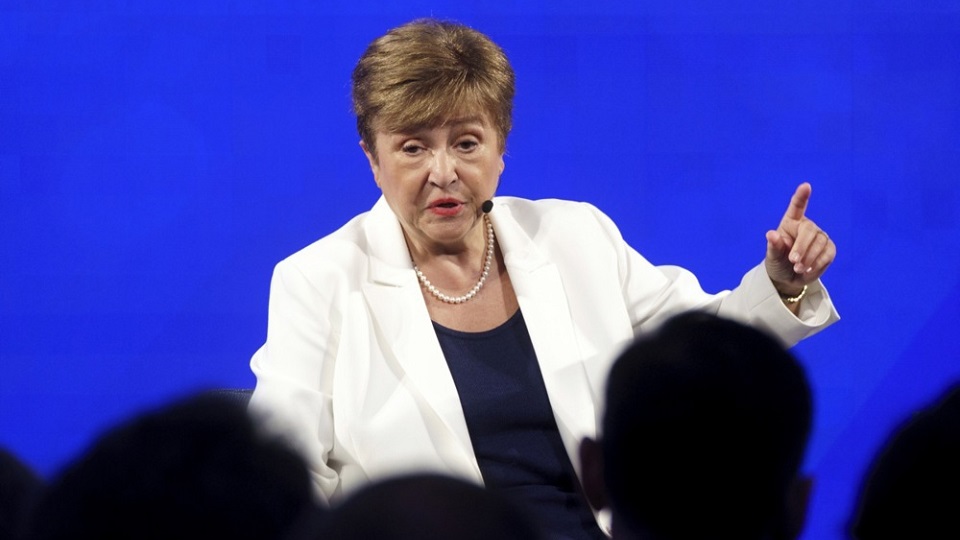
IMF Managing Director Kristalina Georgieva warned bluntly: the world faces a series of new shocks similar to the energy crisis that followed strikes in the Persian Gulf region. This is not an abstract threat — on Monday oil prices rose above $100 a barrel, and damage to infrastructure and trade disruptions are affecting real budgets and prices.
What Georgieva said
"If, as we all hope, the [conflict in Iran] ends soon, be sure: another shock will appear shortly. My advice to policymakers around the world in this new global environment? Think the unthinkable and prepare for it."
— Kristalina Georgieva, Managing Director of the International Monetary Fund
Global effects in a few lines
The price impulse came from strikes on oil and gas pipelines and a drop in shipping traffic through the Strait of Hormuz. This matters: roughly one-fifth of global oil supplies transit the Strait of Hormuz; for Asia — up to half of oil imports and a quarter of liquefied gas imports.
According to the IMF, each sustained 10% increase in oil prices adds about 40 basis points to global inflation and reduces world output by 0.1–0.2%. This is a direct transmission channel of the shock into economies, fiscal balances and current accounts.
What this means for Ukraine
For us, several key risks coincide: rising energy prices put pressure on inflation and real incomes, complicate budget planning and increase logistics and infrastructure-repair costs. At the same time, the risk of disruptions in supply chains for critical resources is growing.
So the IMF's recommendations are not abstract: maintaining reserves, strong institutions and flexible policy have direct practical value for the Ukrainian economy and security. In a context of war and global volatility, this means prioritizing financial stability alongside preparation for unpredictable challenges.
Practical conclusions
The signal from Tokyo can be boiled down to three actionable points: strengthen the independence and capacity of key institutions (central bank, fiscal rules, regulators); use financial buffers in a crisis and rebuild them in good times; keep policies flexible to respond quickly to new shocks. These are not just macroeconomic slogans — they are tools to protect civilians and the armed forces.
Summary
The global landscape is changing rapidly: while the world competes for energy routes and rethinks security risks, Ukraine must combine economic resilience with operational preparedness for new challenges. Whether we can turn the IMF's warning into a plan of action is a question for the authorities, experts and partners.