About the project
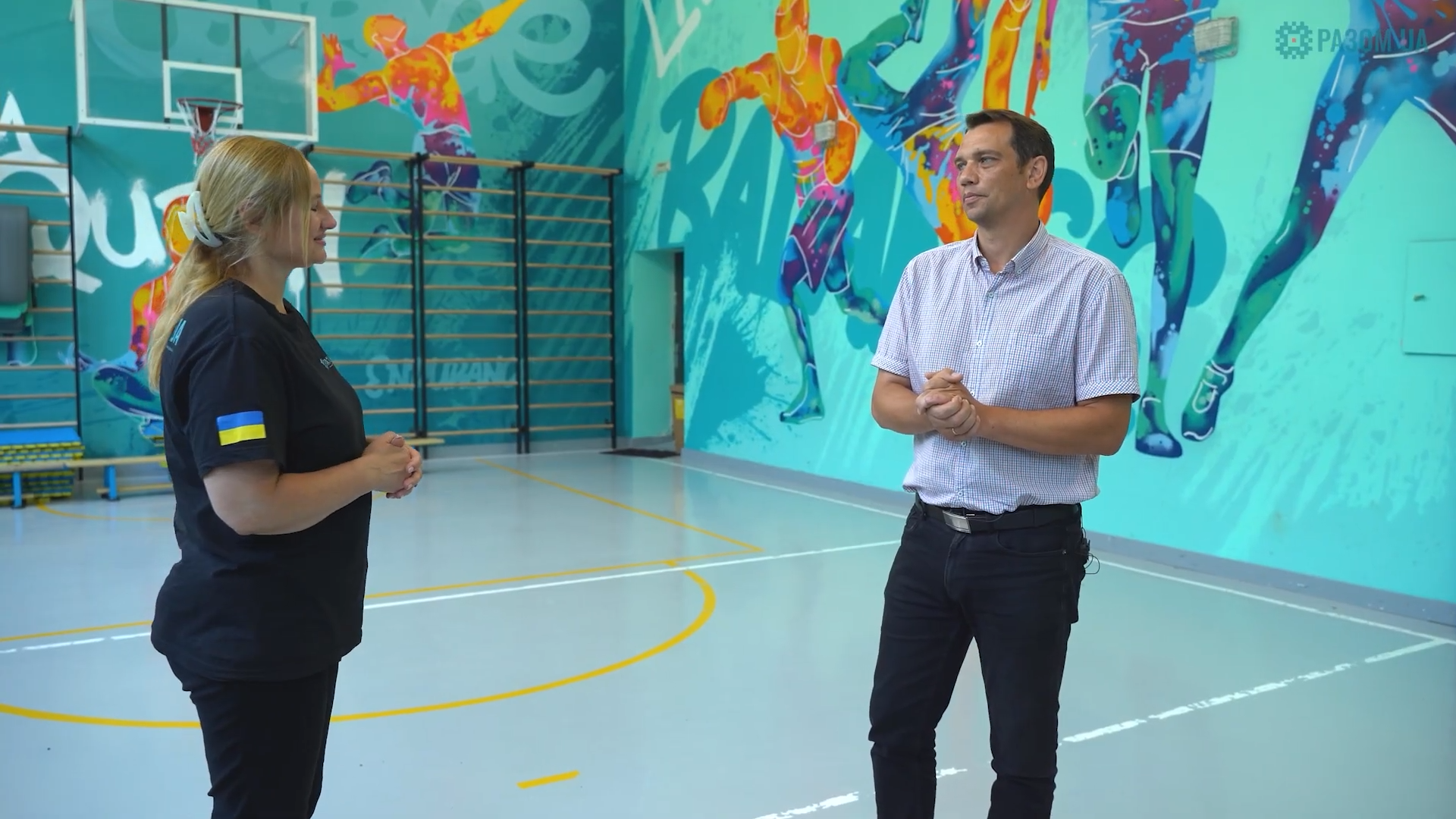
At Irpin Lyceum No. 3 an educational Telegram bot was presented, created by 5-A student Andriy Kovernik. The system allows a virtual dialogue with Taras Shevchenko: to any question the bot responds exclusively with quotations from the collection "Kobzar" — without additional text generation.
The initiative launched on the eve of the poet's birthday as part of the school's events. According to the institution, students, parents and teachers are invited to test it: you can try conversing with the Kobzar here.
Why it matters
At first glance — an interactive diversion. But the project combines two important trends: digital literacy and engagement with national heritage. The school demonstrates how a simple technical tool can bring living text back into the learning process and encourage students to ask questions about history, language and values.
This approach is also useful pedagogically: working with primary sources (in this case — Shevchenko's texts) trains children to check the context of quotations and ask clarifying questions — a skill important in an age of information noise. Educational technology specialists note that such mini-projects effectively boost motivation to read and foster critical thinking.
"We invite students, parents and colleagues to join the testing of the bot and try asking their question to Taras Hryhorovych before his birthday. What will your first question to the Kobzar be?"
— Lyceum No. 3, Irpin
How it can be used in school
Teachers can involve the bot in literature and history lessons as an exercise: ask students to find support for an idea in quotations, compare different answers the bot gives to the same question, or discuss how context changes the meaning of a quote. Technically the project is simple and can serve as a model for other schools that want to integrate classical literature into a digital environment.
What’s next?
This bot is a small but telling example: educational innovations don't always require large resources, and combining culture and technology produces practical results. A question for the reader: are other schools ready to transform classical literature lessons into tools for developing critical thinking and digital competence?