What happened
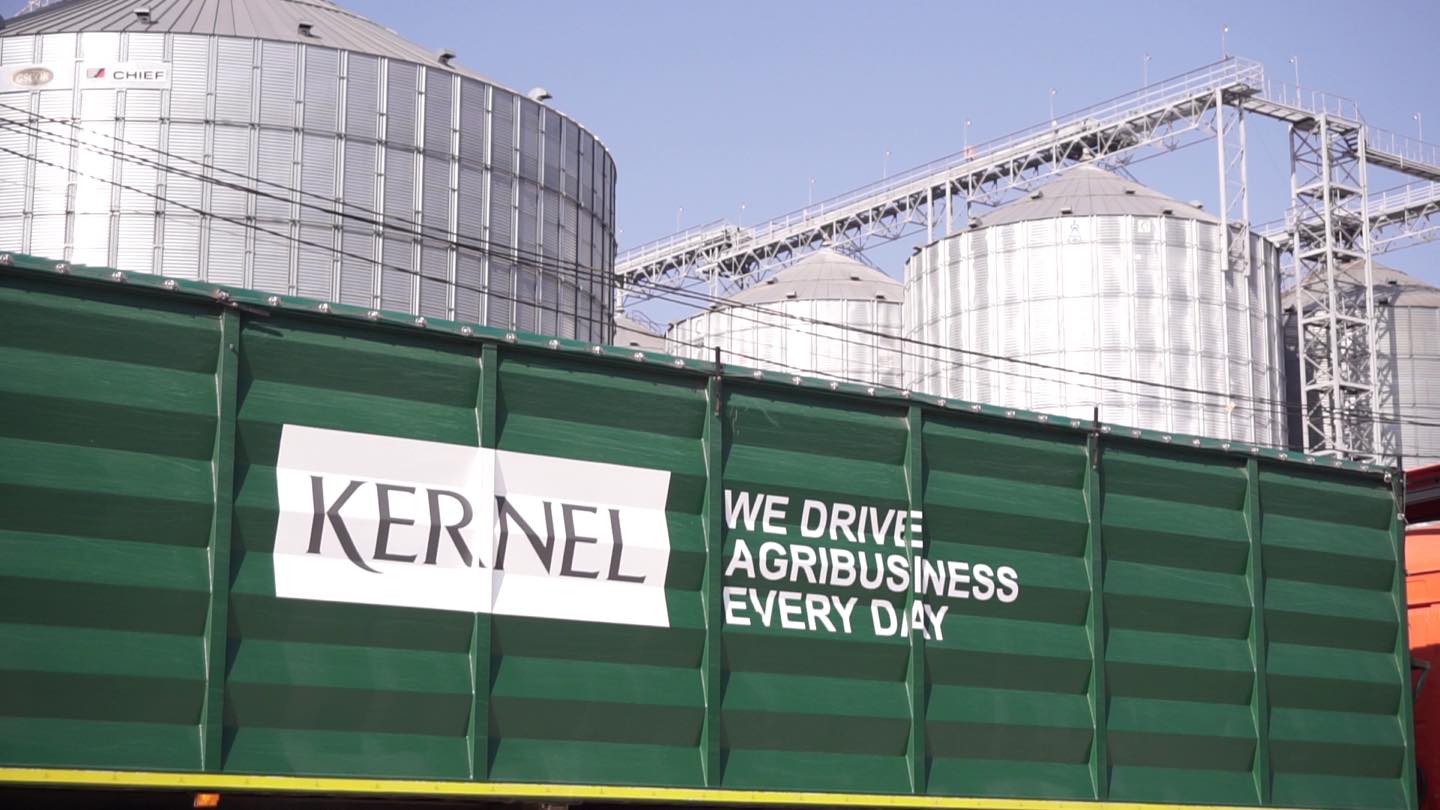
The state-owned Oschadbank opened credit lines totaling $77 mln for companies of the Kernel group. According to the bank's press service, this is the largest loan deal between a Ukrainian bank and private business in 2025.
"This is the largest loan deal with private business among Ukrainian banks in 2025"
— press service of Oschadbank
Where the money will go
Half of the amount — $36.7 mln — has been allocated for 7 years and may be directed to investments: renewal of agricultural machinery and reconstruction of the Transbalkterminal grain terminal in Chornomorsk, which was damaged during the 2023 missile attack. At the same time, the borrower has the right to redistribute the lines between investment and working capital and to promptly use the full amount to purchase grain, fertilizers, fuel and lubricants, and related services.
Why it matters — three dimensions
Economic: the loan gives Kernel liquidity for purchases and infrastructure repairs, which preserves export flows and foreign currency inflows.
Logistical: restoring the terminal in Chornomorsk reduces dependence on detour routes and increases the throughput capacity of ports after infrastructure damage.
Financial and market signal: a deal from a state bank indicates increased confidence in the banking sector — coinciding with the National Bank of Ukraine's data on banks' intentions to expand their loan portfolios.
"Ukrainian banks are showing record optimism about the development of lending and plan to increase loan portfolios and relax standards due to intensifying competition."
— National Bank of Ukraine (from an NBU statement)
Risks and the call for transparency
State lending to large private groups has obvious benefits for the economy, but it also raises demands for transparency of terms: public interest, audit oversight and clear guarantees on the use of funds are key elements to ensure investments serve infrastructure recovery and the economy as a whole.
Short forecast
This deal is more than financing a single company. It signals the start of a cycle of infrastructure recovery and the scaling up of agricultural exports, provided banks and businesses maintain discipline in risk management. The next steps — executing investments at the terminal and reporting on the results — will determine whether this signal turns into a sustained recovery of supply chains.