Briefly, the main points
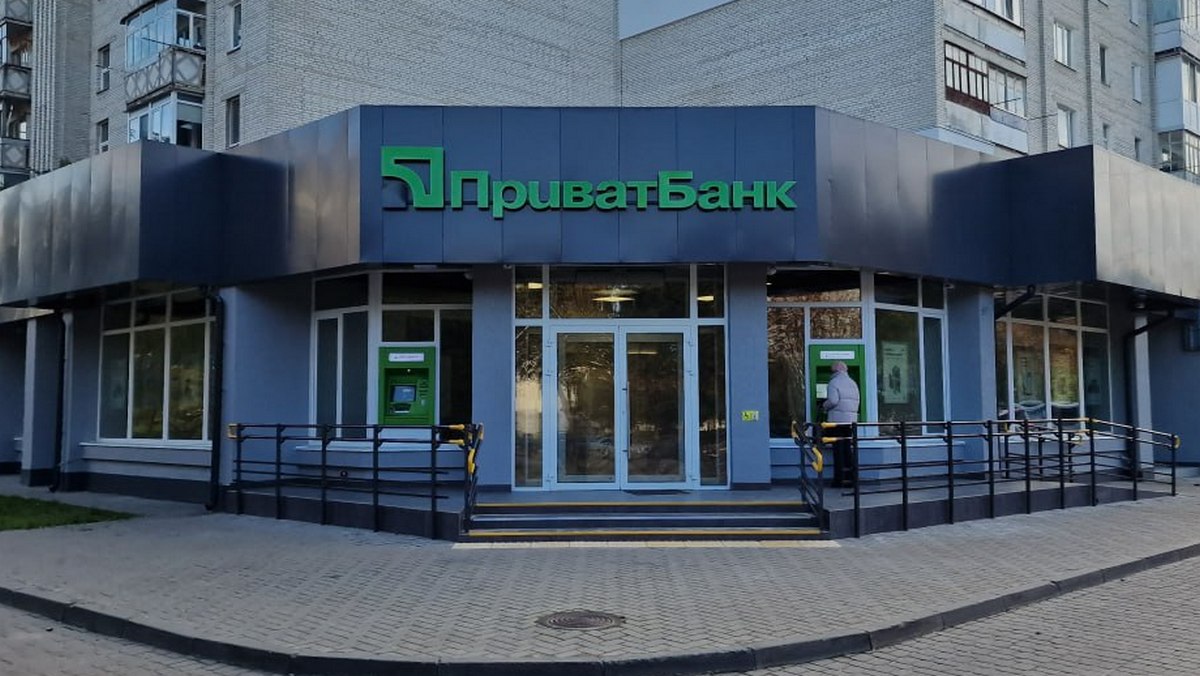
In December 2025 PrivatBank ceased to recognize about UAH 140 billion of old non-performing hryvnia-denominated assets, the National Bank of Ukraine reported. As a result, the share of non-performing loans (NPLs) at the bank fell from 44.70% to 8.45% — the lowest level since 2009.
Why it matters
This is not just an accounting operation. A large write-off reduces the “dead weight” on the bank’s balance sheet and formally improves key indicators, producing several effects for the economy:
- Improved capital metrics — better NPL ratios increase banks’ readiness to resume lending.
- Market signal — the reduction in the share of problem assets at the sector leader from 44.7% to 8.45% lowers systemic risk and boosts investor and depositor confidence.
- Confirmation of the trend — according to the NBU, sector-wide NPLs fell from 24% to 14% as of 1 January 2026; these are the lowest figures in more than 15 years.
"The banking system is showing steady growth"
— National Bank of Ukraine
Context and figures
The NBU also notes that alongside the write-offs there was a recovery in lending activity: net hryvnia loans to businesses in December 2025 increased by 35.6% year-on-year, and to households by 32%. Preliminary data show that solvent banks earned UAH 126.8 billion in net profit for 2025.
Distribution of NPLs by bank type: state-owned banks — less than 20%, private banks with Ukrainian capital — 8.4%, foreign-owned — 6.5%. After PrivatBank, the largest share of non-performing loans was at bank "Alliance" — 43.2%.
Risks and limitations
It is important to understand: write-offs do not create cash. They clean the balance sheet and improve indicators, but do not automatically translate into available loans. For real growth in lending the following are needed:
- demand for loans from businesses and households;
- adequate capitalization of banks and competitive market conditions;
- transparent restructuring mechanisms and supervision so similar problems do not accumulate again.
What this means for Ukraine
For the economy — potentially a positive sign: fewer problem assets in a key bank means the system is better positioned to support reconstruction and investment. For citizens and businesses — a chance for more accessible lending, but it depends on whether banks convert improved metrics into actual lending products.
Summary
The write-off of UAH 140 billion at PrivatBank is a large-scale cleanup that reduces systemic risks and creates preconditions for a recovery in lending. However, moving from statistics to real financing of the economy will take time, decisive action by banks, and political support. Whether these figures will turn into loans for businesses and investments in reconstruction will depend on the next steps by the regulator, bank owners, and demand from the economy.