What happened
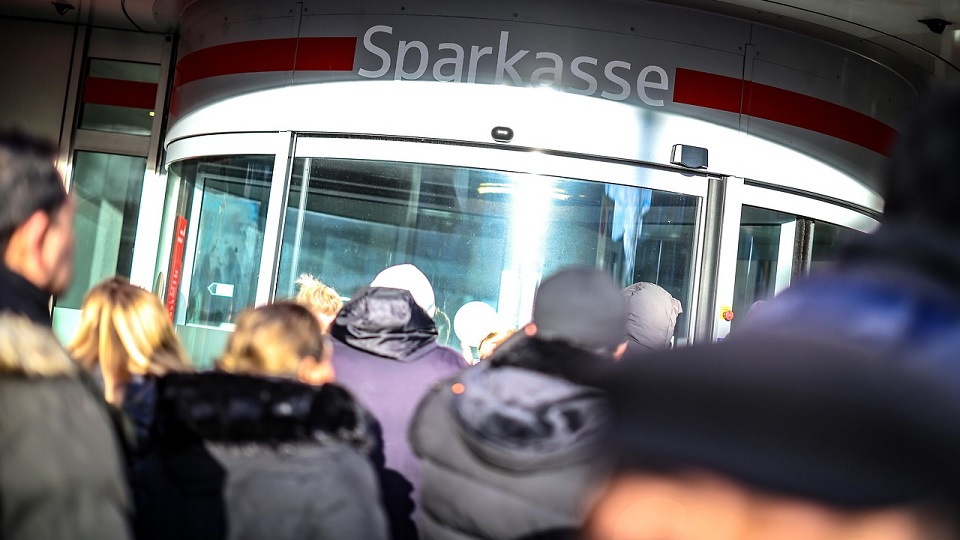
From 17 to 30 December in the federal state of North Rhine-Westphalia three robberies of Sparkasse branches were recorded: in Bonn (17 December), in Gelsenkirchen (30 December) and on the street by the train station in the city of Halle (30 December). Local police reported four safes broken into in a basement vault in Halle; authorities assume the crime occurred during working hours, approximately between 12:45 and 13:10, and without signs of external intrusion.
Details and sources
In Bonn two safes were found broken into: according to preliminary information, mostly jewelry and gold were stolen. Police questioned and searched a 22‑year‑old former bank employee, but later released him, Deutsche Welle reports. In Gelsenkirchen, reportedly several thousand safes were broken into; initial damage estimates ranged from around €30 million to, according to Bild, over €100 million — one of the largest robberies in the modern history of the Federal Republic of Germany.
"They still do not have any serious evidence that would allow them to trace the robbers."
— North Rhine-Westphalia Police
Why it matters
Scale and methods. Safes broken into in a basement and the absence of signs of external intrusion point to a high level of technical expertise or possible involvement of individuals with knowledge of the internal infrastructure.
Trust in banks. When customers see public stories about thousands of broken safes and a questionable response from law enforcement, it undermines the basic trust model on which the banking system is built.
Economic consequences. Large losses affect insurance, banks’ security policies and, ultimately, the cost of services for customers. For comparison: losses from the Louvre robbery (October 2025) were estimated at €88 million, and because there was no insurance France received no compensation — a reminder of the risks for owners of valuables.
Possible scenarios and what to expect
- Enhanced vetting of staff and internal procedures at bank branches.
- Interregional police coordination: if the group is operating systematically, investigators should look for links between incidents in different cities.
- Review of insurance policies and rental terms for safes — owners of valuables may face requirements for additional guarantees.
Context for Ukraine
This series of robberies is not just a German criminal story. For Ukraine, which is rebuilding trust in its financial system amid war and hybrid threats, it is a reminder: the security of banking infrastructure is a strategic issue. European partners, whom our citizens and businesses trust, must demonstrate a swift response and transparency in the investigation.
What to watch next: the results of forensic examinations, whether common traces appear between the incidents, and Sparkasse's response regarding raising security standards and communication with customers. This will determine whether the wave of robberies turns into a systemic crisis of trust or remains a series of separate high‑profile incidents.