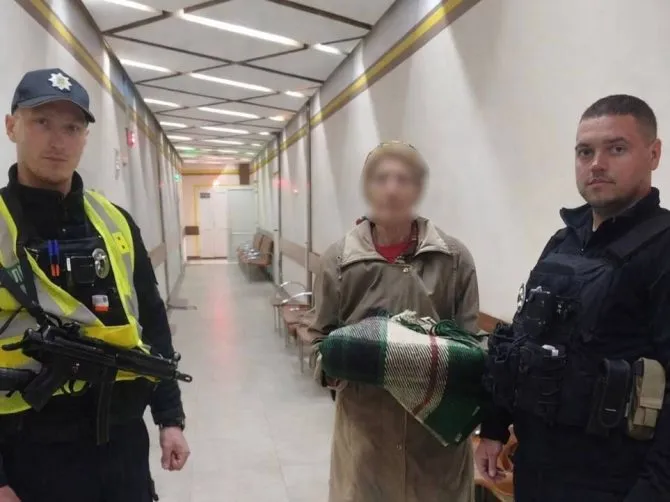
In Vorzel, Kyiv region, patrol police officers helped a 77-year-old woman who got lost and could not find her way home on her own.
Law enforcement officers found the elderly resident on the street — she was confused and disoriented. The police officers identified her, contacted her relatives, and brought the woman home safely.
Similar cases are not uncommon. According to Ukrainian geriatricians, spatial disorientation is one of the early symptoms of dementia, which affects between 150,000 to 200,000 people in Ukraine according to various estimates. Most of them live without an official diagnosis and without systematic care — burdening families who are often themselves facing war conditions, evacuation, or loss.
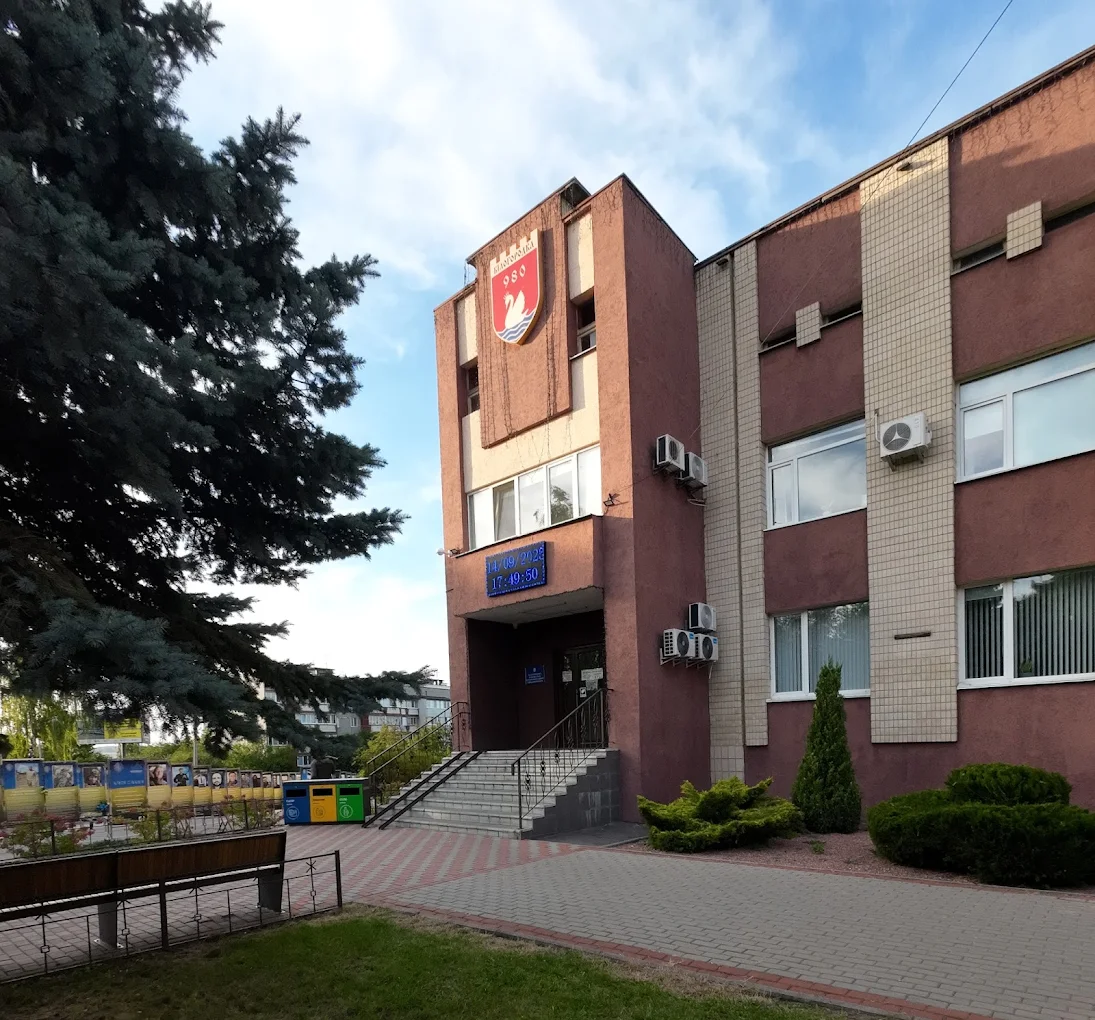
Vorzel is a town that continues to recover from Russian occupation in spring 2022. Some of its residents have returned, others have not. For those who remained or returned, social protection infrastructure is being rebuilt more slowly than housing.
This episode ended well. But it raises a concrete question: do territorial communities that experienced occupation have the resources and protocols for systematic work with vulnerable elderly people — or does each such case still depend on whether an attentive patrol officer happens to be nearby?