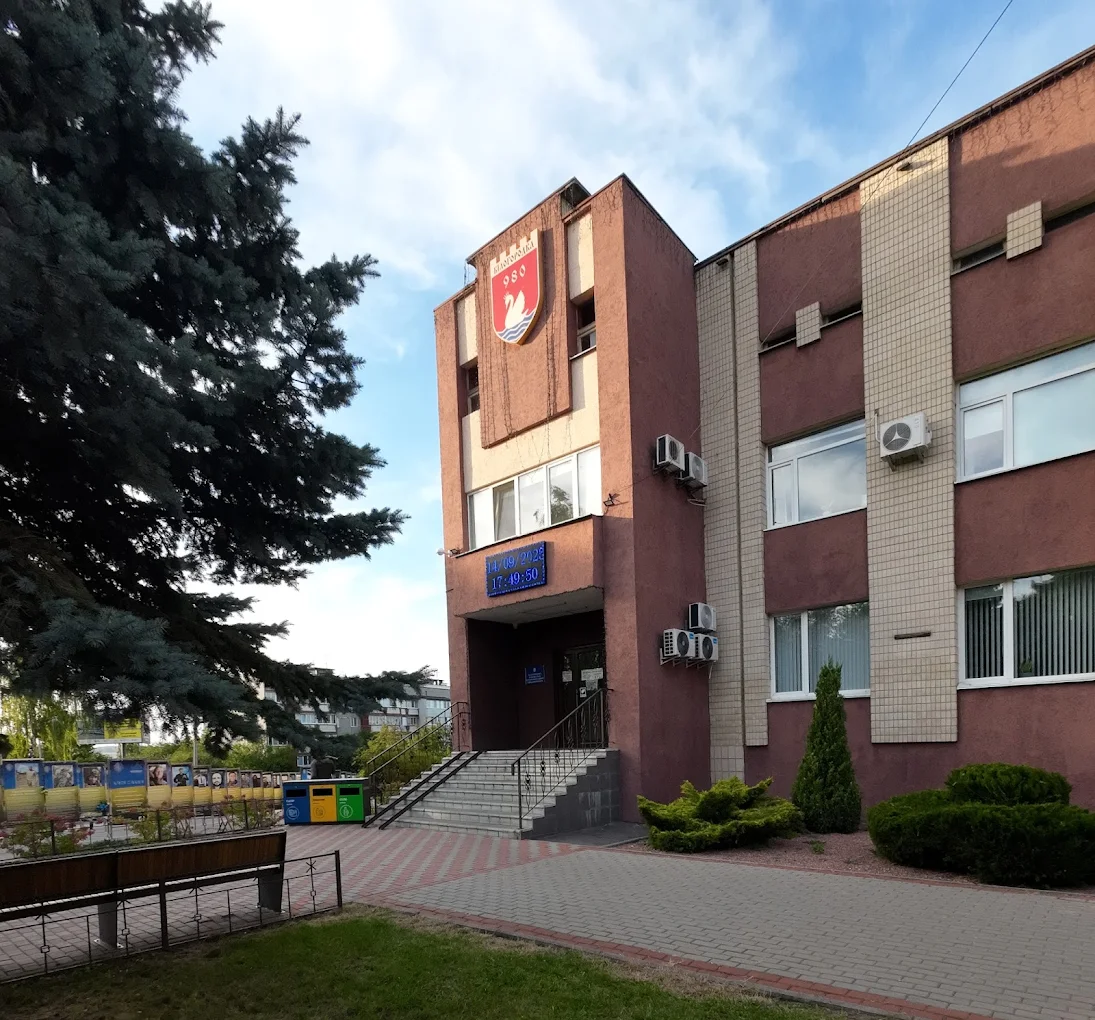
Irpin City Council has approved a new wave of payments to restore damaged housing: 53 families will receive compensation totaling 7.9 million hryvnias. The average amount per household is approximately 149 thousand hryvnias.
This is not the first tranche. The city is systematically, wave after wave, working through the lists of those whose homes were damaged during the Russian occupation in the spring of 2022. Irpin then became one of the symbols of the war—and one of Ukraine's first tests: whether the state is capable not just of liberating a city, but of returning people to normal life.
The mechanism is simple on paper: a family submits documents, a commission assesses the damage, the council approves the payment. In practice, it means months of waiting, bureaucratic requirements to confirm property rights, and a queue that shrinks more slowly than construction prices rise.
53 families—these are specific people with specific holes in their walls and leaking roofs. But behind the number lies a broader dimension: Irpin—a city with a population of over 60,000 before the war—has still not closed all compensation applications. How many families are still in the queue and when the program will be fully completed, the city council has not publicly announced.
Another dimension is the adequacy of the amount. 149 thousand hryvnias at the beginning of 2023 and 149 thousand now—this is a different scope of repair: building materials have become more expensive, labor has too. The program fixes the amount of damage at the time of assessment, but does not index it at the time of payment.
Will Irpin manage to fulfill all its obligations to residents before inflation devalues the compensation to a level that does not even cover half the repair?