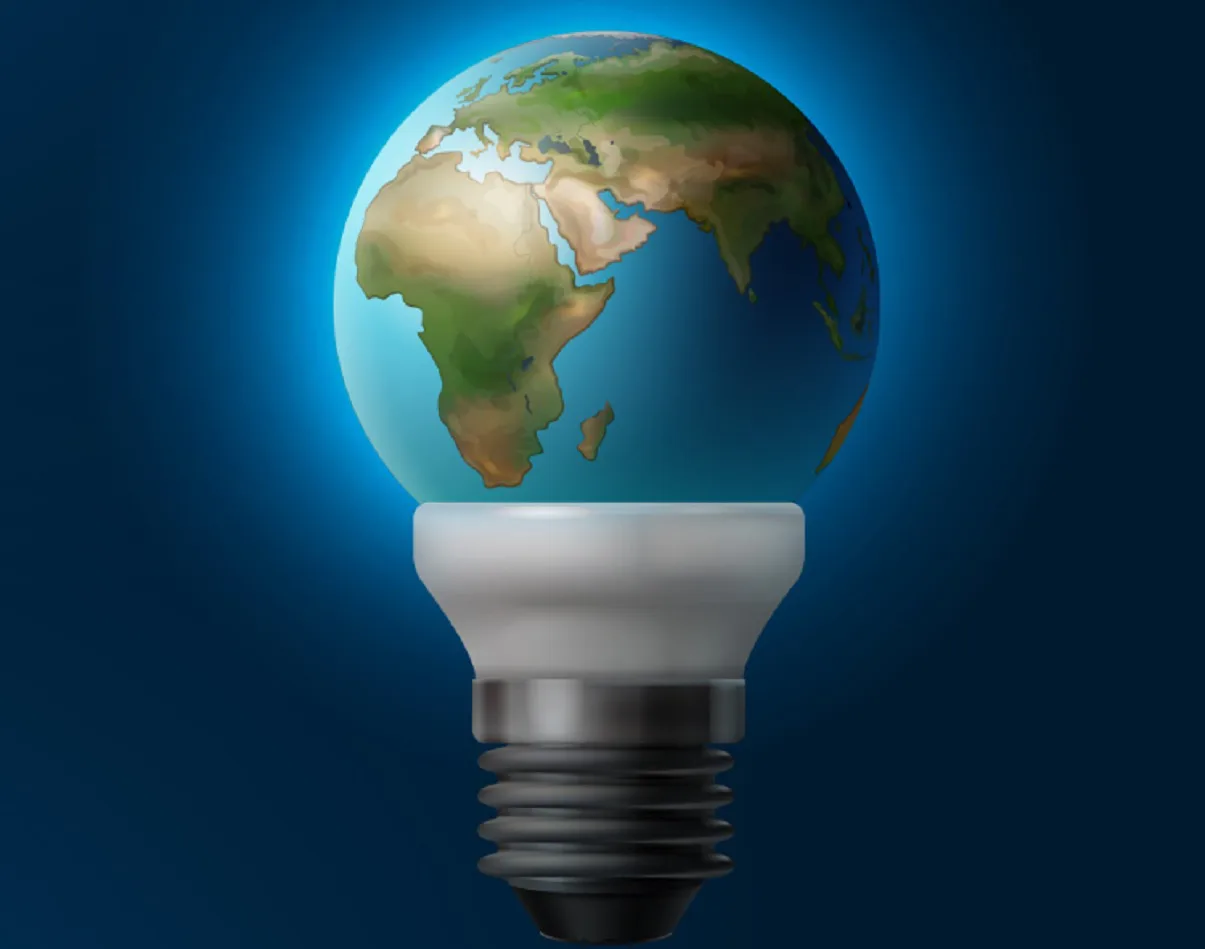
July 10 is a day where sacred and technological history intersect with unexpected precision: Saint Anthony of the Caves and Nikola Tesla share one date of birth across nearly nine centuries. The first literally excavated the space for one of Europe's greatest shrines. The second changed the way humanity obtains electricity. Both, without university degrees, accomplished what institutions could not.
Anthony of the Caves: a cave as an architectural solution
Saint Anthony was born around 983 in Liubech in Chernihiv region. In his youth, he made a pilgrimage to Mount Athos, where he took monastic vows, and later, with the blessing of Athonite elders, returned to Kyiv and settled in a cave on the Dnieper slopes. This very moment — not the construction of a temple, but settling in the earth — laid the foundation for the Kyiv-Pechersk Monastery.
On July 10, Orthodox Christians honor the memory of Saint Anthony of the Caves — one of the founders of the Kyiv-Pechersk Lavra and one of the most revered saints of Kyivan Rus. The paradox is that a person who deliberately withdrew from people into a cave attracted a community to him — and thus what UNESCO today recognizes as a World Heritage site came into being.
Nikola Tesla: a lost battle, a won war
Nikola Tesla was born on July 10, 1856 — a Serbian-American engineer, futurist, and inventor. He fundamentally transformed modern civilization by developing an alternating current (AC) system that today supplies electricity to virtually every home and business on Earth.
"AC allows electricity to be transmitted over long distances with less power loss and at higher voltages — this revolutionized the way we use electricity today."
Tesla Legacy Project
In the late 1800s, Edison's direct current system could only deliver electricity about a mile from the generator. Tesla's alternating current solved this problem — and Tesla won the so-called "War of Currents," though most of the laurels went to Edison.
Tesla's influence extended far beyond electrical power — it touched radio, robotics, medical imaging, lighting, and wireless communication. Most of these technologies he did not live to see realized — and he died in near poverty in 1943.
Two more occasions for July 10
- International Piña Colada Day — the cocktail received an official holiday after Puerto Rican bartender Ramón Monchito Marrero was awarded authorship of the recipe in 1978 after 16 years of legal disputes.
- Kitten Day and Bee Protection Day — two dissimilar but related to survival holidays: kittens as a symbol of vulnerable young life, bees as a reminder that without pollinators, one-third of humanity's food supply will disappear.
Tesla dreamed of wireless energy transmission across the world — his Wardenclyffe Tower was never completed due to lack of funding. If J. P. Morgan had not withdrawn his investment in 1903, Tesla's birthday today might coincide with the anniversary of a completely different electrical infrastructure — and the question is not whether the technology would have been sufficient, but whether corporate will would have been.







