Incident and swift reaction
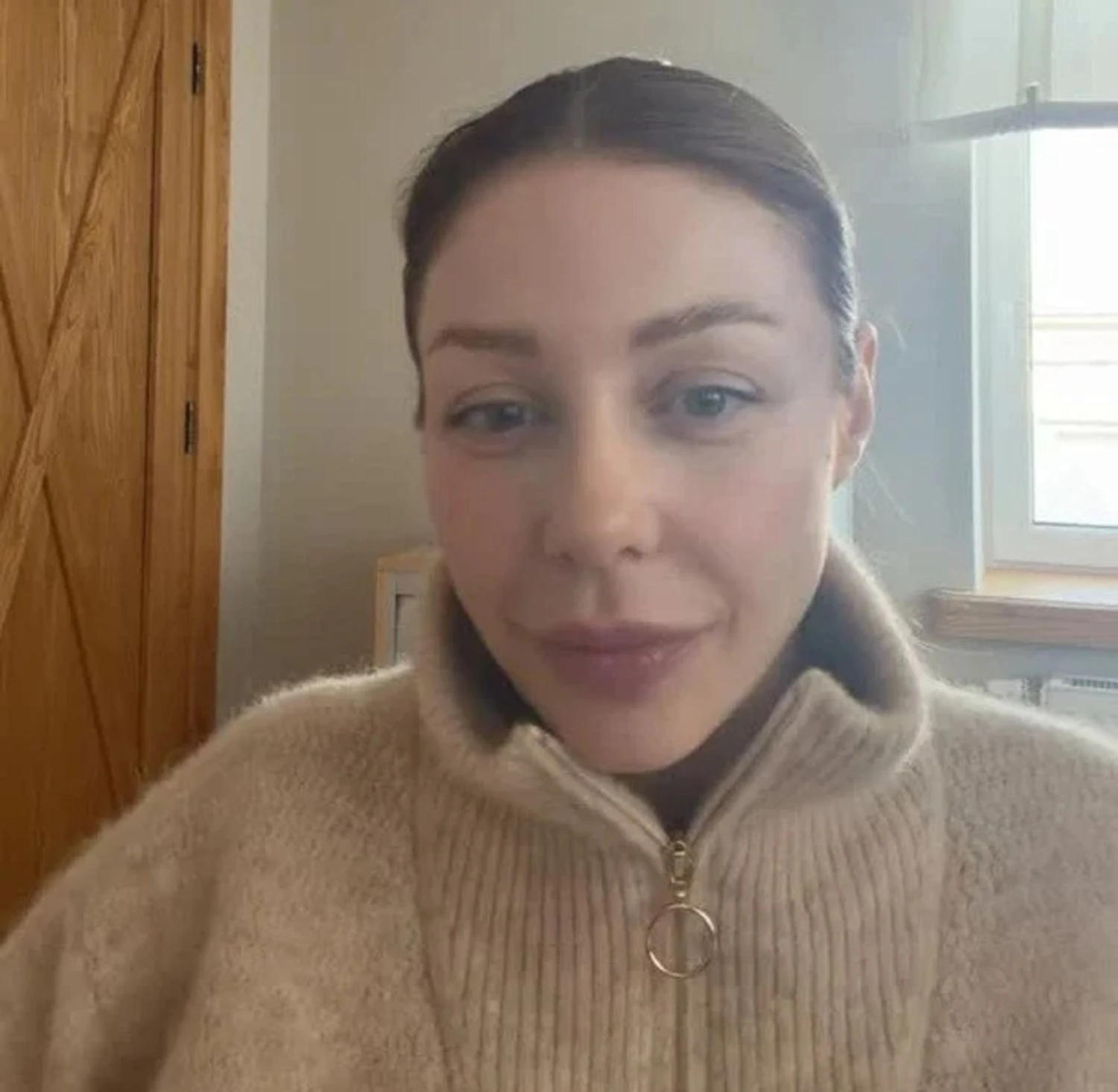
Ukrainian singer Tina Karol responded to criticism after a fragment of her new song with the words We have no power, but we have warmth appeared on TikTok. According to UNN, the clip sparked active debate: some viewed it as an attempt to add optimism, others — as inappropriate in the context of real problems with electricity supply and heating.
In her video apology the artist explained that the aim of the composition is to emphasize human warmth, support and hope, not to discuss technical problems with energy supply. She also clarified that the track is not a commission from the authorities and that she decided to re-sing a song she had noticed in the creative work of a young author.
I wanted the excerpt of the composition to bring everyone together, but I brought everyone against myself. It turned into such a meme. Well, I'm sorry — please forgive me, even if it's a painful meme for me
— Tina Karol, singer
Context: the role of artists during the war
This story is not just hype around lines of a song. It touches on a fundamental question: what role do public figures have in shaping public mood during a crisis. Messages from well-known artists affect morale, citizens' expectations and trust in institutions; therefore words, even in an artistic context, are often read as a signal.
Communications experts and cultural analysts point out: a positive narrative can strengthen society's resilience, but only if it is perceived as sincere and takes into account the real context. Otherwise, instead of consolidation it breeds cynicism and distance.
Consequences and lessons
For artists and journalists this episode is a reminder about the responsibility of wording and the importance of context. For the audience — about the value of critical reception: verify sources, understand the author's intent and don't give in to emotional labels. The social media reaction showed that even a small detail can trigger a wider public conversation.
Summary: Tina Karol apologized and explained her intent, but the discussion it provoked opened a broader topic — how art and public messages coexist with the realities of war. The next question: how will artists and the public develop shared rules for this conversation so that it strengthens, rather than disperses, public support?