What the V&A showed
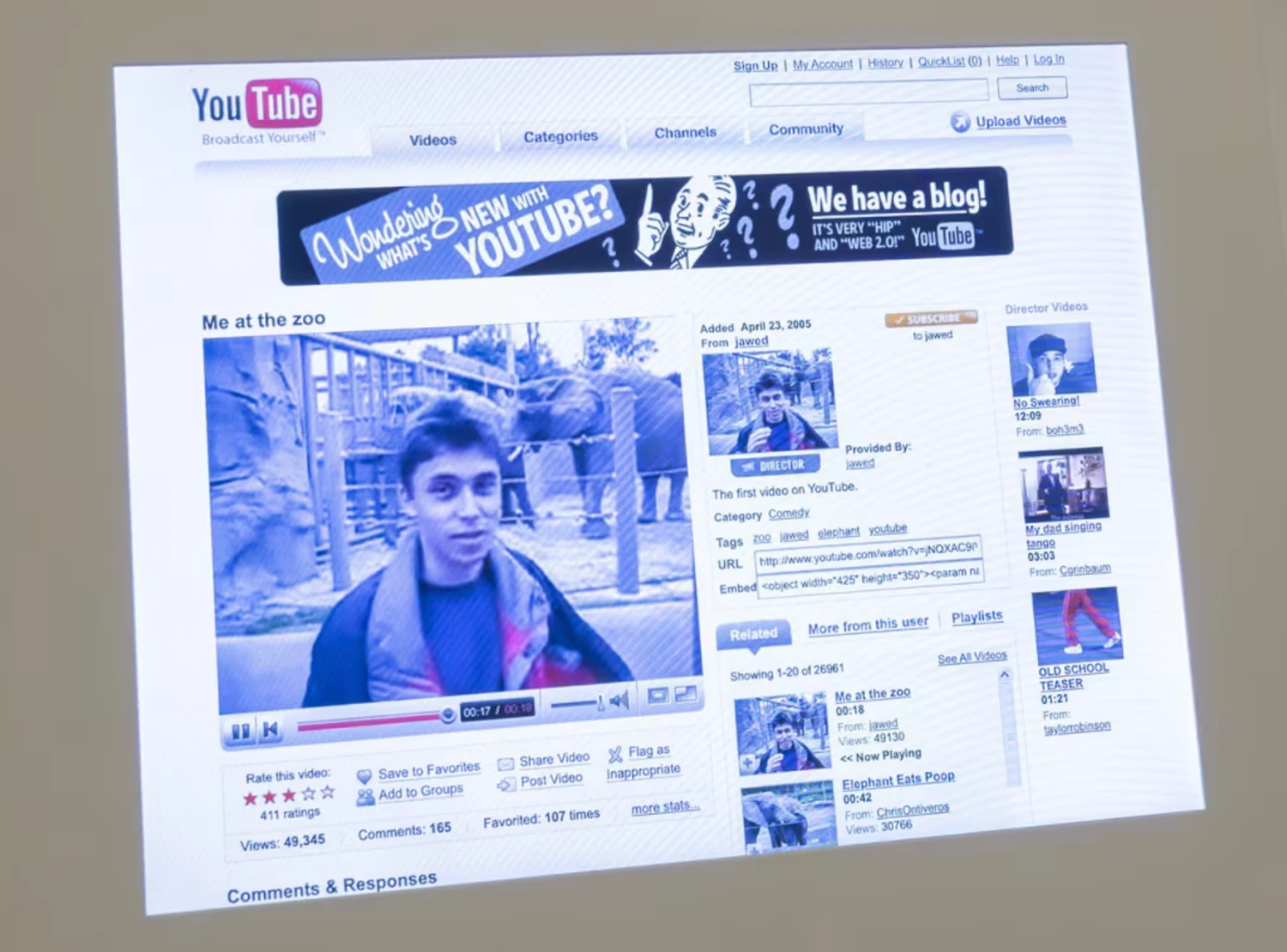
The Victoria and Albert Museum in London has opened an exhibition that recreates an early YouTube webpage and includes the first uploaded video — the 19‑second clip "Me at the zoo" by co‑founder Jawed Karim. The project, described by CNN and the museum itself, showcases the platform design of the Web 2.0 era and the way users interacted with content in the service’s early years.
The clip was uploaded on April 23, 2005. As of today the video has about 382 million views and over 18 million likes — a numerical marker of how quickly a short recording can become part of global culture.
"The V&A has acquired a reconstructed early webpage and the first video ever uploaded to the platform"
— a representative of the Victoria and Albert Museum
Why this matters
This is not just nostalgia. The V&A’s digital preservation team spent about 18 months recreating the design and user experience from December 8, 2006 — the oldest recorded snapshot available to the museum. To recreate it, the museum worked with YouTube’s UX team and a London interactive design studio. Projects like this demonstrate how the internet’s memory infrastructure operates: not every post or video is preserved automatically — it takes experts, resources, and institutional will.
"By restoring the early watch page, we’re not just showing a video; we’re inviting the public to step back in time, to the beginning of a global cultural phenomenon"
— Neil Mohan, CEO of YouTube
What this means for Ukrainian creators and cultural institutions
The V&A’s approach is both a lesson and a reminder for Ukraine: digital platforms shape history just as museums do. Ukrainian creative communities have already benefited from global visibility online — but visibility must be captured and preserved. Archives, museums, and media need to work together to document online culture, preserve source materials, and ensure access under future circumstances.
For creators, it is also a reminder of responsibility: even a short video can become a source of collective memory. The practical takeaway is to invest in making copies and backups, in metadata, and in open archives so the Ukrainian voice in the digital space does not disappear or end up interpreted only by external platforms.
Experts and curators agree: documenting digital phenomena now is an investment in the cultural sovereignty of the future.
Brief summary
The V&A exhibition is an example of how institutions turn internet memories into a lasting cultural resource. For Ukraine this is a signal: digital memory requires systematic work today so that tomorrow our stories are not merely statistics, but a documented part of the world’s cultural heritage.