What happened
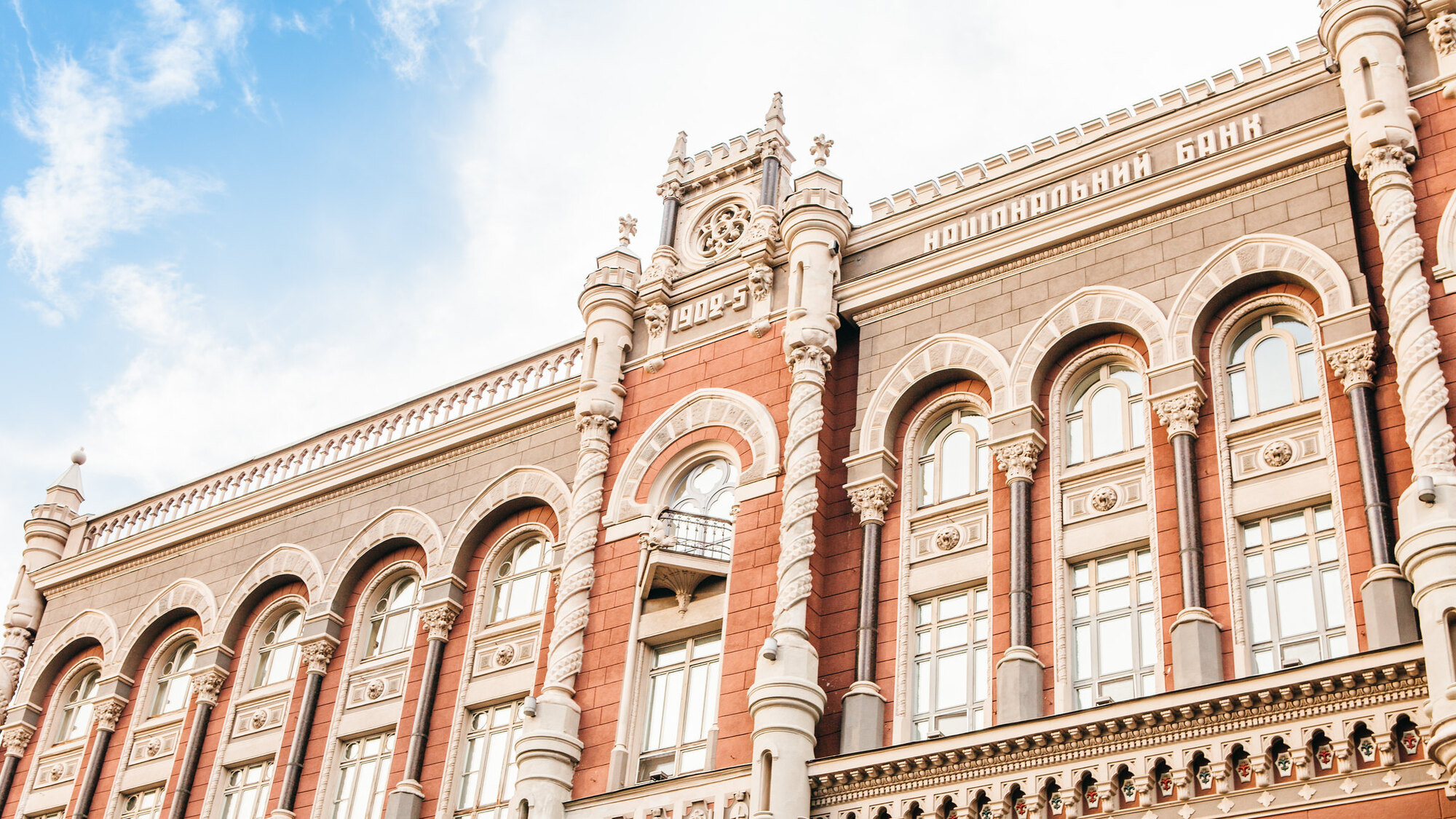
On 19 February 2026 the National Bank of Ukraine declared Motor‑Bank and the First Investment Bank (PIN Bank) insolvent. The official notice was published on the NBU website — the decision was taken after prolonged supervision of both institutions.
"As of 1 February 2026 their combined share in the banking sector amounted to 0.02% of the assets of solvent banks, so their bankruptcy will not affect the stability of Ukraine's financial system."
— National Bank of Ukraine
Why now
The reason is formal and clear: both banks failed to meet the regulator's requirements to submit revised financial recovery plans. As early as 16 December 2025 the NBU classified them as problematic due to prolonged risky activity and a breach of the minimum regulatory capital requirement.
At the time of the decision Motor‑Bank's regulatory capital stood at 173 million UAH, PIN Bank's at 73 million UAH, while the NBU minimum is 200 million UAH. This is a technical but decisive reason — without sufficient capital a bank cannot guarantee operational stability and the protection of depositors.
Owners and political context
Motor‑Bank previously belonged to Vyacheslav Bohuslaiev; assets linked to his circle were confiscated under the sanctions law in 2024. PIN Bank was nationalized in 2023; it was previously owned by Yevhen Hiner. Therefore the NBU's decision should be seen not only as a financial step but also as a state response to risks related to ownership and the sanctions backdrop.
What will change for the market
After the closure of these two institutions five banks remain state‑owned: PrivatBank, Oschadbank, Ukreximbank, Ukrgasbank and Sense Bank. The total number of banks in Ukraine has fallen to 58.
In 2025 RVS Bank and Portal Bank also ceased operations. A transitional bank — Iute Bank — was created on the basis of RVS and was later sold to the Estonian group Iute Group AS. This chain of events points to two trends: market consolidation and active regulatory efforts to cleanse the financial sector of risky assets.
Analysis and consequences
The facts indicate there is no direct systemic risk — the share of closed banks is negligible. But the more important signal is that the NBU is tightening requirements and does not hesitate to use enforcement tools even against institutions with politically sensitive ownership histories. For customers this is an occasion to ask questions about banks' capitalization and transparency; for the market it is an additional push toward professional consolidation.
Conclusion
The NBU's decision is part of a systemic policy to cleanse the sector and raise standards. It is unlikely to destabilize the system, but it forces players to work more stringently. The next step is oversight of compliance with the new requirements and further consolidation; whether regulatory rhetoric turns into lasting rules depends on the ability of the state and the market to transform declarations into concrete investments and institutional change.