The Facts
At the center of the conflict is the disqualification of Ukrainian skeleton racer Vladyslav Heraskevych over the use of the so‑called "memory helmet", which the athlete in fact did not use during his run at the 2026 Olympics. Media Center Ukraine reports in a UNN report that there is an intention to appeal the decision.
The first instance — a claim to the Court of Arbitration for Sport (CAS) — was dismissed. Under international rules, Ukraine has the right to file a legal response within 30 days, after which an appeal stage in Swiss jurisdiction is possible.
"Even if the IOC betrayed them, I will not betray them. We will continue our fight. I am convinced these athletes have the right to be at these competitions."
— Vladyslav Heraskevych, skeleton racer
Legal avenues and arguments
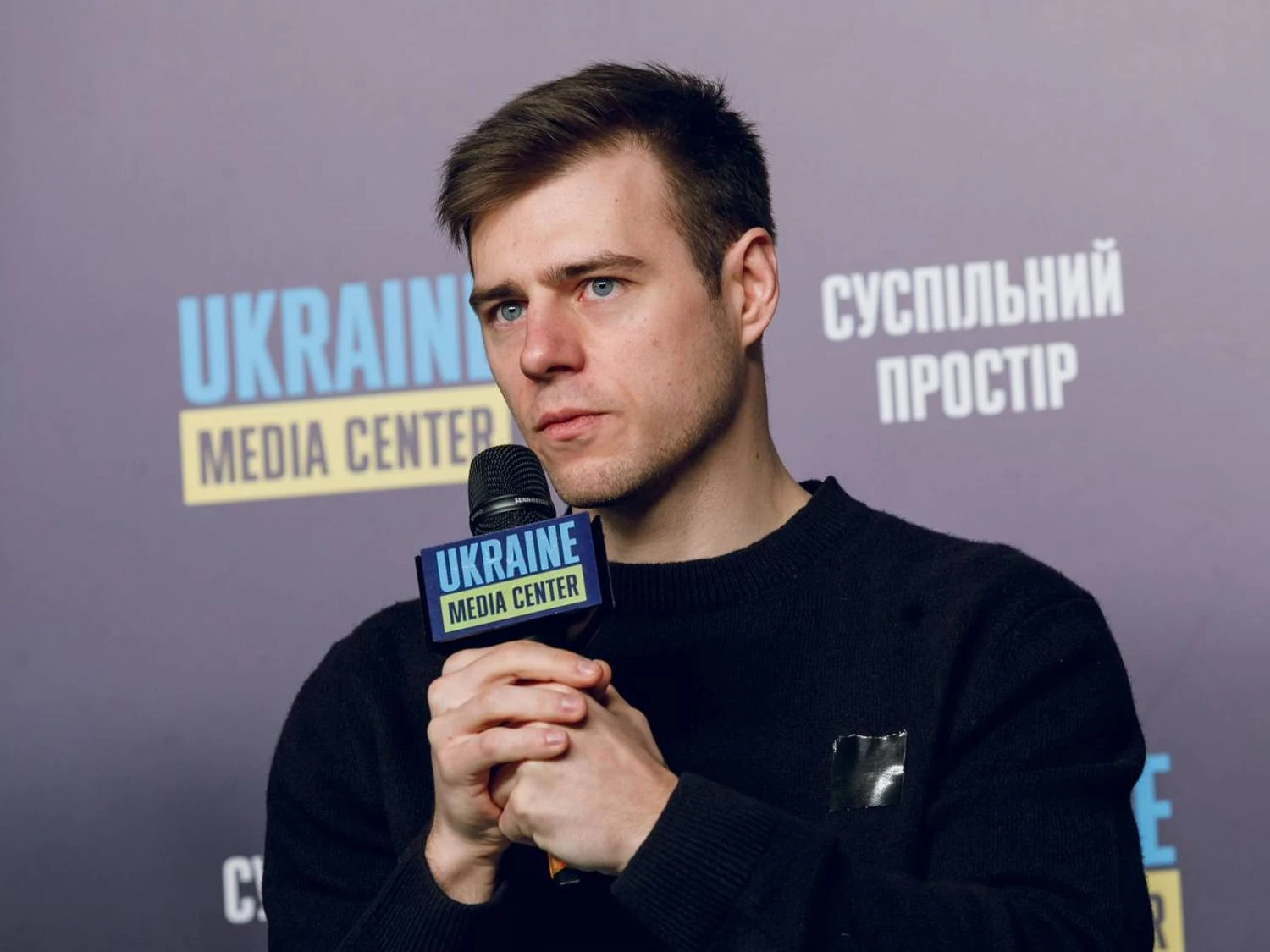
According to sports lawyer Yevhen Pronin, the team is prepared to mount reasoned appeals to the next instances — if necessary to the Federal Supreme Court of Switzerland. As Pronin explains, the key question is whether procedures were violated and whether it can be proven that the "memory helmet" did not create a sporting advantage.
"We have a team of European lawyers ready to help. To represent interests in the Swiss jurisdiction, we need specialists with the appropriate qualifications."
— Yevhen Pronin, sports lawyer, former acting president of the Ukrainian Athletics Federation
Pronin also emphasizes that outside assistance sometimes distracts more than it helps — therefore a coordinated, professional legal strategy is of key importance.
Information risks and internal misunderstandings
Heraskevych's team noted that they learned from social media about the purported intentions of other Ukrainian officials to join the defense. The athlete himself urged people not to trust unverified reports.
"Regarding the court cases I learned about it only from social media. For all the paperwork we worked with Mr. Yevhen and foreign lawyers. Not everything written on the internet is true."
— Vladyslav Heraskevych, skeleton racer
Wider context: memory, precedent, support
The issue of the "memory helmet" also has a symbolic dimension: it's not only about one piece of equipment, but about an athlete's right to express memory and identity without the risk of disqualification. Experts and legal teams emphasize that the precedent could affect future IOC decisions and the practice of handling similar cases.
What comes next and what to expect
The reality is simple: the outcome will depend on two factors — the quality of the legal arguments and the ability to draw international attention to the legal, not emotional, aspects of the case. The next steps are gathering the evidentiary base, filing an appeal within the set deadlines, and, if necessary, proceeding to the Swiss instance.
The question that remains open: will it be possible to turn an individual dispute into a precedent that protects not only one athlete but also the Ukrainian community's right to memory in international sport?