Clarifying the significance
According to the Ministry of Defense, in 2025 the Armed Forces of Ukraine received 25% more special armored vehicles compared to 2024. This is not an abstract statistic: it concerns means that directly affect the survivability of personnel and the resilience of logistics at the line of contact.
"In 2025 the Armed Forces of Ukraine received 25% more special armored vehicles than in 2024"
— Denis Shmyhal, Minister of Defense
What arrived and for which tasks
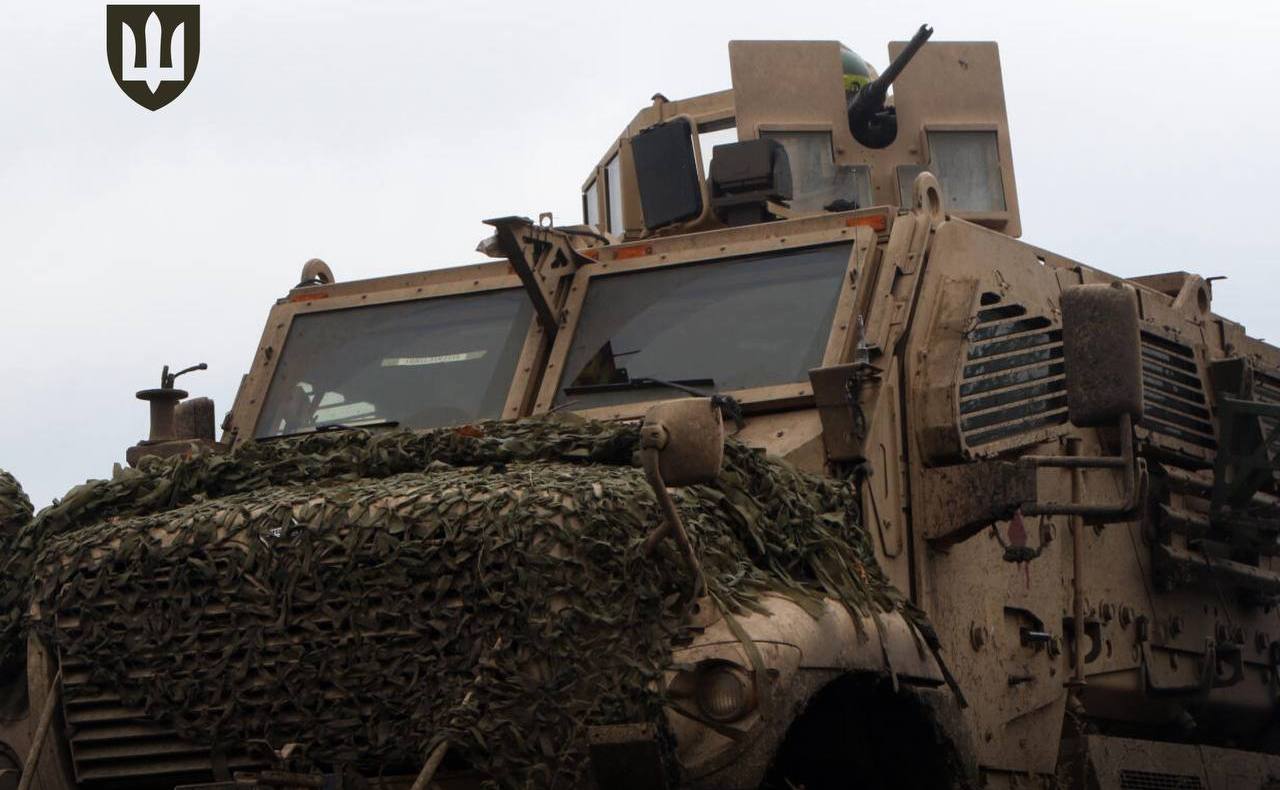
These are wheeled armored vehicles of various models, both Ukrainian and foreign-made. They perform a wide range of tactical functions: transporting cargo and personnel, fire support, medical evacuation and special engineering-logistics tasks.
Some vehicles are built to the MRAP (Mine Resistant Ambush Protected) design. Such a construction with a V-shaped hull and special shock-absorbing seats disperses blast energy and significantly reduces the risk of fatal crew injuries in the event of a mine detonation or ambush.
Structurally, the armored vehicles consist of a monolithic armored capsule and external blast-absorbing components — wheels, chassis and engine — which allows them to retain functionality even after a strike or blast.
Why this matters for the country
Increasing the number of such vehicles strengthens the operational resilience of brigades: safer delivery of ammunition and fuel, more reliable evacuation of the wounded, fewer logistical downtimes due to equipment losses. This is not just about equipment, but about people’s lives and operational effectiveness.
Defense industry analysts and military engineers note: investments in protected mobility produce a cumulative effect — losses during movement decrease, the ability to respond to enemy maneuvers improves, and the morale of units rises as they see real protection while carrying out tasks.
Context: systemic changes in logistics
These deliveries come against the backdrop of other steps by the Ministry of Defense: on 27 December a plan to implement digital fuel tracking for the forces was announced, and on 30 December 2025 the ministry expanded units’ capabilities to procure components for drones. Taken together, this signals a systemic modernization of logistics and increased autonomy of forces in the field.
What next?
Now it is important not only to deliver the equipment, but to ensure its operation: crew training, maintenance, spare parts and integration into tactical procedures. Questions for partners and manufacturers remain — will the pace of deliveries be maintained and will supply and support chains be established. That will determine how quickly the additional armored vehicles transform from a novelty into a sustained factor of advantage on the battlefield.
Summary: 25% more armored vehicles is a step forward in the safety and mobility of our units. Next come questions of supply chain resilience and personnel training so that these machines deliver results, not just sit in depots.