Main
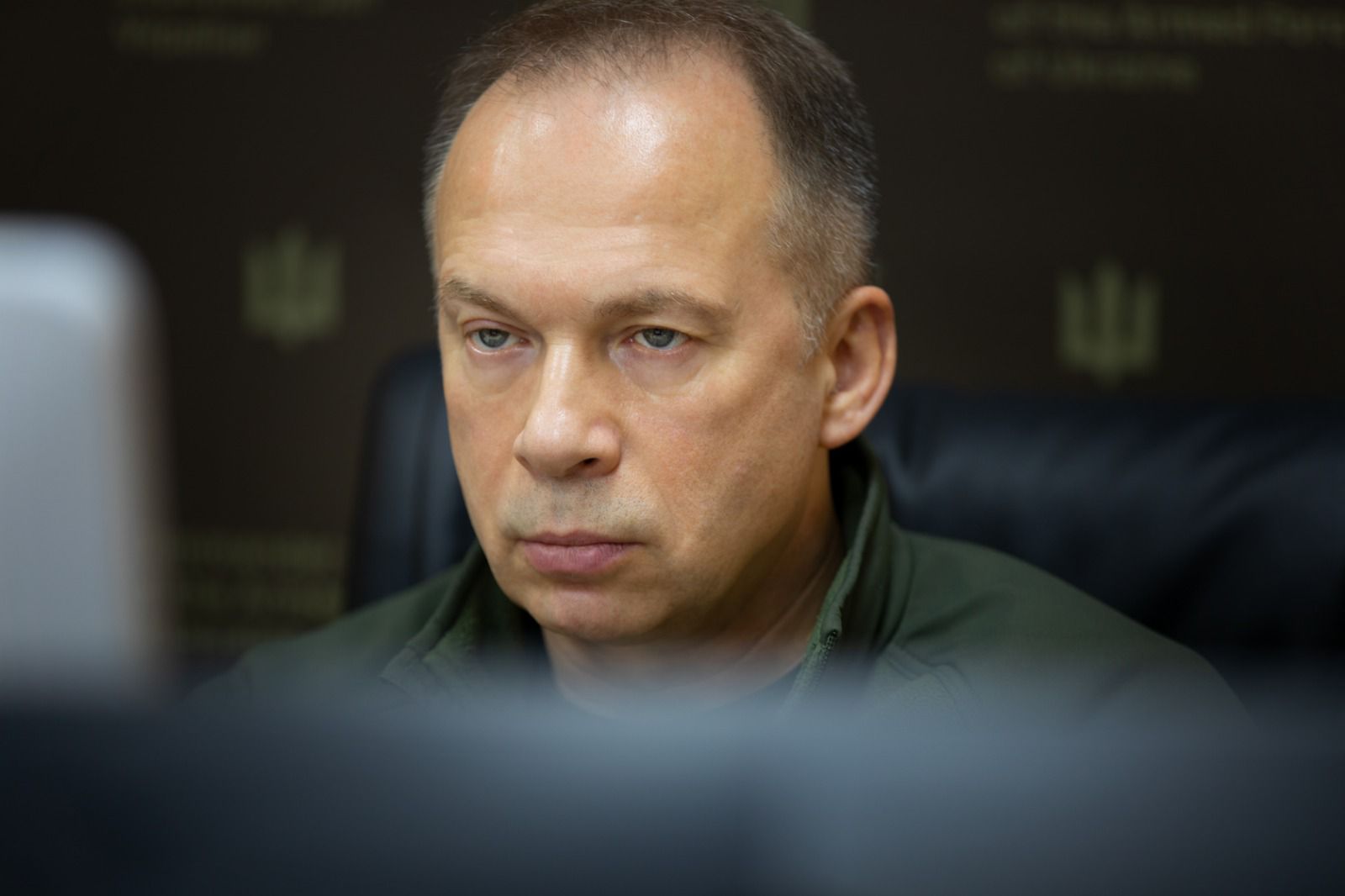
Commander-in-Chief of the Armed Forces of Ukraine Oleksandr Syrskyi reported that Russia plans to recruit another 409,000 servicemen in 2026. This is not just a number — it is an indicator of the Kremlin's intention to maintain the pace of offensive operations and pressure Ukrainian lines in spring and summer.
What the Commander-in-Chief said
"With improving weather conditions we see an increase in enemy activity on the front"
— Oleksandr Syrskyi, Commander-in-Chief of the Armed Forces of Ukraine
Syrskyi also reported on a meeting regarding the state of engineering works on defensive lines. Key tasks include strengthening fortifications, developing anti-drone defenses, and preparing settlements for defense. He acknowledged the existence of "problematic issues" and reported that decisions and timelines for their implementation have been determined.
"The quality and speed of this work affect not only the resilience of our defense but also the lives of our soldiers"
— Oleksandr Syrskyi, Commander-in-Chief of the Armed Forces of Ukraine
Why this matters
Russia's plan to mobilize additional forces means Moscow is not abandoning the idea of continuing operations against Ukraine. In response, Kyiv has outlined a strategy aimed at destroying 50,000 Russian servicemen per month to break the Kremlin's offensive potential. Analysts, including those at Foreign Policy, note that attrition tactics could create political incentives for Moscow to come to the negotiating table — but the risks and costs remain catastrophic.
Operational picture
The General Staff released updated enemy losses: on one of the days they reported -1,710 occupiers, and later — over 1,500. These are unusually high daily figures compared to the 700–900 average in recent months. Command representatives also assess the Russian spring–summer offensive as partially activated, but state that the enemy has not pushed through at any sector of the front.
International context
The diplomatic process is effectively suspended: escalation in the Middle East and heightened tensions in the region have shifted partners' focus. LIGA.net and other outlets analyze how a potential war between the US and Israel and Iran could delay or complicate support for Ukraine. This makes accelerating domestic defensive works an even more important security marker.
What these data change and what to do next
The facts are that the enemy is preparing to build up forces, and therefore Ukraine’s response must be systematic: from fortification and air defense to logistics and mobilizing reserves. Experts agree that it is critically important to turn partners' declarations into concrete contracts and deliveries that will make it possible to accomplish the stated tasks and reduce risks to people at the front.
Summary. The figure 409,000 is not a loud threat in itself, but a marker that Moscow intends to keep acting. Kyiv's response — rapid strengthening of defense, modernization of counter-drone systems, and proactive work with partners — will determine whether we can maintain balance and make the aggressor pay a higher price for every meter.





