What happened
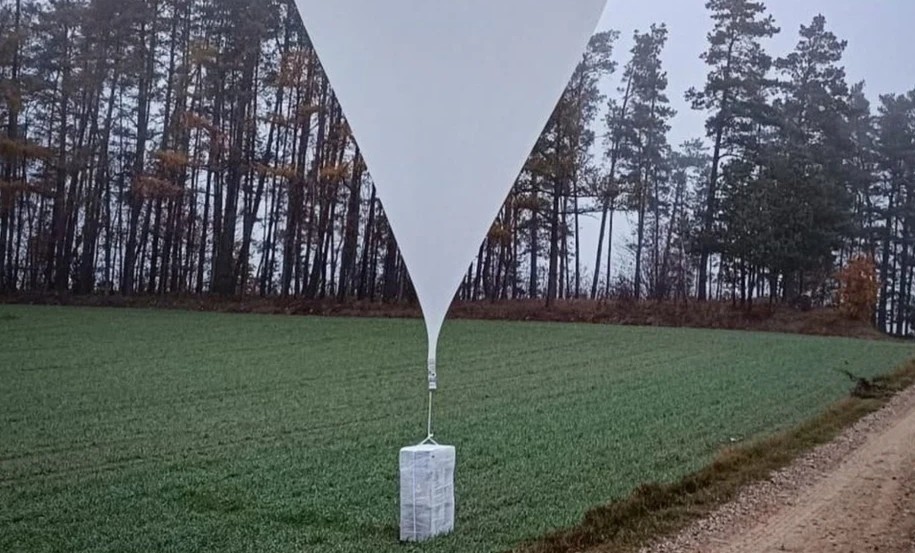
According to RMF 24, about 59 weather balloons arrived in Poland from Belarus, in several cases loaded with contraband tobacco products and equipped with GPS devices for tracking.
On December 26 police and border guards recorded 13 balloons that contained cigarettes, as well as five additional packages. Each package allegedly held about 1,500 packs of cigarettes. Most incidents were detected in the Podlaskie Voivodeship, with four more in the Lublin Voivodeship.
Why it matters
Operational services point not only to the cargo carried by the weather balloons but also to their technical equipment: the presence of GPS devices and the high number of launches may indicate a test of detection and response capabilities. Such incidents place extra strain on sensors and control centers, and in one case in the Lublin Voivodeship a weather balloon caused a power outage affecting part of the population.
“Operational services do not rule out that the launches of weather balloons are a likely test of the response of Polish air-object detection systems.”
— RMF 24, citing operational services
Context and consequences
This is not an isolated case in the region: for example, in November Lithuania recorded mass attacks by weather balloons that twice forced airport closures, and on December 9 the country declared a state of emergency. Lithuanian carriers estimated preliminary losses from the attacks at around €200,000.
For neighbouring states such incidents mean not only response costs but also an increased risk to civil aviation and infrastructure. At the same time, it raises law enforcement and border-control questions: can smuggling channels be cut off while also preventing systematic strain on air defence systems?
What next?
Polish services continue their investigations; analysts advise viewing these cases in two dimensions — as a criminal smuggling scheme and as a possible tactic for testing surveillance systems. For Ukraine and other neighbours, this is a reminder of the need to coordinate border and aviation monitoring, share intelligence, and bolster the resilience of critical infrastructure.
The main question remains open: will such launches remain isolated episodes of criminal activity, or will they become a regular tool of pressure and destabilisation of the region’s airspace?





