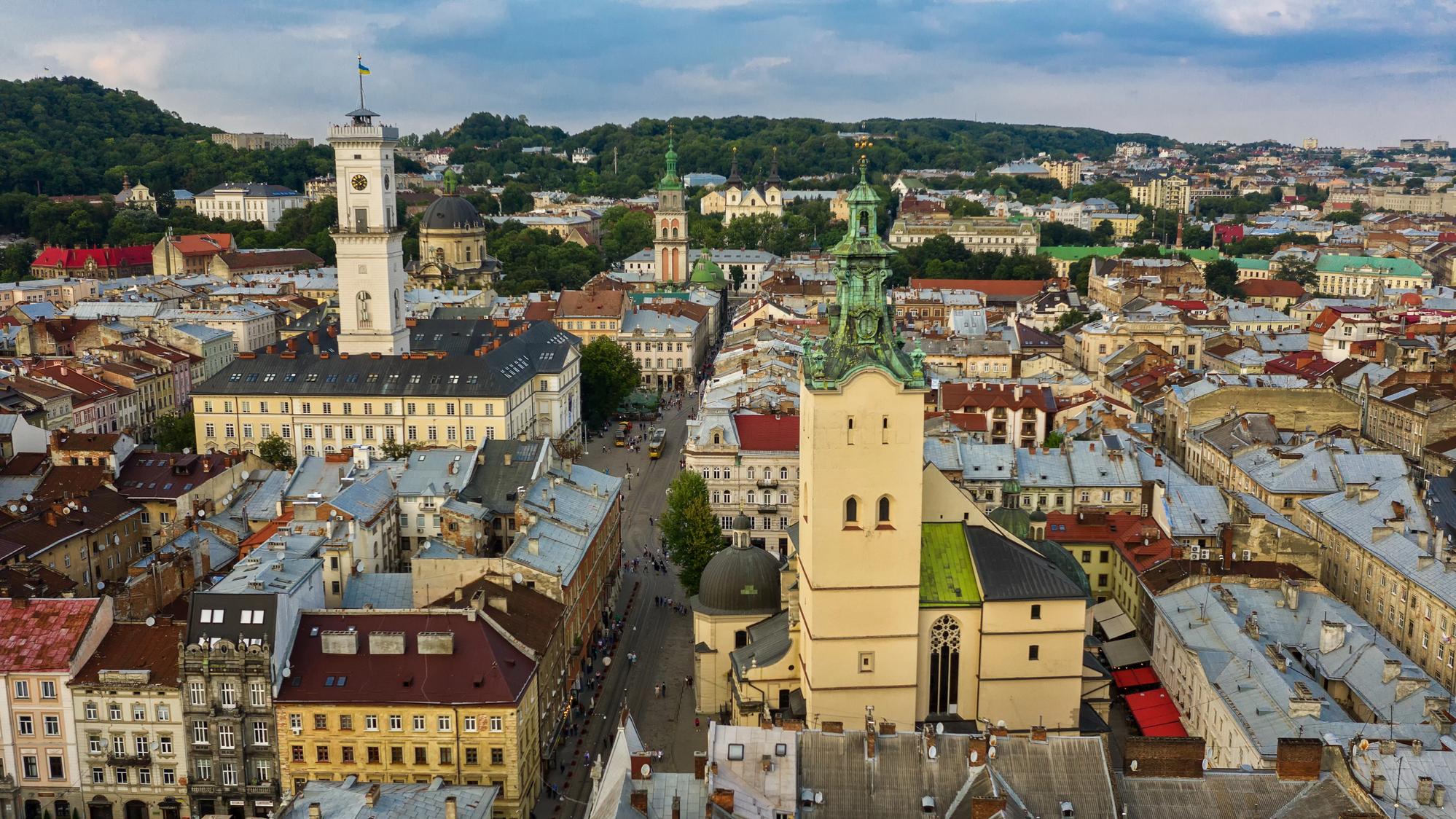
In the first four months of 2026, local budgets received 112 million hrn in tourism tax — 13.1% more than the same period in 2025. This was reported by the State Tax Service of Ukraine. But behind the figure of growth lies a question that is rarely asked: why exactly these regions are leading and who actually pays this tax.
The West pulls forward, everyone else lags far behind
The leaders remain unchanged: Lviv region and Kyiv — 22.5 million hrn each, Ivano-Frankivsk — 18.8 million hrn, Zakarpattia — 10.3 million hrn. Together, these four regions account for over 74% of the total amount. This is no coincidence and not marketing — it is hotel infrastructure that was built over years before the full-scale invasion and now serves domestic tourism.
For comparison: as of the end of 2025, tourism tax replenished local budgets by 359 million hrn — 31.5% more than in 2024. In other words, the trend is not new, but it is accelerating.
How much and who pays
Each community sets the rate independently — within limits tied to the minimum wage. In 2026, for a domestic tourist, the maximum is 43.24 hrn per day (0.5% of the "minimum wage"), for a foreigner — up to 432.35 hrn (5%). The ten-fold difference reflects the logic: a foreigner pays more because they also spend more.
«Tourism tax is an important source of replenishment of local budgets, since its funds are directed directly toward the development of tourist infrastructure of communities».
State Tax Service of Ukraine
Who doesn't pay the tax — and it's legal
The list of those exempt from the tax is quite broad: local residents, business trips with documents, people with disabilities, veterans, participants in the cleanup of the Chornobyl disaster, children under 18, sanatorium patients with official vouchers. Separately — internally displaced persons with IDP status. In conditions where millions of Ukrainians live far from home because of the war, this exemption is not a minor detail but a significant narrowing of the tax base.
Where the money goes — and is there control
All tourism tax revenues remain entirely in local budgets. The directions of spending are at the community's discretion: from road repairs and landscaping to restoration of monuments and development of tourist infrastructure. No centralized mechanism for targeted reporting is provided: formally, a community can direct these funds to any «priority need».
This is the real conflict in this issue. Not that growth is happening — but that there is currently no public tool to verify whether tourism tax in Bukovel or Lviv actually went to tourism infrastructure rather than to plugging budget holes.
If communities start publishing detailed reports on how tourism tax is spent — or if the Ministry of Development integrates this data into the tourism dashboard that already exists — then 13% growth will become an argument. Until that happens, it's just a pleasant figure in a State Tax Service press release.