Why this is worth reading today
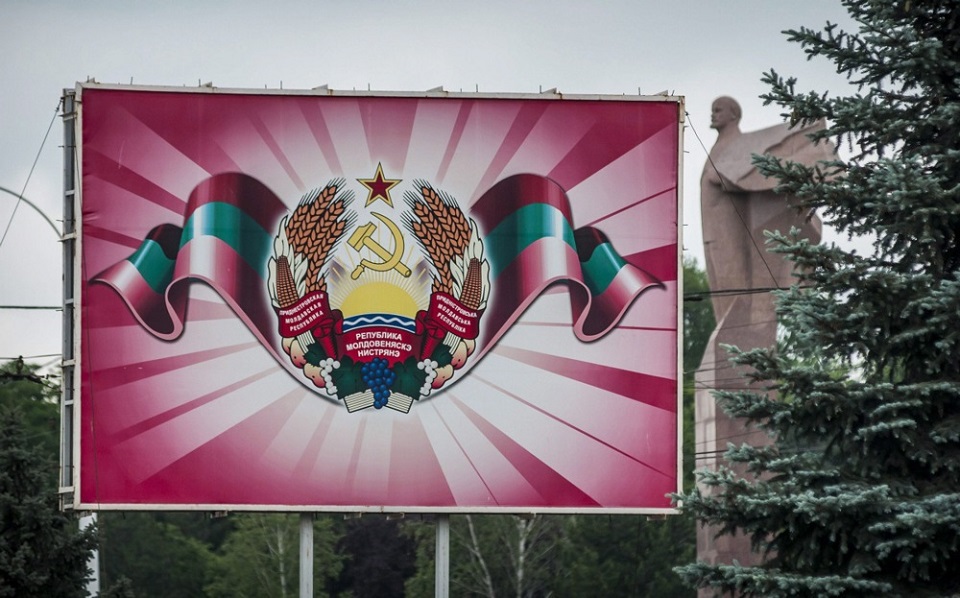
The message about ramping up work with unmanned systems in Transnistria comes from Ukrainian and Western sources. This is not just a technical trend — in a region where a Russian contingent is present, any new capability automatically acquires geopolitical significance. For residents of southern Ukraine and for politicians the issue is not theoretical: it concerns a tool that could increase the risk of provocations or change the balance of deterrence.
What experts say
"Recently information has emerged that they have also begun working on developing their UAV capabilities. It's hard to say whether this is a nod to modern warfare trends or preparation for provocations from Transnistria. This should be monitored."
— Oleksii Melnyk, military analyst at the Razumkov Centre (in a comment to LIGA.net)
"The Russian grouping in the region numbers 10,000 personnel. Western analysts tend to believe this grouping is combat-capable. They may have up to 100 T‑64 and T‑72 tanks on their books. The nuance is that Moldova has no tanks at all."
— a serviceman of the 413th Regiment 'Reid' and weapons expert, Defense Express
Possible motives: why Russia is investing in UAVs here
Reaction to trends. Unmanned systems are a cheaper way to increase reconnaissance and strike capabilities in a local theatre. Even a limited fleet of drones can change the operational picture.
Preparation for provocations. Strengthening the unmanned component enables escalation below the threshold of a full-scale invasion: strikes on infrastructure, reconnaissance flights, cyberattacks paired with electronic warfare.
Political pressure. Demonstrating capabilities in the border zone is an instrument of diplomatic pressure on neighboring capitals and on the positions of international partners.
What this means for Ukraine and how to respond
Short answer: heightened vigilance and strengthened deterrence. According to Melnyk, Ukrainian Bessarabia, which borders Transnistria, could become an additional element of deterrence. It's a combination of local readiness, intelligence, and international presence outside the combat zone.
On 13 June 2025 the president of Moldova confirmed the risk of additional deployment of Russian troops in unrecognized Transnistria, and in July the country's leader said that real negotiations between Russia and Ukraine could open the way to the withdrawal of those forces. This means: diplomacy and intelligence are working in parallel — but time is working against inaction.
Conclusion — forecast
The UAV experiment in Transnistria is a signal that requires an adequate response: investment in intelligence, strengthening air and electronic monitoring in the south, and coordination with partners on deterrence mechanisms. Whether this will be enough to deter escalation depends on the speed of decisions and the readiness of the international community to turn declarations into concrete deterrence measures.





