Court decision
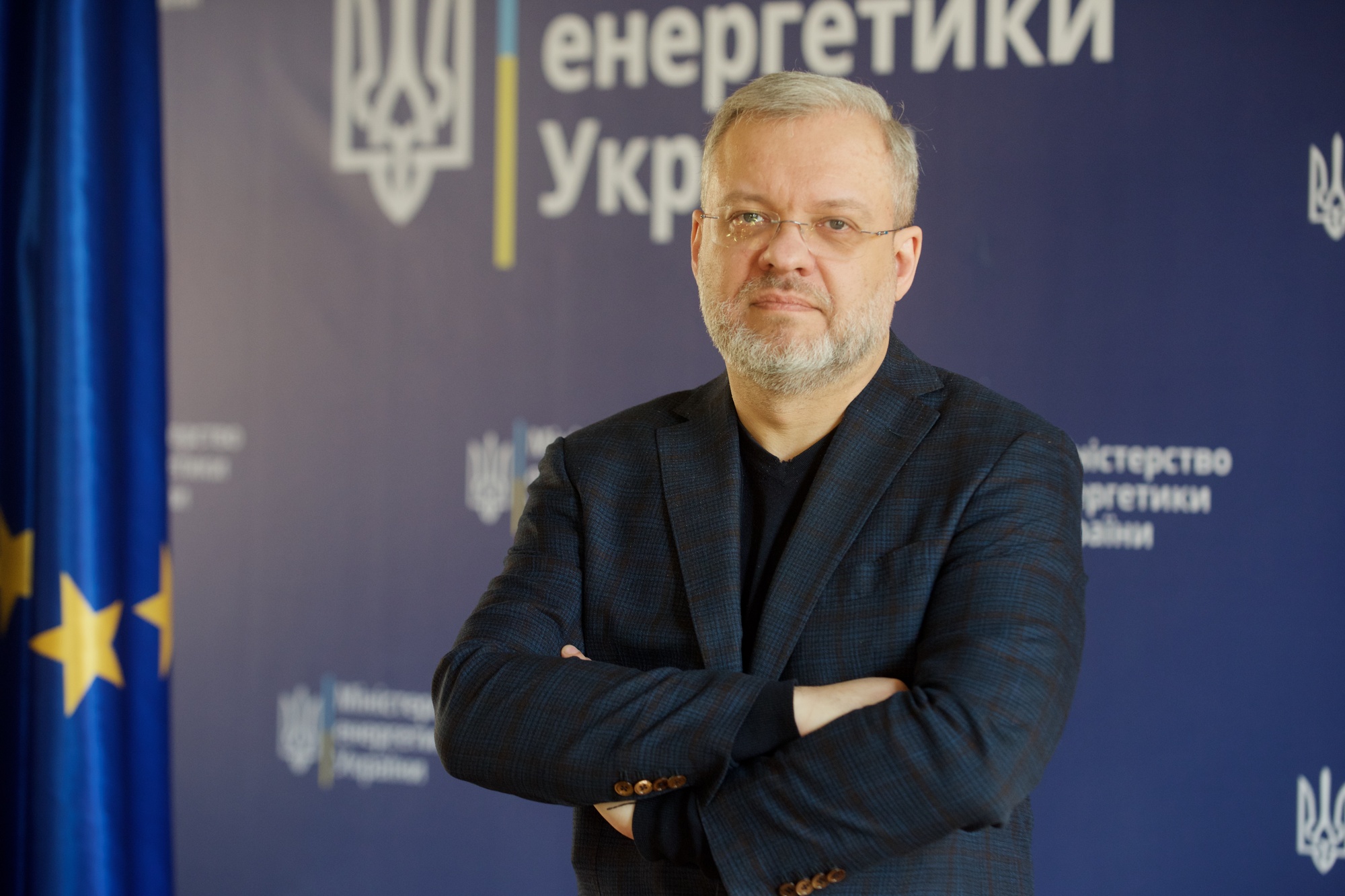
On February 17 the High Anti-Corruption Court (HACC) chose a preventive measure for former energy minister Herman Halushchenko. The court ordered 60 days in pre-trial detention with an alternative — posting bail in the amount of UAH 200 million. This decision was announced during the live broadcast of the hearing.
“I would have found 20 or 30 million UAH for bail”
— Herman Halushchenko, former energy minister
What the prosecution requested
The Specialized Anti-Corruption Prosecutor's Office (SAPO) petitioned for arrest with the possibility of bail of UAH 426 million. The difference between the amount requested by the prosecutor and that set by the court reflects an assessment of risks and the evidentiary base at this stage of the process.
Brief chronology of the case
According to the court broadcast and law enforcement reports: on November 10, 2025 NABU carried out massive searches as part of an investigation into corruption in the energy sector. On November 19, 2025 parliament dismissed Halushchenko amid the corruption scandal; before that he had served as minister of energy from 2021 until July 2025. On February 15, 2026 the ex-minister was detained while attempting to cross the border, and the next day he was served with suspicions of money laundering and participation in a criminal organization.
Why it matters
First, this is not only about personal responsibility — it is about trust in a sector that is critical for the economy and the state's security. Second, large bail amounts and bringing criminal charges send a signal to international partners and investors about how effectively Ukraine's anti-corruption infrastructure is working.
Third, for law enforcement and the judicial system this is a test of consistency: whether investigators and courts will be able to bring complex financial crimes to a verdict without losing speed and the evidentiary base.
What to expect next
The defense has already announced its intention to appeal the decision and insisted on a non-custodial measure. There are several logical scenarios: an appeal, attempts to post bail, or further procedural steps by investigators — additional searches and requests for documents. For the public and the market it is important to follow not only the emotional component, but the evidence, timelines and the parties' arguments.
Conclusion
This case is more than a criminal proceeding against an individual. It tests the state's ability to ensure accountability in a critical sector and to protect the public interest during and after the war. Whether declarations about fighting corruption will turn into concrete decisions is a question Ukrainians and international partners will be waiting for.





