Main point of the statement
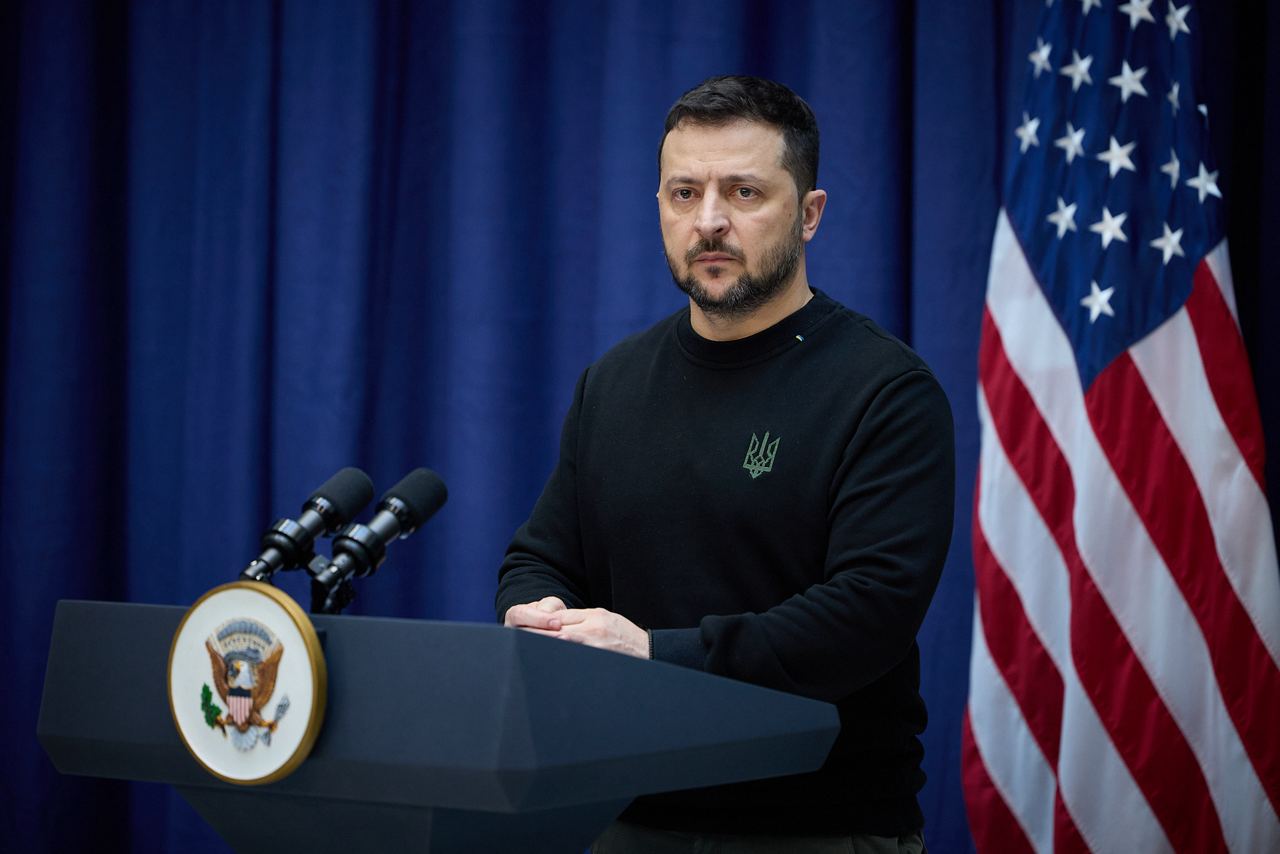
In an interview with Axios on February 17, President Volodymyr Zelensky said that Russia agreed only to one day of ceasefire to hold elections in Ukraine. Kyiv, according to the president, is ready to hold voting provided a long truce — about 60 days — to ensure security, logistics and international guarantees.
What this means
Zelensky called the Kremlin’s one-day ceasefire absurd — such an offer does not allow time to transport ballots, for observers to work, or for safe voting. It is a symbolic figure: it indicates not a willingness for a real ceasefire, but a desire to formalize the procedure without guarantees of its implementation.
"Russia agreed only to one day of ceasefire — this is absurd. It shows that Moscow is not ready for real peace."
— Volodymyr Zelensky, President of Ukraine
Political context: elections, referendum and parliament
Ukrainian law prohibits holding elections during martial law. Zelensky did not rule out his participation in possible new presidential elections — "it will depend on the people" — but emphasized that questions of the format and security of voting must be resolved primarily through security guarantees and international observation.
"I think that if we include in the document a clause that we will adhere to the existing line of contact, then, I think, people will support this in a referendum."
— Volodymyr Zelensky, President of Ukraine
At the same time, the Rada is discussing the possibility of a one-off law on holding elections during the war — but such a provision must be accompanied by concrete guarantees. Against this backdrop, other signals have appeared in the public sphere: in December 2025 former U.S. President Donald Trump spoke about the advisability of holding elections in Ukraine, to which Zelensky replied that readiness also depends on ensuring security with the support of partners.
Public opinion and risks
On February 15, 2026 the president said that, in his assessment, about 90% of Ukrainians are against holding elections during the war. Even if political elites reach an agreement, public legitimacy must remain the key factor: without it the results may be perceived as imposed or illegitimate.
Why this matters for the reader
The question is not only about personalities or timing. It is about whether elections will be fair and safe, and whether they will become a tool to legitimize agreements that undermine Ukraine’s security. While the Kremlin offers a symbolic "ceasefire," Kyiv needs real guarantees, and partners need clear mechanisms to provide them.
What next?
The most likely scenario is negotiations over the voting format and, simultaneously, demands for concrete international guarantees. If agreements are not accompanied by control and security mechanisms, elections risk becoming a political trap. Now the ball is in the partners' court: will they agree to turn declarations of assistance into clear guarantees that will allow Ukraine to choose without risking lives and sovereignty?





