In brief
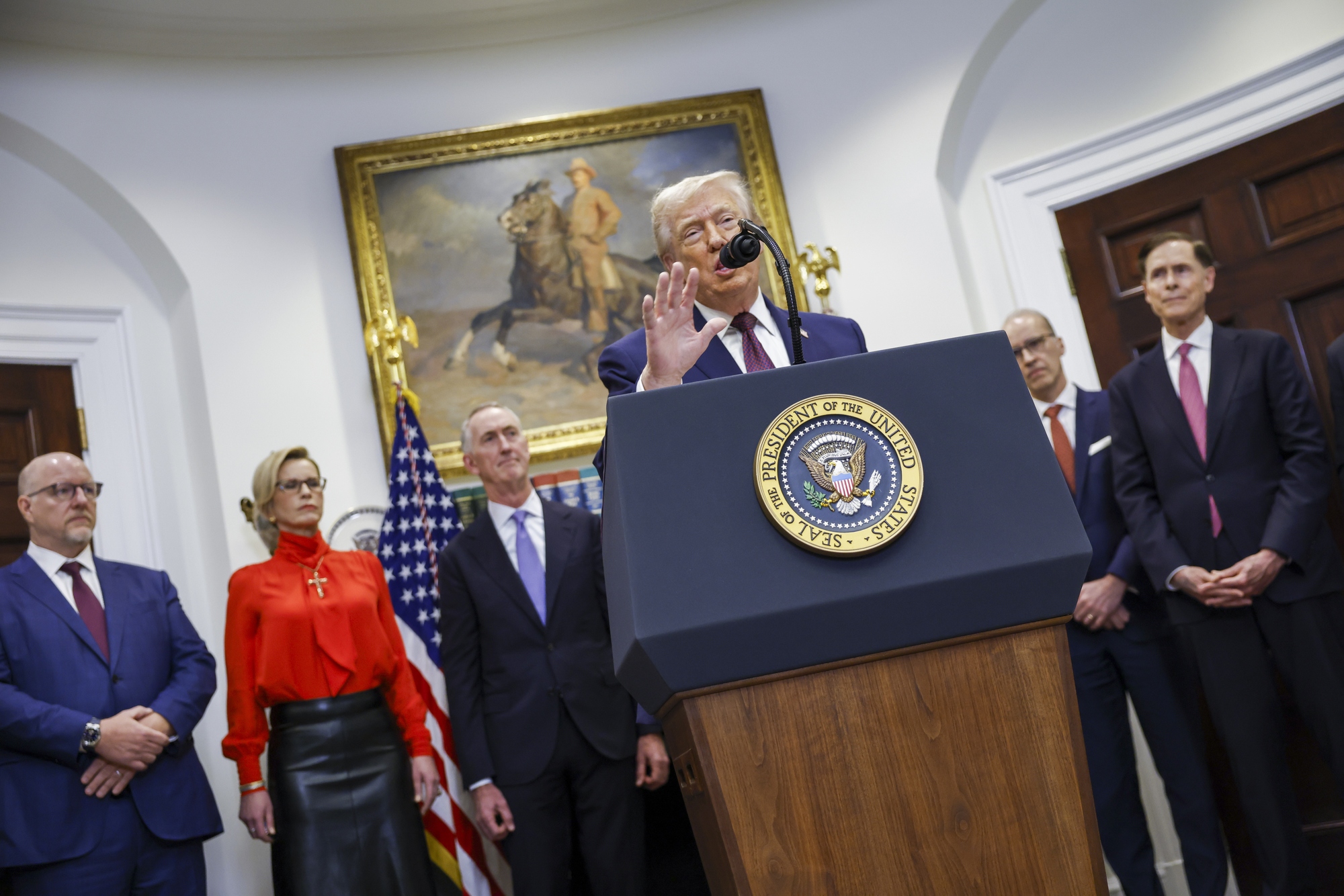
Channel CBS News, citing unnamed sources, reported that U.S. President Donald Trump approved air strikes on targets in Venezuela several days before the operation actually began on the night of January 3. There were no official comments from the White House or the Pentagon at the time of publication.
"U.S. President Donald Trump ordered strikes on targets in Venezuela early on Saturday morning."
— CBS News, citing unnamed sources
What is known and why it matters
According to reports, the military had planned the mission even for Christmas, but postponed it — partly because of the U.S.'s priority strikes on ISIS positions in Nigeria. This gives an insight into how the Pentagon sets priorities: operational flexibility and the ability to rapidly redeploy resources sometimes take precedence over planned actions.
"The U.S. Senate Armed Services Committee was not informed in advance of any potential military action in Venezuela."
— CNN, citing an unnamed source
If this information is confirmed, it raises questions about control over decisions to use force: how much do the president's operational decisions align with congressional oversight, and what political risks does this create for the administration.
Consequences for the region and beyond
The strikes in Venezuela's capital, reported as explosions and partial blackouts in Caracas, have several simultaneous effects: they increase tensions in Latin America, create a precedent for interventions outside Iraq/Syria, and test the reactions of international actors, notably Russia and China. For Ukraine, this is a reminder: partners can make rapid forceful decisions outside traditional theaters of operation — this affects global power alignments and diplomatic priorities.
What to watch next
- Whether the White House and the Pentagon will confirm the attribution and scale of the strikes. - Whether Congress will launch an investigation or hearings regarding notification and jurisdiction. - How regional players and international partners (including Russia and China) will react, which could determine further escalation or diplomatic pressure.
This is a story not only about one night and not only about Latin America — it is a signal about how Washington's military-political priorities are being formed under new conditions. The response of Congress, the positions of allies, and the Pentagon's next steps will determine whether this remains an isolated action or turns into a longer-term strategy.