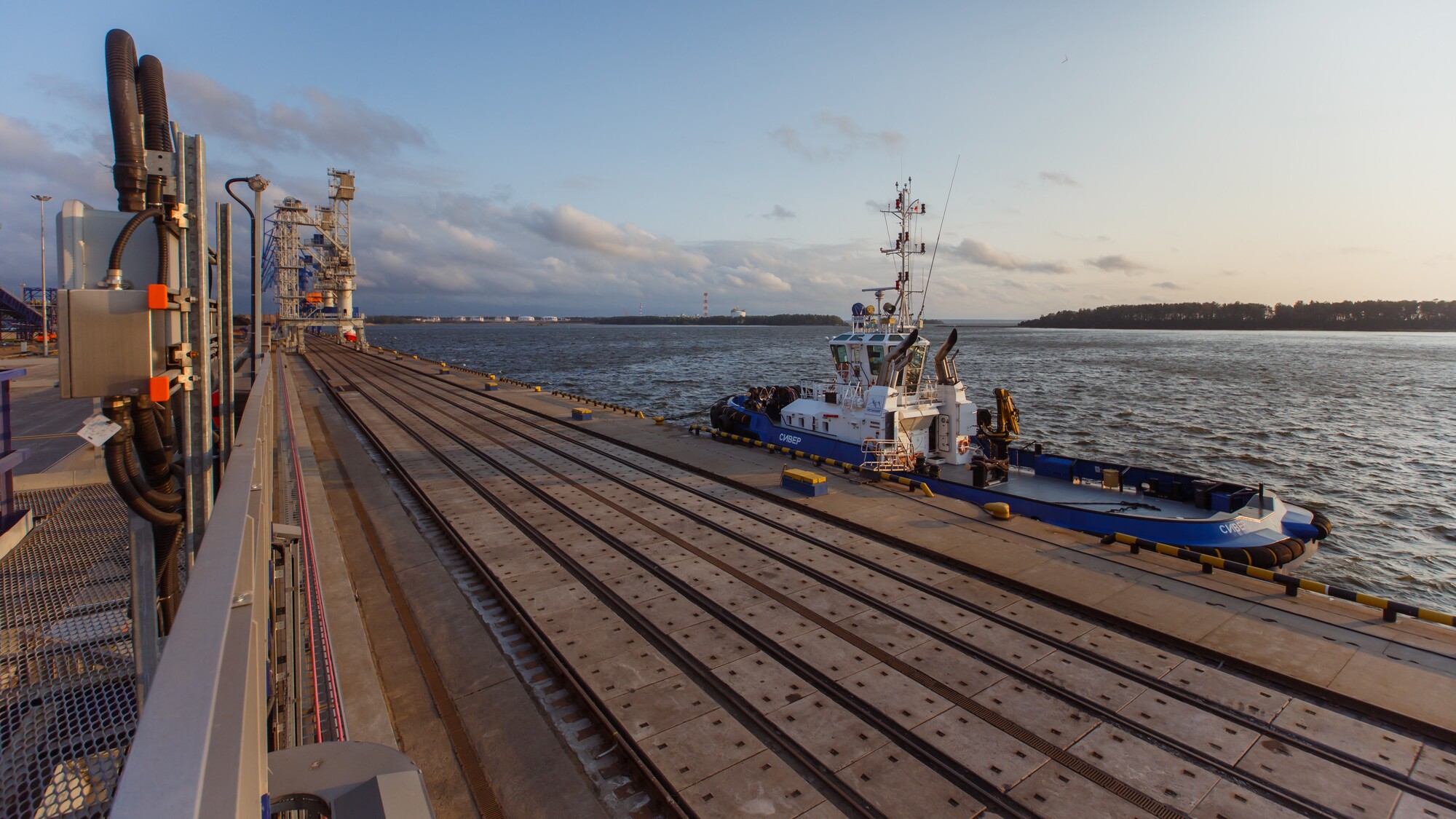
The Governor of Leningrad Oblast, Alexander Drozdenko, reported a drone attack on the Vysotsk port in Vyborg Bay in the Baltic Sea. The official Russian side did not provide details about the extent of damage — a standard practice that makes it difficult to assess the real impact of the strike.
Vysotsk is a small but functional hub in northwestern Russia. The port handles cargo transportation in waters that have gained additional importance after the full-scale invasion: some of Russia's Baltic routes have been cut off by sanctions and Finland and Sweden's accession to NATO, making the preservation of every operational terminal a more sensitive issue.
The strike occurred against the backdrop of a series of attacks on facilities in Krasnodar Krai, Bryansk and other regions — on the same day, Russian sources recorded drone activity in several regions simultaneously. The geographical expansion of targets, from the Black Sea to the Baltic Sea, indicates a change in the logic of attacks: pressure not only on the front-line depths, but also on infrastructure hubs critical for imports and re-exports.
The Baltic direction is special because it is through this route that Russia continues to conduct part of its trade operations, including those related to circumventing sanctions through third countries. Damage to or even temporary incapacitation of port facilities in this region is not a symbolic gesture, but a strike against a specific supply chain link.
The question that remains open: if attacks on Russia's Baltic infrastructure become systematic — will NATO countries, through whose waters the routes pass, respond by changing the rules for monitoring and interception?





