Negotiations and result
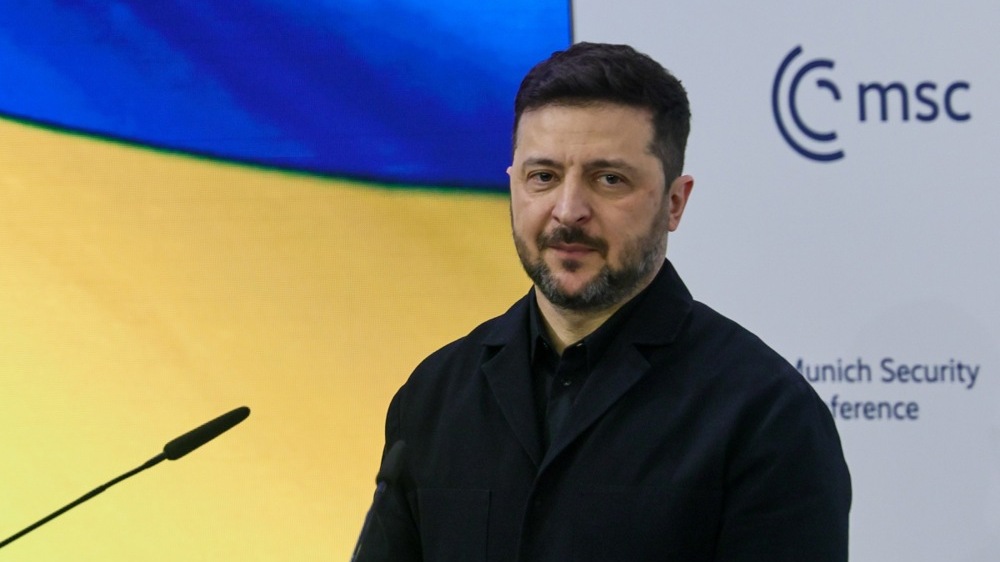
On March 28, President Volodymyr Zelensky announced that during talks with the Gulf countries Ukraine has secured supplies of diesel for at least a year. This decision has a direct logistical and security component — it concerns the fuel that keeps the front and the economy moving.
“Yesterday I secured diesel for at least a year. And further it is already a matter for our companies and local companies.”
— Volodymyr Zelensky, President of Ukraine
What is already known
According to the president, Ukrainian companies already have supply contracts, but the external agreement is needed as insurance in case of shortages. Ukraine does not have large fuel reserves due to regular strikes by Russian forces, so stable deliveries are, first and foremost, a matter of operational security at the front.
Impact on the military and the economy
The president also assured that at present there are no complaints from the Armed Forces of Ukraine about fuel shortages — the troops are supplied at 100%. Meanwhile, economic consequences are already visible: LIGA.net warned that rising fuel prices increase the cost of transporting and producing bread, and bread prices could rise by 5–10% in the coming weeks.
“Because of the fluctuations we are forced to sell diesel at a loss.”
— Volodymyr Petrenko, founder of the UPG network (interview with LIGA.net)
Risks and next steps
The key now is to turn the political agreement into concrete contracts, logistics and mechanisms for controlling deliveries. Even an annual volume requires transparent routes, payment guarantees, and protection of infrastructure from strikes.
Conclusion
The agreement reduces the likelihood of a fuel shock for the front and provides temporary relief for logistics and the agricultural sector. But this does not replace the need for reserves, diversification of supplies and control over pricing. Whether it will be possible to turn a diplomatic promise into long-term energy resilience is the main question for the coming months.





