Introduction
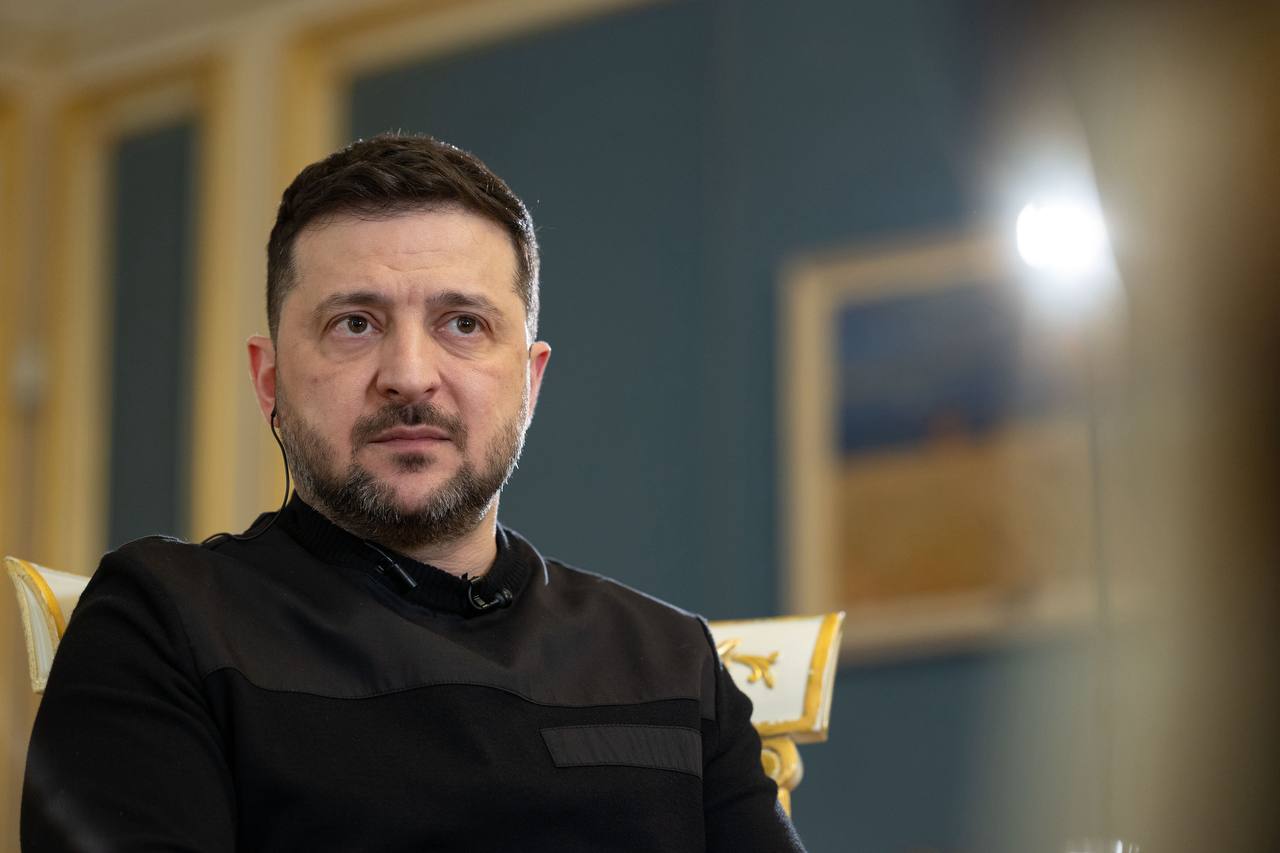
On March 28 Volodymyr Zelensky commented on accusations by Senator Marco Rubio that cast doubt on his remarks about possible security guarantees from the United States. This exchange is important not as an emotional political episode, but as a marker of what future negotiations will look like and under what conditions partners are ready to provide support.
What Zelensky said
The president outlined his position clearly: he did not mislead the public, but presented the portion of information he deemed appropriate. According to him, the situation regarding guarantees should be clear: official mechanisms can come into force only after the cessation of hostilities, while Russia demands that Ukraine withdraw as a precondition for a ceasefire.
"I did not lie to anyone and I do not have that habit. Maybe it was perceived in a way that the Americans were supposedly pressuring us to withdraw (from the Donbas — ed.), and that only then would there be security guarantees. No, I'm not saying that they are not putting pressure on us."
— Volodymyr Zelensky, President of Ukraine
Rubio's reaction and chronology
On March 25 the president said that the U.S. was allegedly ready to provide guarantees, but on one condition — the withdrawal of Ukrainian forces from part of the Donbas. The next day, March 27, Senator Marco Rubio sharply refuted that interpretation, calling claims about automatic guarantees in exchange for withdrawals inaccurate.
"He was told the obvious: security guarantees will not begin to operate until the war is over."
— Marco Rubio, U.S. Senator
Context and why it matters
Two key factors meet here. First, the American position — guarantees as an instrument have legal and political limits; they more often concern long-term arrangements after a ceasefire, rather than immediate "pretexts" for withdrawal under pressure. Second, Russia's demands — it is demanding the withdrawal of Ukrainian units as the price for ending hostilities. This creates a logical conflict: are partners willing to recognize guarantees that de facto stem from concessions on the battlefield?
Analysts and Ukrainian experts note that the difference between public formulations and "quiet agreements" can become a subject of manipulation both for domestic audiences and for international partners. LIGA.net has already explained why Europe is rethinking its dependence on American guarantees and what scenarios are opening up for Ukraine.
What this means in practice
In short: verbal disputes will not eliminate Ukraine's need for two things — support for military capability and the ability to transform political guarantees into concrete instruments (treaties, defense packages, control mechanisms). If guarantees are postponed "after the war," the key becomes the ability to hold positions now, so as not to trade territory for declarations.
Conclusion
This episodic dispute between the President's Office and certain American politicians underscores a substantive discussion: guarantees are not an instantaneous political action, but a complex package of political and legal decisions. The next move is for Ukrainian diplomacy and its partners: how to turn public statements into security mechanisms that are understandable to citizens and safe for the state?





