What happened
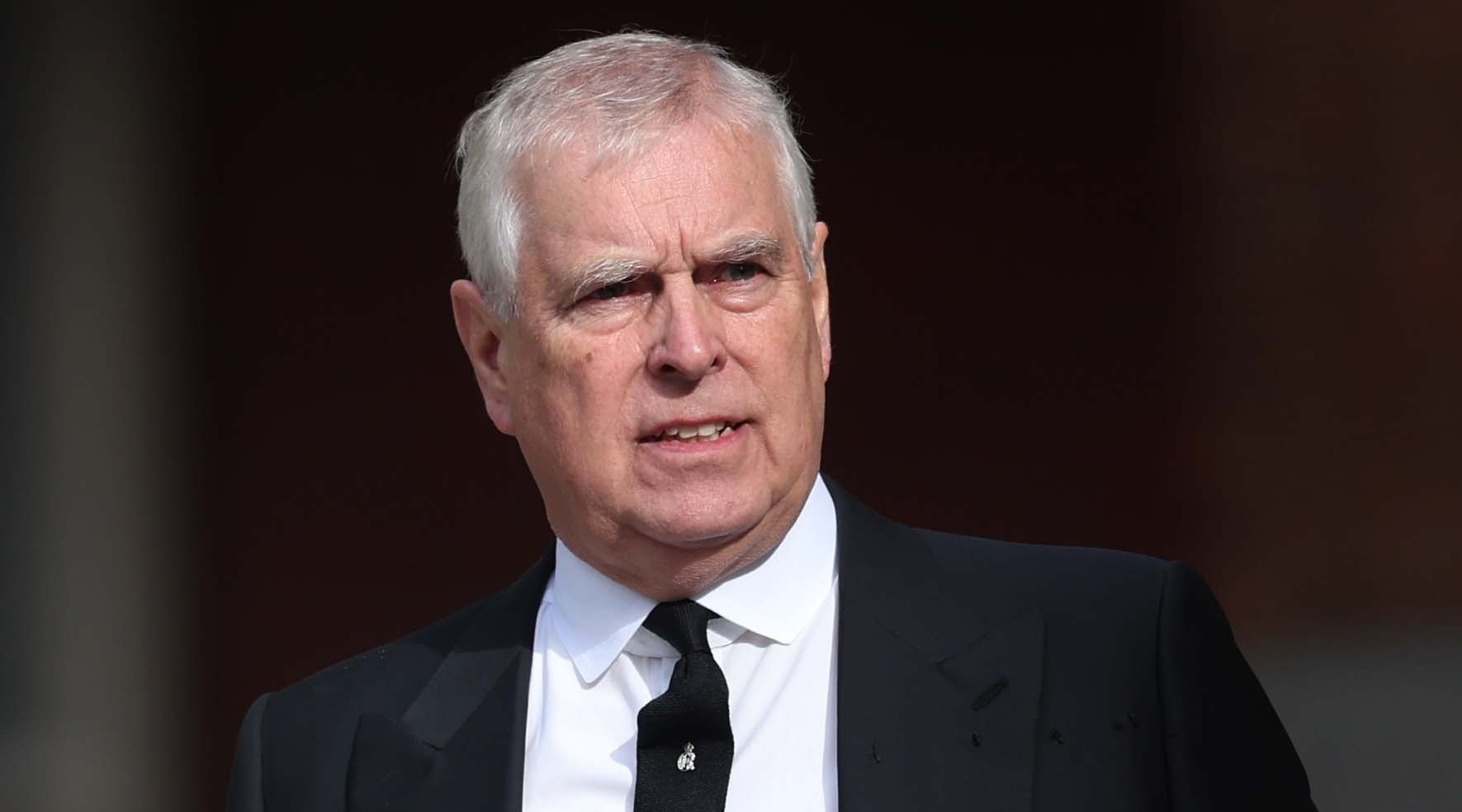
Former Prince Andrew (Andrew Mountbatten‑Windsor) was arrested on 19 February — the very day of his 66th birthday — as part of an investigation that, according to the BBC, concerns suspicion of abuse of public office and the possible passing of confidential government documents to Jeffrey Epstein. Thames Valley Police are conducting searches at addresses in Berkshire and Norfolk; Norfolk Police are providing operational support.
Details of the arrest and procedure
According to the police and expert commentary, the ex‑prince was placed in a temporary custody cell. The investigation is being conducted within the criminal process — at present this concerns the arrest and subsequent operational actions, after which he will either be charged or released pending completion of checks.
"The maximum period of detention is 96 hours. In most cases suspects are detained for 12 or 24 hours, after which they are either charged or released pending further investigation. There will be no special treatment for him."
— Denny Shaw, police commentator (via BBC)
Context: what has already happened
This is not the first blow to Andrew's reputation. In October he relinquished the title Duke of York amid allegations related to his ties to Epstein. In November it became known that he was stripped of his last military rank — Vice‑Admiral of the Royal Navy. The new procedural steps mean the investigation has moved to a qualitatively different level.
Why this matters
This arrest is not just a story about one person. It calls into question the mechanisms that protect the elite and how capable public institutions are of establishing accountability regardless of a suspect's status. For citizens, it is a question of trust in the justice system; for the monarchy, a reputational challenge.
What next
We expect either formal charges or the release of the suspect after the initial investigative actions are completed. In any case, the case serves as a reminder: the rule of law is tested on real cases, not declarations. Leading British media — notably the BBC — and legal circles are analysing the situation, paying attention to procedures and precedents.
Conclusion. The arrest of Andrew is a signal that even those who have long enjoyed privileges can find themselves under the spotlight of justice. The question is whether these processes will turn into systemic accountability or remain isolated reputational blows. For society, this is a test of the strength of institutions — and an example that deserves the attention of anyone who values the rule of law.





