What happened
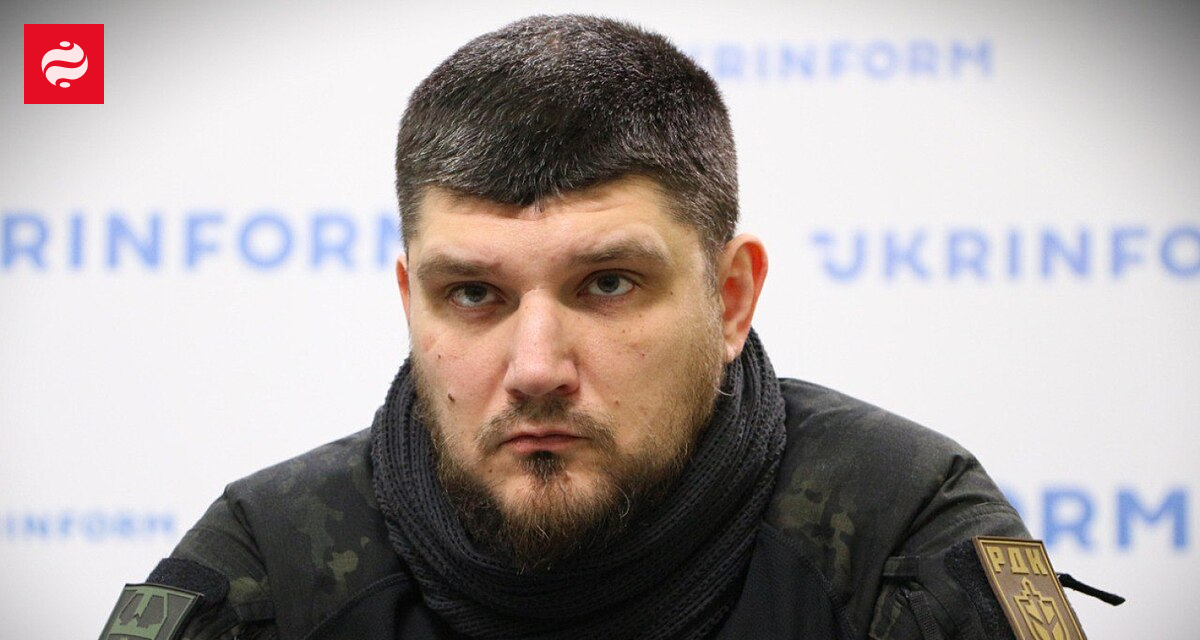
According to the Main Intelligence Directorate of the Ministry of Defense of Ukraine (GUR), Denis Kapustin, commander of the Russian Volunteer Corps (RDK) who is fighting on the side of the Defense Forces, is alive after an attempted contract killing. GUR reports that the operation, which lasted more than a month, was commissioned by Russian special services; about $500,000 was allocated to carry out the crime. The intelligence service has identified the circle of commissioners and perpetrators.
"RDK commander Denis Kapustin is alive. As a result of a months-long counteroperation his life was preserved, and the circle of persons — the commissioners and perpetrators of this attempt — has been identified"
— Main Intelligence Directorate of the Ministry of Defense of Ukraine
Why this matters
This is not an isolated criminal case — it is part of a systematic campaign by Russian special services to eliminate key figures who oppose the Russian Federation. The sum of $500,000 and the duration of the operation indicate the resources and determination behind this approach.
For Ukraine this case has several practical implications: first, it confirms the ability of our intelligence agencies to intercept complex threats and protect valuable personnel; second, it highlights vulnerable points in security chains that require strengthening (counterintelligence, personal security, coordination with partners); third, it provides grounds to document practices of external terror in international fora.
What this means for security and policy
Analysts and former intelligence officers note: when an aggressor state allocates such funds to eliminate a specific commander, it signals an intent to break not only leaders but also the opponent’s motivation and command systems. At the same time, the foiled operation is an image and practical blow to the methods of Russian intelligence.
What next
Several questions remain: how deeply do the established links of the perpetrators reach into the environment of Russian special services, and which international mechanisms for holding them accountable will be used. For the defense community, practical steps are important — strengthening personal security for key commanders, exchanging intelligence with partners, and documenting facts for sanctions and international appeals.
Thus, the key question is not that the incident occurred, but how the state and partners will turn this information into preventive measures.





