Putting Emotions Aside: What Happened in Iran and Why It Matters
Reuters reported that on Friday, January 9, Iranian authorities effectively cut the country off the internet to suppress mass protests. Telephone service was disrupted, at least six flights between Dubai and Iranian cities were canceled, and local news sites were working intermittently.
Protests that began in late December over a sharp rise in inflation have escalated into the largest unrest in several years: human rights organizations report up to 35 dead and more than 1,200 detained. State television is publishing videos of fires and damage — from vehicles to bank branches and metro stations.
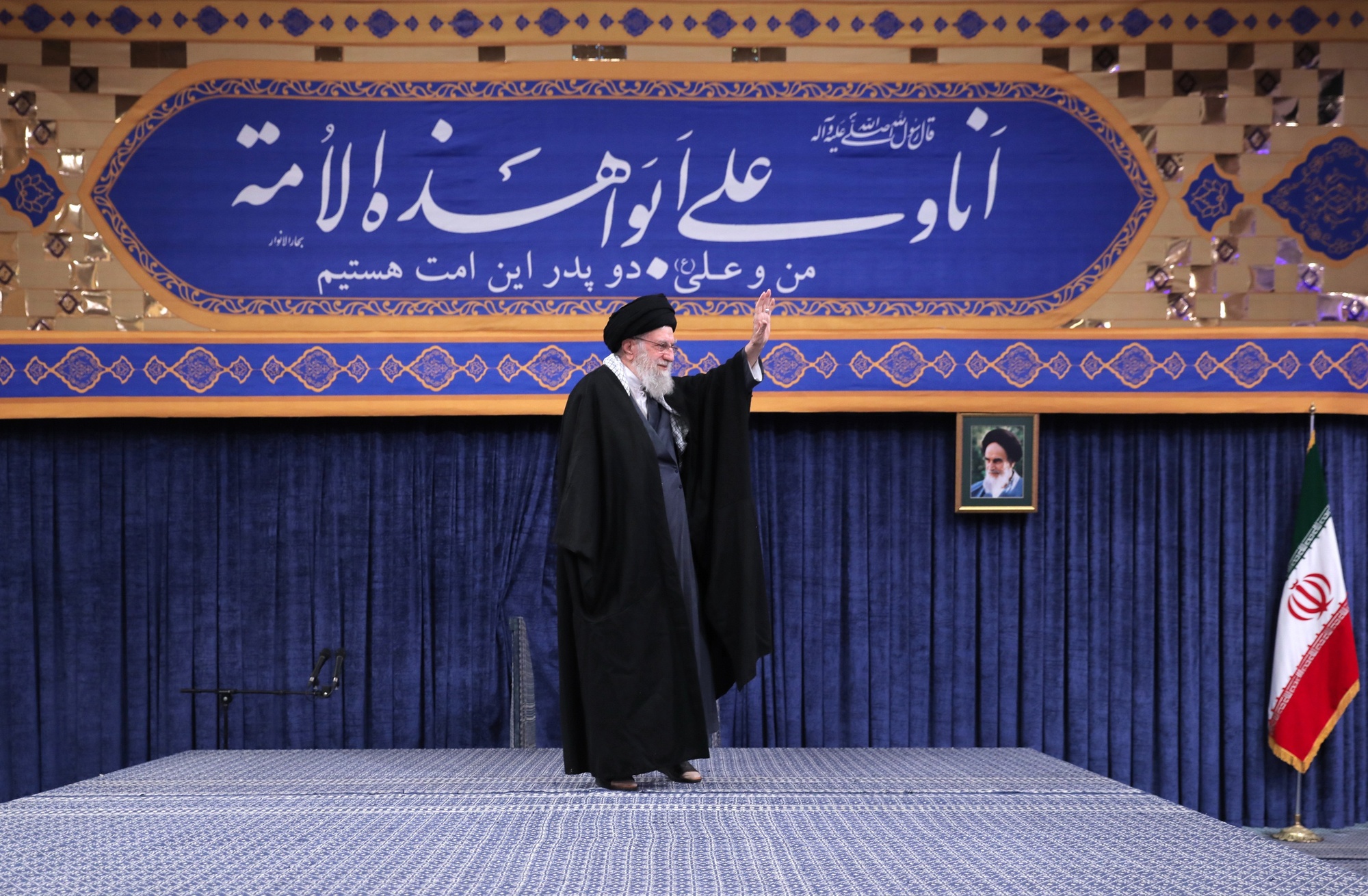
"Last night in Tehran a group of vandals and rioters came and destroyed a building that belonged to the state, to the people themselves, simply to curry favor with the President of the United States"
— Ali Khamenei, Supreme Leader of Iran
The regime accuses protesters of acting to the benefit of external enemies, specifically in the interests of Donald Trump. Such messages serve two functions: to legitimize the use of force in the eyes of their own audience and to delegitimize the protest as 'imported.' Experts note that shutting down the internet is a standard tool to disrupt protest coordination and to complicate documentation of human rights violations.
"The world's gaze is upon you. Take to the streets"
— Reza Pahlavi, opposition figure in exile
Against the backdrop of renewed international sanctions and an economic crisis, the current actions have a pronounced socio-economic character. An unnamed French diplomat urged Tehran to exercise maximum restraint, and the United States and other players are closely watching developments.
What matters for Ukraine: On January 8 the Ministry of Foreign Affairs urged Ukrainians to leave Iran due to a deterioration in the security situation. Network shutdowns and problems with air connections complicate evacuation and consular assistance — this is a direct threat to citizens abroad and a challenge for diplomatic services.
Analysis and outlook
The internet shutdown and restrictions on air traffic are not accidental, but part of the regime's toolkit for controlling information and the space of protest. For the region, this raises the risks of destabilization and affects humanitarian and trade chains. For Ukraine, it is a reminder of the vulnerability of its citizens abroad and of the need for prompt coordination with international partners.
Going forward, it is worth monitoring reports from Reuters and other international outlets, human rights organizations' reports, and official appeals from the Ministry of Foreign Affairs. Whether the world can turn attention into practical support for Iranian society is a question on which the next steps and the scale of consequences will depend.





