What happened
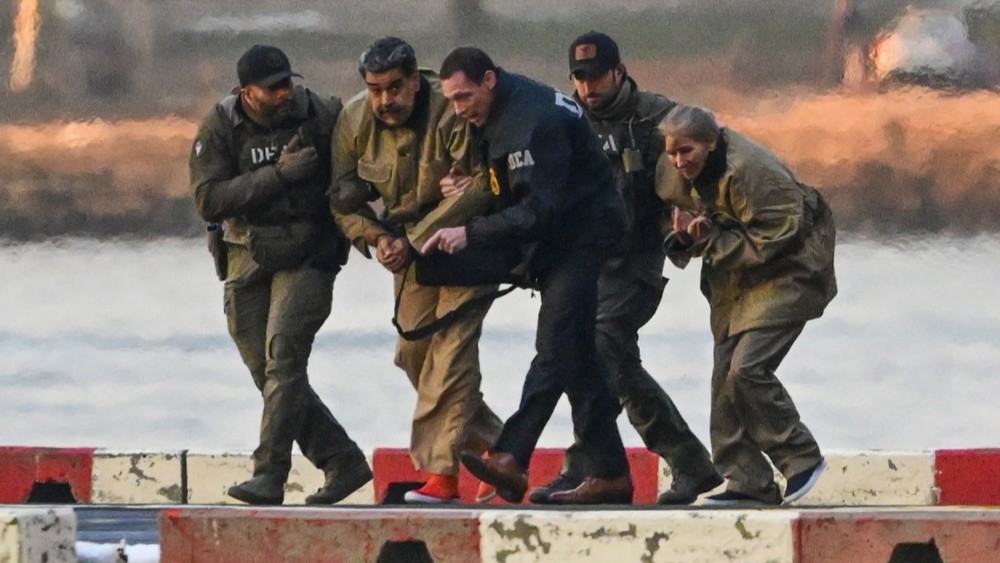
The first hearing on the charges against Venezuelan President Nicolás Maduro and his wife Cilia Flores took place in a federal court in Manhattan, New York. According to ABC News, the couple were brought to court following an arrest operation: flown by helicopter to the area and driven by armored vehicle directly to the courthouse.
At their first appearance, the defendants categorically denied the charges and insisted on their titles. The judge temporarily ordered them detained; motions for release on bail have not yet been filed. The next hearing is scheduled for March 17.
According to the official indictment, Maduro, Flores and four other defendants are accused of conspiring with brutal, dangerous drug traffickers for roughly 25 years. The list of the accused includes, among others, Maduro’s son, two high‑ranking Venezuelan officials and the alleged leader of the criminal group Tren de Aragua.
"I am innocent. I am not guilty. I am a decent person. I am still the president of my country."
— Nicolás Maduro, President of Venezuela (delivered through an interpreter)
What this signals
This case is not just a criminal matter. For international law it is a test of how far‑sighted and coordinated the West is in its readiness to hold regime leaders accountable who, according to investigators, used state resources and convoluted networks for smuggling and cooperation with organized crime.
Lawyers in the U.S. and international analysts note that the success of such an investigation will depend on the evidentiary base and the ability of U.S. law enforcement to defend extraterritorial claims in court. For countries that view impunity as a tool of aggression, this is a precedent: punishment could undermine regimes’ financial and criminal synergies.
"She sustained significant injuries during the operation: there are concerns about a fracture or severe bruising of the ribs."
— Cilia Flores’s lawyer (defense statement)
What it means for Ukraine
The case matters for Ukraine in several ways. First, it reinforces international practice: if a regime leader can end up in the dock outside his own country, that creates additional pressure on authoritarian regimes and their financing networks. Second, successful criminal cases against high‑ranking figures undermine opportunities for covert financing of aggression — even if the link is not directly to Russia, the broader logic of increased accountability works in favor of countries resisting aggression.
Experts agree: attention to the evidence and a transparent trial are decisive. These factors will determine whether high‑profile accusations turn into actual convictions.
What’s next
The next hearing on March 17 is expected to clarify questions about the further process, possible bail motions and the presentation of evidence. Diplomatic consequences may arise alongside legal decisions: such cases can change third countries’ willingness to cooperate with a given regime.
Whether this case will become a precedent for other efforts to hold regime leaders criminally accountable will depend on how convincing the investigators’ work is and how much politics intervenes in the legal process. Partners and analysts are watching closely: in high diplomacy and justice, loud statements matter less than the outcome — a conviction or its absence — which will help shape future standards.





