What Macron said and where the information comes from
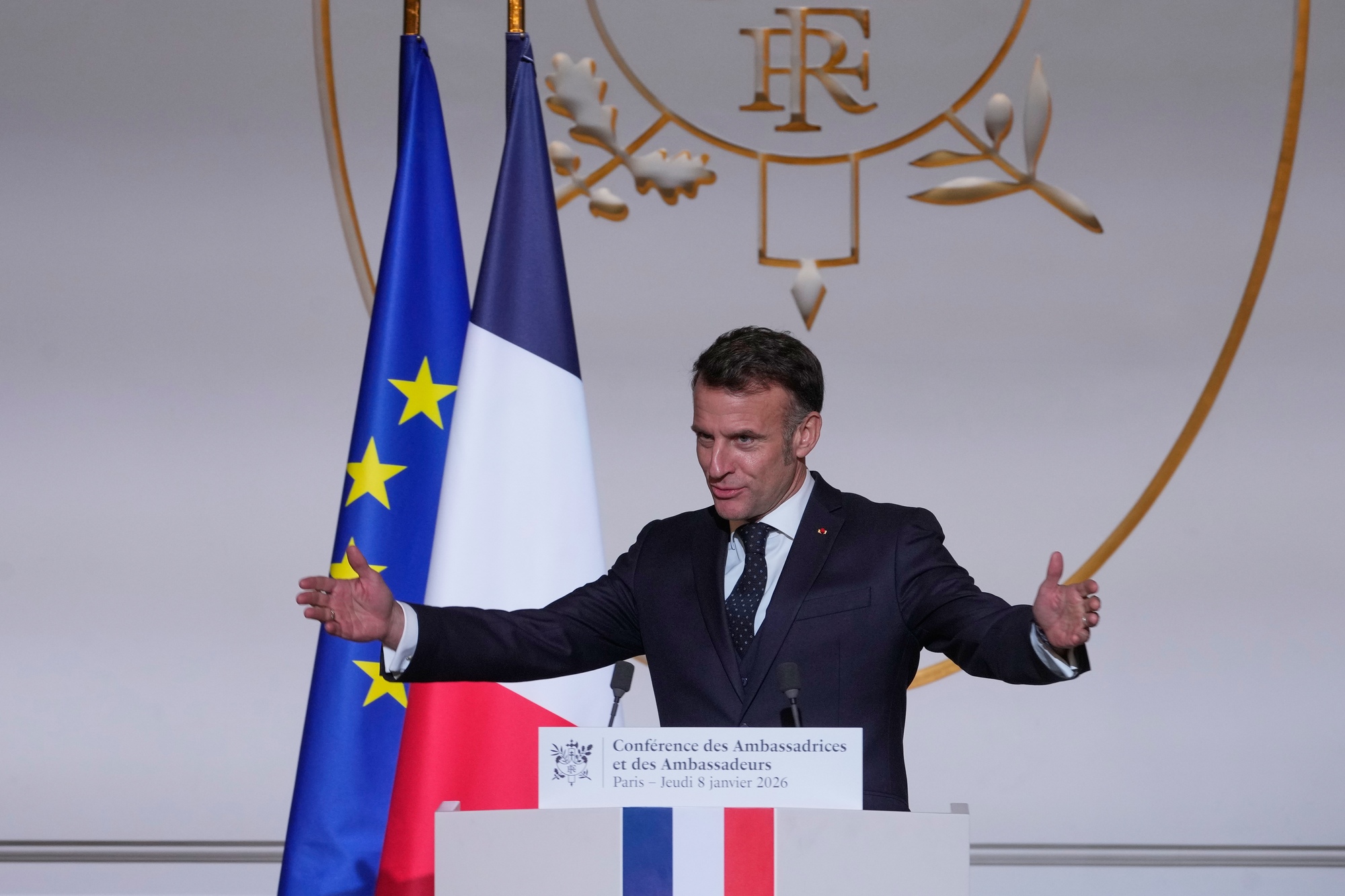
In his annual foreign policy address, President of France Emmanuel Macron criticized the actions of the U.S. administration, Politico reports. According to him, the United States "is gradually turning away from some of its allies and freeing itself from the international rules it previously promoted" — referring to a systemic change in foreign policy that has consequences for all of Europe.
"The United States is an established power that is gradually turning away from some of its allies and freeing itself from the international rules it previously promoted"
— Emmanuel Macron, President of France
"We are evolving in a world of great powers, where there is a real temptation to divide the world. What has happened in recent months, and sometimes in the last few days, does not diminish that assessment"
— Emmanuel Macron, President of France
Context: what it's about
Macron directly linked his criticism to a number of recent events that have called into question the durability of previously established rules — from policy on Venezuela to disputes around Greenland. At the same time, Bloomberg and other outlets noted that the updated U.S. strategy (December 5, 2025) shifts the emphasis in Europe toward a cessation of hostilities in Russia's war against Ukraine, while the document does not formally name the Russian Federation as the aggressor. Analysts point out that a change in focus could create a vacuum in addressing long-term security challenges.
Why this matters for Ukraine
The key question for Kyiv is not rhetoric but the consistency of support. If a partner shifts priorities or demonstrates less willingness to act within established rules, it automatically complicates diplomatic and material capabilities to counter aggression. For Ukraine, what matters are not only statements about a cessation of hostilities but long-term security guarantees, arms deliveries, and sustained sanctions pressure on the aggressor.
At the same time, this opens space for a European initiative: strengthening defense and financial coordination within the EU could partially offset fluctuations in American policy. But Europe is not yet a full replacement for the United States — and this is acknowledged by both European and American experts.
Analytical perspective
According to experts (Politico, Bloomberg, and European security centers), we are dealing with two simultaneous processes: the reorientation of Washington's priorities and growing pressure on the EU to develop its own security strategy. For Ukraine, this means the need to intensify diplomacy on several fronts — with the Office of the U.S. President, Congress, and in Brussels — to transform political declarations into concrete guarantees and contracts.
What next?
Macron's stance is a signal: the allied architecture is being tested, and whether words turn into lasting institutions depends on the partners' actions. For Ukraine, the key task is to ensure that international shifts do not translate into a loss of support on the battlefield and in negotiations. A question for readers and diplomats: will allies manage to turn these warnings into concrete steps for Europe's security and sustained assistance to Ukraine?
Sources: Politico, Bloomberg. Analysis by the authors.