The Oath as a Symbol: Why the Location Matters
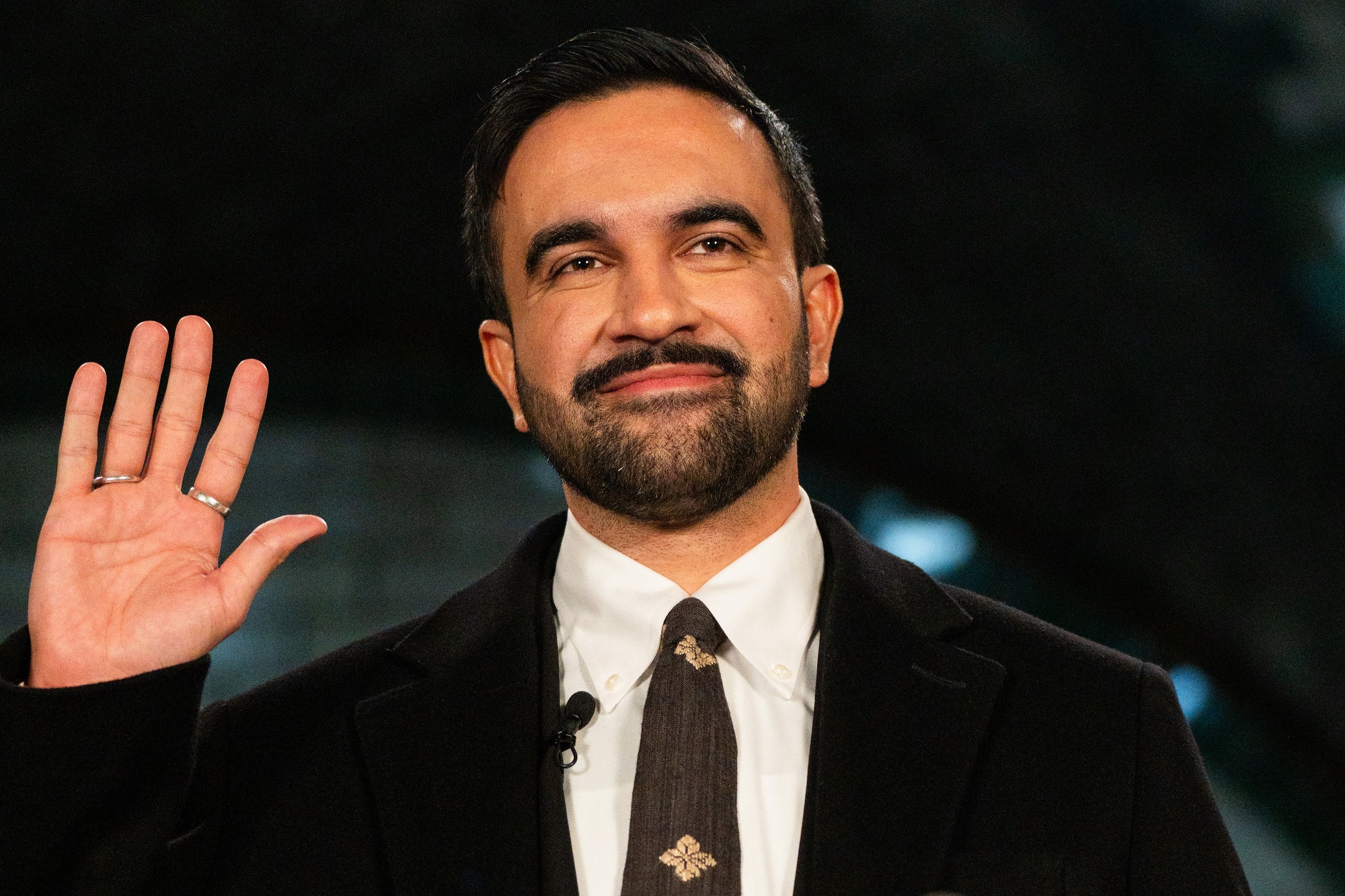
Zoran Mamdani took the oath of office as mayor of New York after midnight at a closed ceremony in an abandoned subway station, reports The Guardian. It was a private celebration for family and close associates — a prelude to a second, public swearing‑in and festivities at City Hall.
The choice of venue was no accident. Mamdani directly linked it to his political agenda: he calls public transit the “lifeblood” of the city, affecting its health, mobility and heritage. That symbolism sends a signal about the new administration’s priorities even before the first staffing decisions and budget proposals.
Religion, Inclusion and the Tradition of the Oath
During the ceremony Mamdani took the oath on the Quran, becoming the first mayor of New York to do so (according to The New York Times). For a diverse city, it is a gesture of representation — and at the same time a test of his ability to build a broad coalition of supporters for day‑to‑day governance.
“By taking the oath as mayor of New York City, I do it here, at the old subway station by City Hall — a testament to the importance of public transit for the vitality, health and heritage of our city.”
— Zoran Mamdani, mayor of New York
Personnel and Challenges: Transit at the Center of Governance
Immediately after the oath, Mamdani announced the appointment of Mike Flynn as transportation commissioner — a figure with experience in urban planning. This is a concrete step that underscores the new mayor’s intent to turn symbolic messages into policy and projects.
Media and analysts note that Mamdani’s victory was decisive, but now he needs to engage the same people who voted for him in the daily work of governance — a task that is harder and less emotional than a campaign (see BBC).
“I would have liked to be there to demonstrate a smooth and peaceful transfer of power.”
— Eric Adams, former mayor of New York
What This Means for the City — and Why Ukrainian Readers Should Pay Attention
First, the signal: city leaders are now placing bets on transit as infrastructure that shapes equal opportunities. Second, it’s a test of integration — how the politician will combine symbolic gestures of inclusion with tangible results for residents.
For the Ukrainian reader this is a useful illustration: in major cities around the world, questions of mobility and representation are often resolved not only through loud speeches, but through appointments, budgets and projects that change everyday life.
Conclusion
The oath at a subway station is a strong opening gesture. But the real test will be whether the new team turns symbols into systemic change: investments in transit, managerial decisions and the ability to negotiate with the city’s diverse communities. The next move is practical — and in the figures in the budget.





