Short and important
The Ukrainian Air Force registered that over the course of a nominal day (18:00 March 23 — 18:00 March 24) the enemy used almost 1,000 strike drones of various types; during daytime alone — more than 550, from 09:00 to 18:00 — 556 UAVs. This is one of the most massive drone attacks since the start of the full-scale invasion.
Where they struck and the consequences
Daytime strikes were territorially dispersed: from Chernihiv and Sumy on the northern border to Poltava, Kyiv, Mykolaiv and Vinnytsia regions and western areas (from Khmelnytskyi to Lviv). At least 15 direct hits were recorded; residential buildings and infrastructure were damaged.
"As of 18:00, air defenses have shot down or suppressed 541 enemy UAVs."
— Air Forces of the Armed Forces of Ukraine
There are human casualties: in Lviv — nearly two dozen injured; in Ivano‑Frankivsk two people were killed. In Vinnytsia region, according to the head of the regional military administration, 13 wounded and one dead; private houses and apartment buildings were damaged.
"In the region, 13 wounded and one dead as a result of the massive attack."
— Natalya Zabolotna, head of the Vinnytsia Regional Military Administration
The State Emergency Service reports strikes on the residential sector in central Zhytomyr — a 12‑year‑old girl was injured; the fire was extinguished, but the consequences for homes and local infrastructure are obvious.
Why Russia is using so many drones
Analysts identify several rationales for such a campaign. First, overloading and exhausting air defenses: large waves of drones force interception resources to be expended and increase the risk of individual units getting through. Second, the tactic of "situational saturation" raises the likelihood of damaging civilian and critical infrastructure at a relatively low cost per strike drone for the attacker. Third, it is testing combined attacks and logistics to identify weak points in the warning and response system.
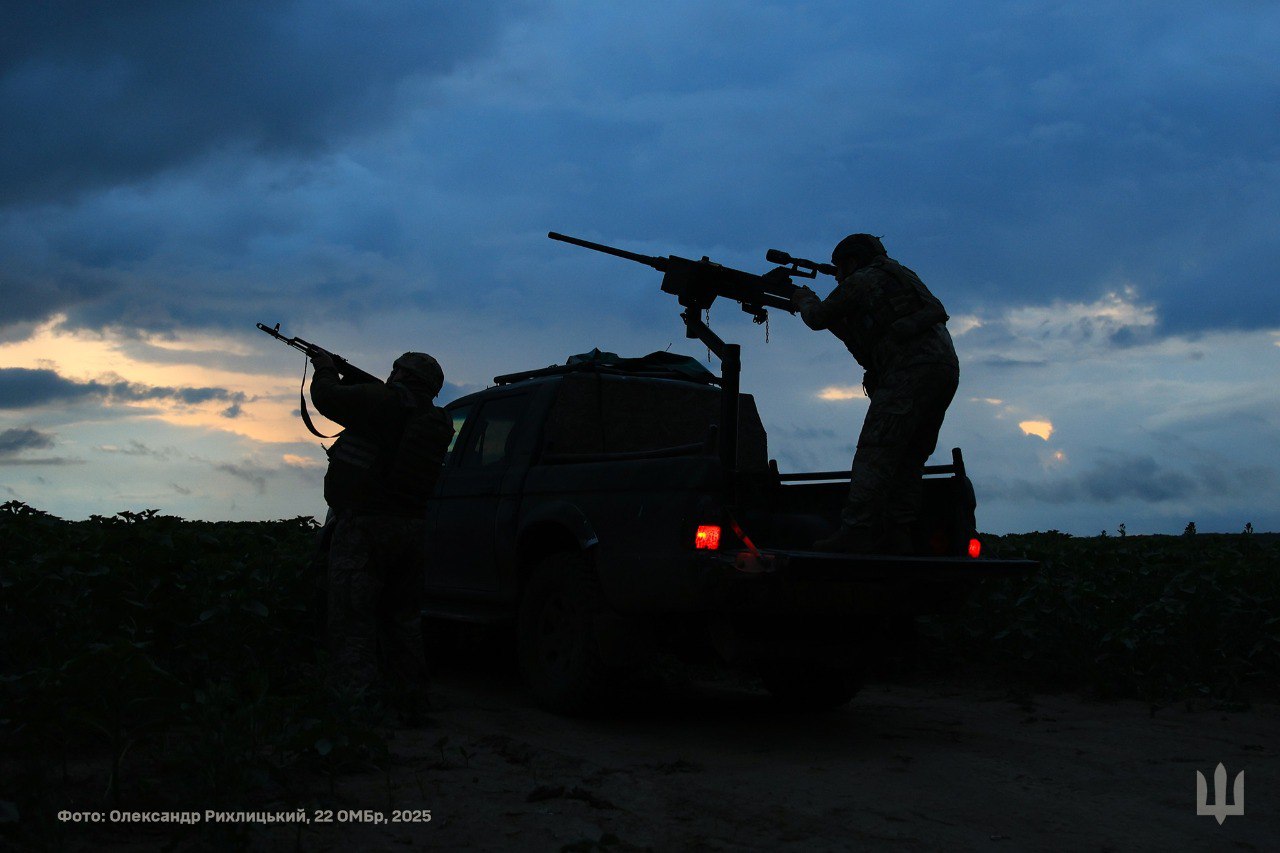
This was also discussed on the LIGA.net podcast, which emphasized that in the event of repeated similar waves, early detection systems, electronic warfare (EW) and mobile air defense units are critically important.
What this means for citizens and what the state should do
For people — an increased risk of attacks on residential neighborhoods, the need for rapid evacuation and shelters, and strengthened public readiness regarding air‑raid alerts. For the economy — the risk of new damage to infrastructure (energy, transport), which will complicate recovery after hostilities.
For protection, three measures are needed simultaneously: strengthening air defenses and EW capabilities, deploying mobile response groups near vulnerable facilities, and accelerated international assistance in equipment for detection and suppression of unmanned threats. Social protection for those affected and housing reconstruction remain local priorities.
Conclusion
This attack is a signal not only about the number of means used, but about a shift in the adversary's approach: mass autonomous strikes and an effort to exhaust our air defense system. The response must be systemic: technical modernization, international cooperation, and clear on‑the‑ground reaction. Now the ball is in the partners' court — words must turn into deliveries and financial support that will genuinely increase defense resilience and citizens' security.





