In high-level diplomacy, clear boundaries matter more than loud statements
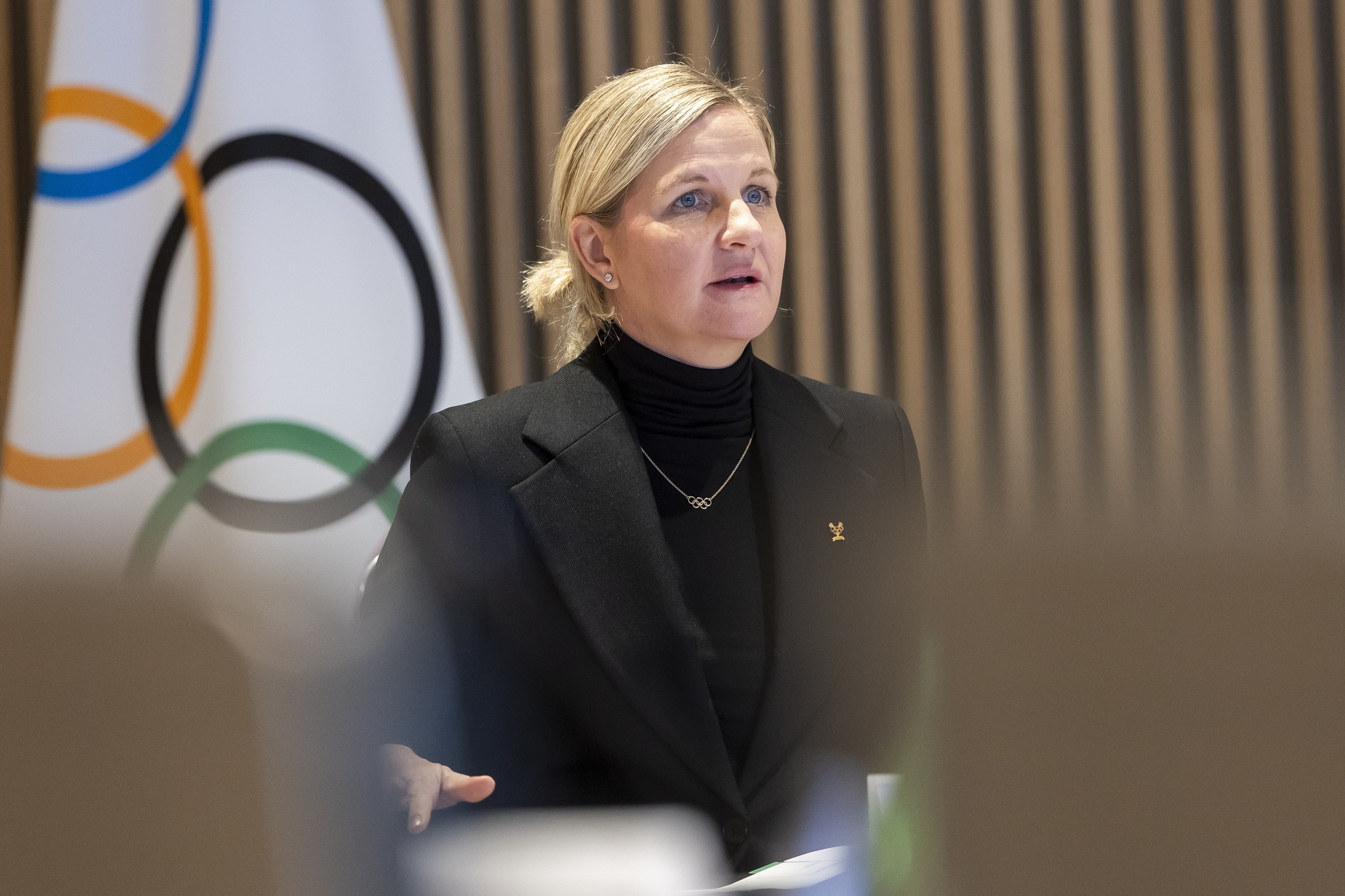
The President of the International Olympic Committee, Kirsty Coventry, said in an interview with Corriere della Sera that Russia will not take part in the 2026 Winter Olympic Games as a national team, even if the conflict between the Russian Federation and Ukraine ends before the Games begin. This decision fixes the IOC's current policy and sets clear conditions for individual athletes.
"At this stage, nothing will change the decision already taken: neutral athletes on an individual basis"
— Kirsty Coventry, President of the IOC (Corriere della Sera)
What exactly has been decided and what the rules are
The IOC retains a format for participation by Russian and Belarusian athletes in a neutral status: no flag, anthem or national symbols; only individual entries are allowed, national teams remain banned. Participation depends on several criteria:
- meeting the competition's qualification requirements;
- absence of public support for the war against Ukraine;
- no ties to military or security forces.
Contexts: diplomacy, sport and security
In November the UN General Assembly adopted a resolution on a truce during the 2026 Olympics — but the IOC emphasizes that policy on athlete status and admission is based not only on declarations but also on internal control and verification criteria. Coventry also noted that "the channel is open" with the Olympic Committees of Russia and Israel, indicating a desire to maintain communication even in times of crisis.
"The channel is open with the Olympic Committees of Russia and Israel"
— Kirsty Coventry, President of the IOC (Corriere della Sera)
Italy, as the host country, publicly called for an "Olympic truce," and Ukraine's Ministry of Foreign Affairs expressed support for this initiative. But it is important to understand: for Ukraine this issue is not only about symbolism — it concerns security, the truth about war crimes, and pressure on the aggressor country through international institutions.
Why this matters to the reader
The IOC decision produces a dual effect: it preserves the possibility of an individual sporting fate for athletes who do not support the war, while at the same time serving as an instrument of international pressure on the Kremlin. For Ukraine, this means that questions of Russia's reputation and accountability remain in the focus of the global community — not only as an emotional response, but as part of a systematic policy of containment.
What next?
The Winter Games will take place 6–22 February 2026 in Italy. The next steps will depend on the verification mechanisms the IOC applies, and on the ability of international institutions to uphold standards of transparency and independence of adjudication. Analysts point out: without effective verification the requirement of no ties to military structures will remain a declaration rather than a barrier.
Summary: the IOC decision sets clear boundaries for the return of Russian athletes to international sport — and these boundaries hold not only sporting logic, but also diplomatic and security context. Will this be enough to change the Kremlin's behavior and protect international institutions from political pressure? The answer will depend on the subsequent actions of the international community and on the real readiness to verify compliance with the conditions.





