Why this matters
The Ministry of Foreign Affairs is launching a large-scale fundraising campaign through its foreign missions — following the example of the Polish initiative. The goal is simple and pragmatic: to quickly direct resources to restoring and supporting power supplies in communities affected by attacks and emergency grid failures. This is not only a humanitarian initiative — it is an element of energy security that reduces the vulnerability of people and critical infrastructure.
What the Poles have done
The platform Pomagam.pl launched the "Warmth for Kyiv" campaign and raised over 40 million hryvnias from nearly 24,000 donors to purchase 100 generators. This is an example of rapid mobilization of public support and technologically simple aid that delivers quick results during the cold season.
How the MFA initiative will work
At the minister's instruction, embassies and consulates will coordinate local collections, information campaigns, and the logistics of delivering equipment to Ukraine. Funds raised are planned to be used to purchase generators, fuel, and other energy equipment; part of the effort will also strengthen international partnerships in supplying equipment and guaranteeing its delivery.
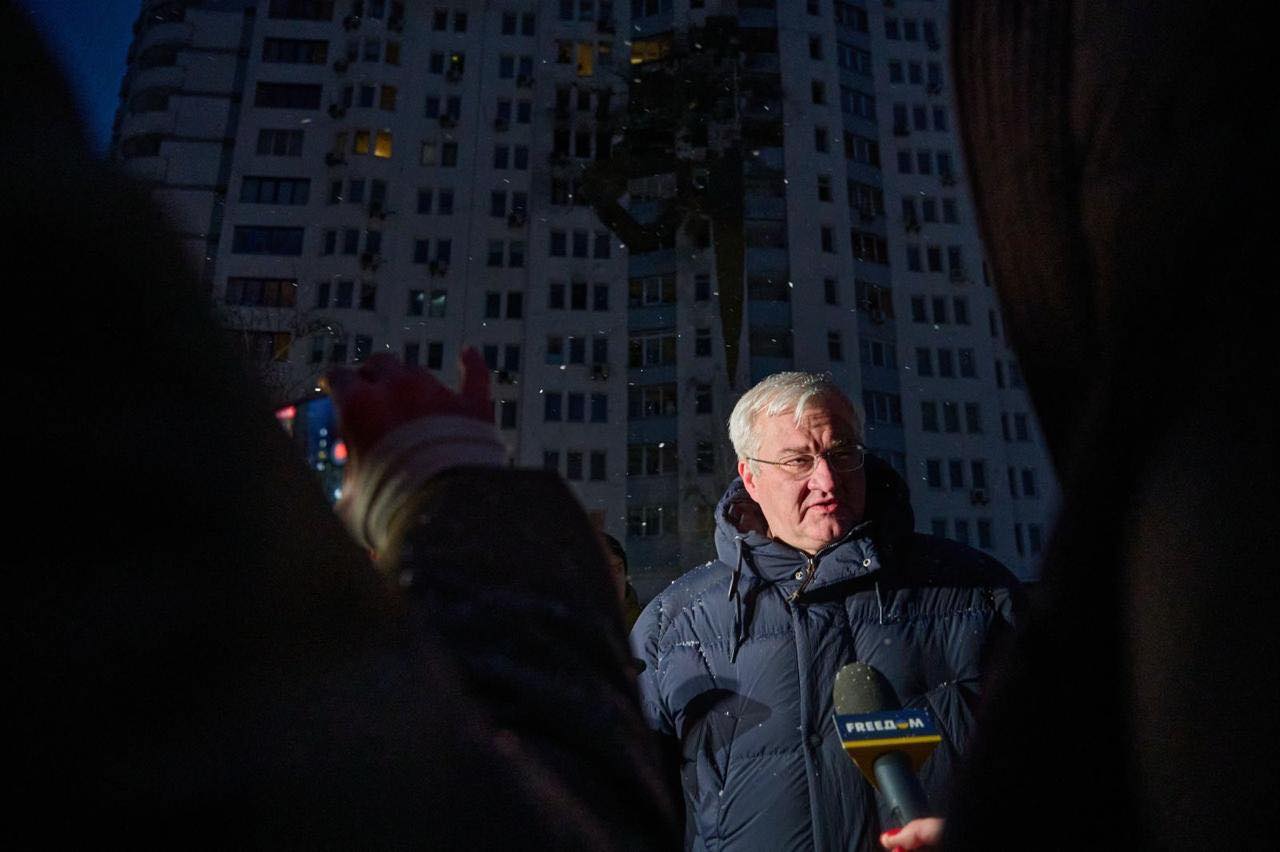
"Today I instructed all our foreign diplomatic missions to initiate urgent fundraising efforts similar to what our Polish friends have carried out recently."
— Andriy Sybiha, Ukraine's Minister of Foreign Affairs
Logistics and risks
The initiative has potential but faces several challenges: procurement standards, customs clearance, safe delivery to areas with damaged infrastructure, and a transparent mechanism for aid distribution. The key task is to ensure that the equipment reaches exactly the places where it changes people’s daily lives.
Context without panic
On January 17 the minister also warned of the threat of strikes on energy infrastructure, including substations near nuclear power plants. Such signals increase the urgency of fast and sensible solutions to protect the civilian population and critical infrastructure.
Conclusion
The MFA initiative is an example of how state channels and civil society can use a proven model for rapid assistance. Going forward, it is important that the collection be turned into clear logistics, transparent reporting, and coordination with local communities. Whether the Polish experience can be scaled to the international level depends on the speed of rollout, partnerships, and discipline in implementation.





