What happened
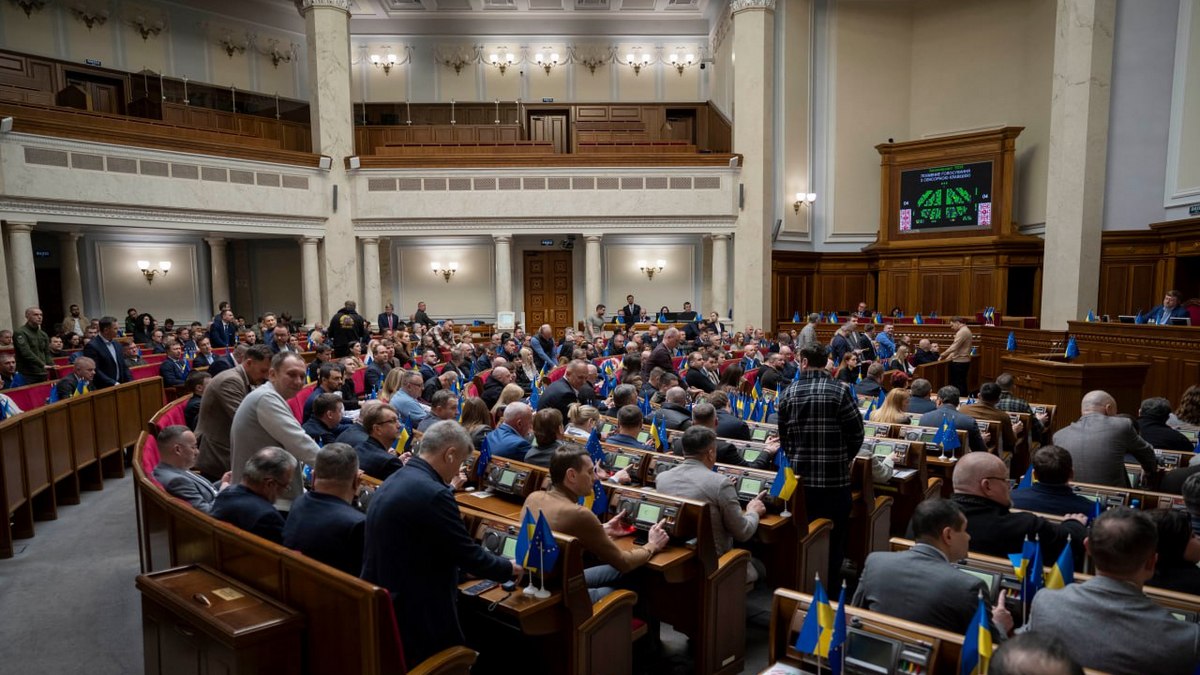
The National Anti-Corruption Bureau (NABU), together with the Specialized Anti-Corruption Prosecutor's Office, conducted an undercover operation and announced the exposure of an organized criminal group that included sitting members of parliament. According to the investigation's version, the participants systematically received illicit benefits in exchange for voting in the Verkhovna Rada.
"The undercover operation made it possible to expose an organized criminal group that operated for the purpose of obtaining illicit benefits in connection with parliamentary activity"
— Press service of the National Anti‑Corruption Bureau of Ukraine
Details already known
According to LIGA.net citing interlocutors, the case concerns MP Anna Skorokhod. According to the publication, law enforcement recorded an episode in which $250,000 was offered to a businessman to assist in initiating sanctions against a competitor company. At present, these details are presented as the investigation's version and as media reports.
"According to LIGA.net's interlocutors, this concerns Anna Skorokhod; investigators recorded an offer to impose sanctions for $250,000"
— LIGA.net (based on the outlet's materials)
Why this matters for the reader
This is not just a criminal story. If politicians receive payment for votes, we face a systemic risk: laws and sanctions that affect security and the economy can be adopted under the influence of the interests of particular groups. For citizens, this means a potential weakening of oversight over authorities and a threat to a fair market.
Moreover, the use of sanctions as a commodity on the market affects Ukraine's reputation with its partners — and this is a matter of national security and investor confidence.
What’s next
NABU has promised to publish details of the investigation. Procedural steps follow: evidence recording, announcement of suspicions, transfer of the case to court. At the same time, political consequences may come faster — from public pressure to demands for tighter controls on parliamentary voting.
Outlook: if guilt is proven, the case could prompt a more thorough review of decision-making mechanisms in the Rada — from open vote registration to the criminalization of new lobbying schemes. If the evidence does not withstand scrutiny, it will undermine trust in anti‑corruption institutions and the media that reported on the case.
What to remember
Corruption in parliament is not an abstract problem: it tangibly affects the country's security and economy. Citizens and international partners have the right to demand transparency of the process and timely public reports from law enforcement. The decisions made today are a test of institutions' ability to restore trust.
We will monitor official NABU statements, court registers, and reactions from parliamentary factions in order to outline the consequences of this case for the state and every citizen.