The essence of the problem
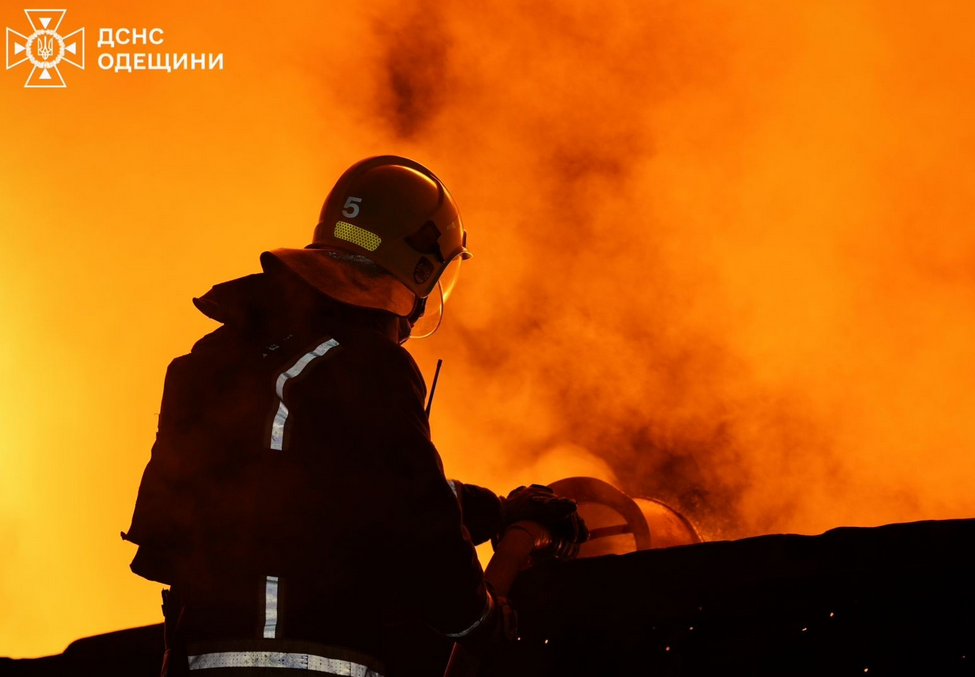
Odesa region and the city of Odesa today require a different approach to building air defense — simple solutions are not enough. In a comment to LIGA.net, former General Staff spokesman Colonel Vladyslav Selezniov emphasized that Russian drones and missiles operate not only as weapons of destruction but also as a tool to blockade Ukrainian logistics.
"Russia's goal is to turn Ukraine as much as possible into a rump state, into a country without access to the sea"
— Vladyslav Selezniov, former spokesman of the General Staff of the Armed Forces of Ukraine
How this affects security
Drone and missile attacks have two aims: to destroy infrastructure and to complicate the movement of forces and cargo along the coast. If airspace cover is weak, the adversary gains an effective tool for undermining defensive logistics — a scenario that roughly replicates the effect of a landing operation without an actual landing.
Why delays occurred
According to Selezniov and interlocutors of LIGA.net, the "drone air defense" project in the region was slowed not only by a shortage of personnel but also by internal disagreements between commands. In particular, negotiations lasted several months between the commander of the Marine Corps, Dmytro Delyatitsky, and the commander of the Navy, Oleksiy Neizhpapa, over assigning personnel to the project.
"Combat orders to transfer personnel were not signed for about two months. Eventually the people were released, but the delay increased preparation time"
— an officer involved in implementing the project (interlocutor for LIGA.net)
The two-month delay is not just an administrative inconvenience, but a real increase in the region's vulnerability during episodic attacks on power and infrastructure.
What is lacking and what needs to be done
Replacing the head of Air Command "South" by itself does not solve systemic problems. In the experts' view, a complete reformatting of approaches is needed: from clear procedures for transferring personnel to a large-scale buildup of mobile fire groups and units operating anti-aircraft drones. That means not only personnel decisions, but resources, training, and rapid decision-making procedures.
In fact, the discussion needs to move from declarations to concrete contracts, timelines, and accountability — both within the Armed Forces of Ukraine and in cooperation with partners who supply equipment and training.
Conclusion
The situation is difficult but clear: weak coverage of the coast is the result of both a lack of resources and organizational mistakes. Now the solutions must be pragmatic and measurable. The question for command and partners: will statements about protecting Odesa region turn into concrete steps that close this vulnerable vector?