Briefly — the gist
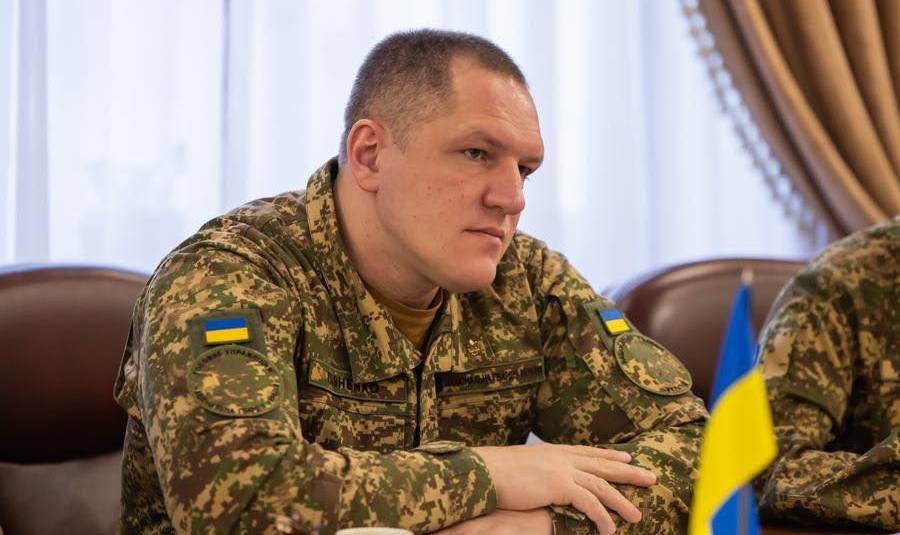
In an interview with hromadske, National Guard commander Oleksandr Pivnenko confirmed: Defense Forces units are being built up for "certain counter-assault actions" in the Pokrovsk and Myrnohrad area. This is not an impulsive decision but a deliberate preparation — aimed at limiting the enemy's maneuvers and creating conditions for its attrition.
"We are amassing our units for certain counter-assault actions. ... But because of the current weather conditions, there's constant fog there, the enemy is infiltrating, it's very difficult to work against them"
— Oleksandr Pivnenko, commander of the National Guard (interview with hromadske)
What factors are slowing the operation
Weather conditions. Persistent fog complicates target identification and drone operations — therefore the volume of intelligence decreases and the effectiveness of strikes against the enemy declines. This is not just discomfort: the loss of the operational picture poses a real risk to safe advances.
Limited drone operations. Pivnenko said this directly — without active reconnaissance it is harder to detect infiltration groups and to adjust fire. The consequence: tactical operations require a greater concentration of forces and more time.
Who is involved
According to Pivnenko, the direction involves the Unmanned Systems Forces, the National Guard, the SBU, the Special Operations Forces and GUR. This is integrated work of reconnaissance and strike capabilities — a sign of a systematic approach, not chaotic attempts.
"The Defense Forces control the northern part of Pokrovsk. Russian attempts to push our defense north of the railway have been unsuccessful"
— 7th Air Assault Corps, statement as of the morning of December 28
Enemy strength and the operational picture
Earlier the Air Assault Forces reported about ~300 Russians in Pokrovsk in mid-November; the president on December 22 spoke of over 1,000 in Pokrovsk and up to 100 in Kupiansk. Pivnenko noted that the number of occupiers has increased, but he did not give exact figures — that is a matter for intelligence and the General Staff.
Important context from the Air Assault Forces' general: the enemy often "shoves in infantry" rather than optimally using reserves. This points to a potential opportunity for our forces: if intelligence confirms locally vulnerable sections, the amassed units could inflict painful blows on the enemy's infantry component.
What this means for the region and next steps
The buildup of forces is a signal of preparation for decisive but calculated actions. The tempo of the operation will be determined by three things: the quality of intelligence, the weather, and logistics readiness. If the fog lifts and drones regain control of the sector — a counter-assault could gain a strategic advantage.
For civilians this means increased activity at the frontline and possibly local displacements. For our partners — another marker that the Ukrainian side is preparing an operation based on coordination between intelligence and strike forces.
Outlook
The concentration of units alone does not guarantee an immediate breakthrough, but it creates the prerequisites. The next step is quality intelligence data and favorable weather conditions. If these elements converge, the buildup could turn into local tactical successes with a tangible impact on the occupiers.
Now it's up to the General Staff and the intelligence services: will they be able to synchronize the buildup of forces with a window of weather and intelligence advantage?





